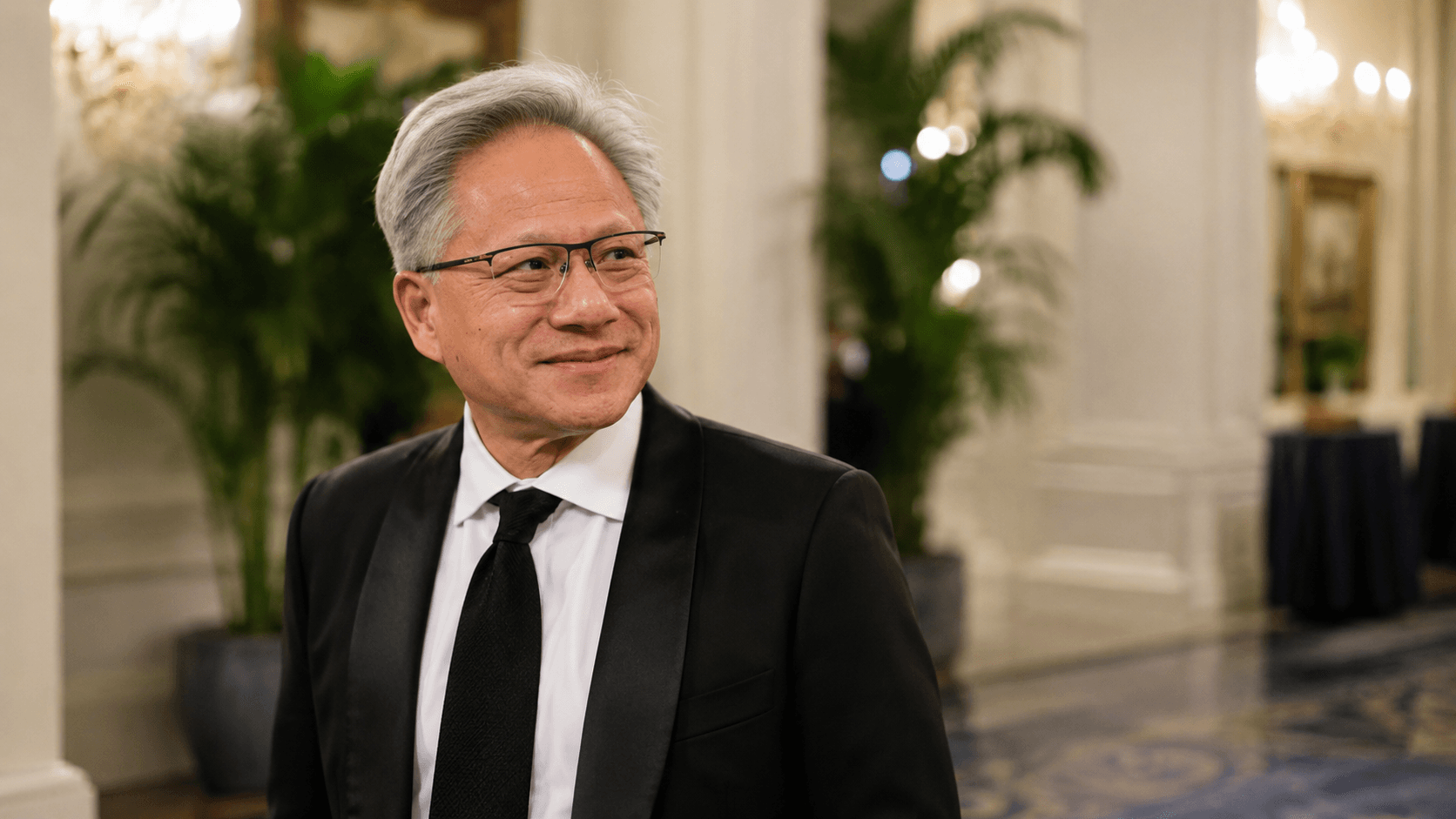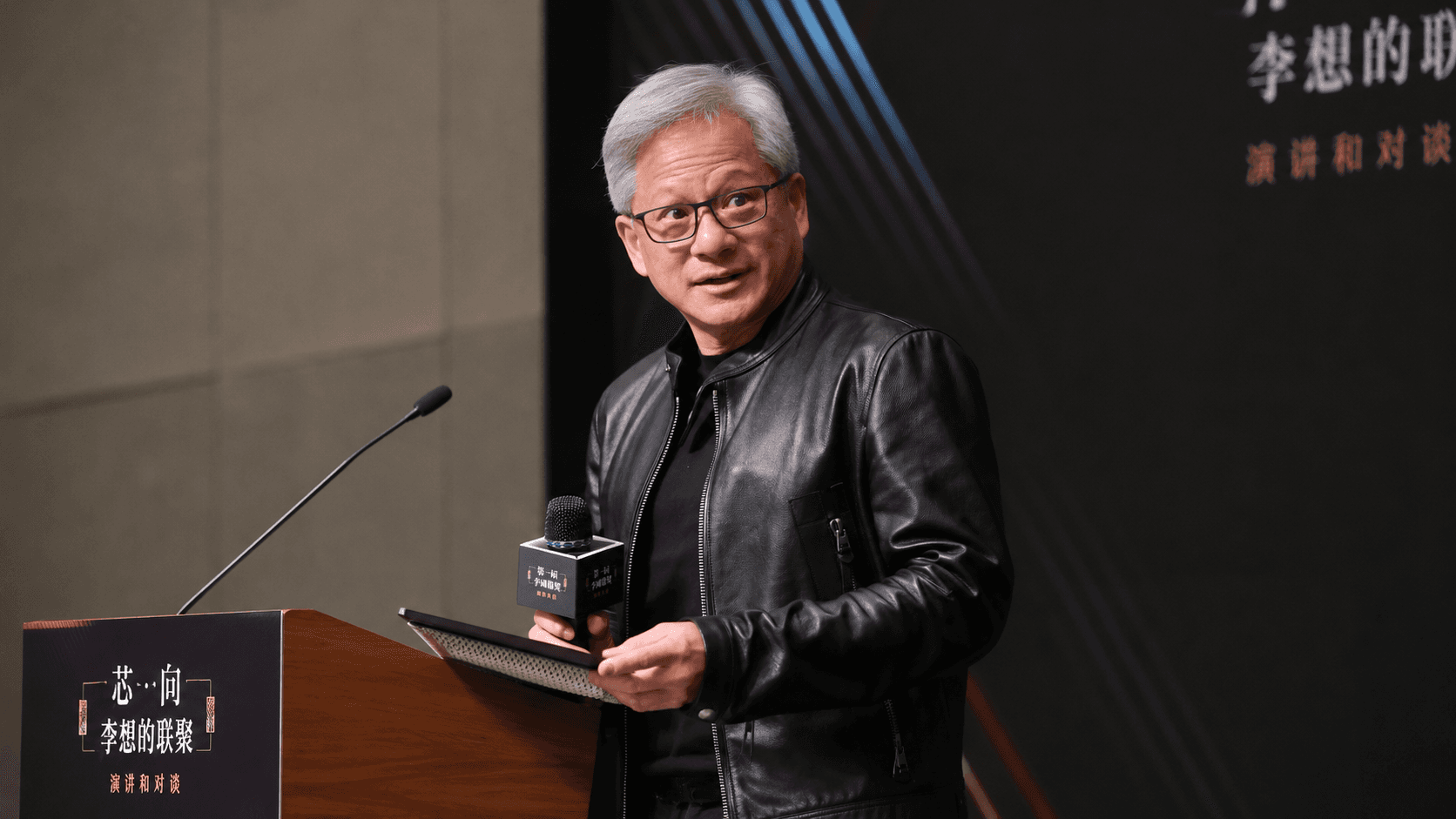
Nvidia and the Korea Advanced Institute of Science and Technology opened a joint AI research lab in Seoul on July 23, 2026, dedicated to agentic AI and positioned as the first partnership of its kind between a Korean university and a global technology company. The announcement landed during the AI Summit in San Francisco, where South Korean President Jae Myung Lee is meeting with Nvidia CEO Jensen Huang alongside Korean and US business leaders. The lab will sit inside the KAIST Kim Jaechul Graduate School of AI.
The collaboration pairs KAIST's research faculty with Nvidia's full-stack AI resources, including the NVIDIA Nemotron open model family and compute from NVIDIA AI Cloud partners. Agentic AI — systems that plan and execute multi-step tasks rather than answering single prompts — is the stated research focus, aligning the lab with the direction the largest US labs have taken over the past year.
The Seoul lab builds on Huang's visit to Korea in June 2026, when Nvidia and SK Group announced an expanded partnership to co-develop memory for Nvidia platforms spanning AI infrastructure, personal AI and physical AI. SK Telecom separately committed in June to build AI infrastructure aimed at Korean physical AI, robotics and adjacent domains. Together, the moves outline a national-scale buildout rather than a single product deal.
Key facts
- 01Nvidia and KAIST opened a joint AI research lab at the Kim Jaechul Graduate School of AI in Seoul on July 23, 2026, focused on agentic AI.
- 02The lab is the first between a Korean university and any global technology company, per Nvidia.
- 03SK Group and Nvidia announced an expanded memory co-development deal in June 2026 spanning AI infrastructure, personal AI and physical AI.
- 04Nvidia GTC Berlin runs October 20-22, with registration now open.
On the eve of the summit, Huang hosted SK Group Chairman Chey Tae-won and executives from SK hynix and SK Telecom for dinner in Woodside, California. The SK-Nvidia relationship runs through memory: SK hynix supplies high-bandwidth memory for Nvidia's data-center GPUs, and the expanded June agreement extends that supply relationship into new device categories that Nvidia is now targeting beyond the data center.
KAIST is one of Asia's most established science and engineering universities, and its Kim Jaechul Graduate School of AI has produced a steady stream of researchers into both domestic Korean firms and US labs. Placing an Nvidia-branded research operation directly inside that school gives the company early access to graduates and to research output at a moment when talent is the constraint on frontier AI development, not capital.
The framing from Seoul is that Korea intends to be a producer of AI systems, not just a consumer. The country already dominates one leg of the AI supply chain through SK hynix and Samsung's memory businesses, and the KAIST lab plus the SK Telecom infrastructure plans extend that base into models and deployed applications. Agentic AI, physical AI and robotics are the three vectors that Korean firms and the government have publicly emphasized.
For Nvidia, the arrangement is consistent with a pattern of embedding directly with national champions and top research universities in strategic markets. The company has struck comparable infrastructure and research deals in Japan, the UK, Germany and Saudi Arabia over the past 18 months, tying local compute buildouts to Nvidia hardware and its CUDA software stack. Each deal locks in the Nvidia platform at the sovereign-AI layer before local alternatives can gain traction.
Nvidia GTC Berlin, the company's European developer conference, runs October 20-22 and will likely feature additional partnership announcements along the same template. Registration opened alongside the Korea news. The cadence — a national leader visit, a university lab, a memory co-development expansion, then a conference readout — has become a repeatable playbook.
Skeptics of the sovereign-AI wave note that many of these announcements are heavier on framing than on committed capital, and that the actual research output from vendor-branded university labs varies widely. KAIST has the faculty depth to produce genuine work, but the lab's success will be measured over years, not at the ribbon-cutting. The Nemotron models Nvidia is contributing are also open-weight releases already available to any researcher, so the exclusive value comes from compute access and joint programs rather than model IP.
The Korea deal is a marker of how AI industrial policy is now being negotiated country by country, with Nvidia as the counterparty in almost every conversation. Memory supply, GPU allocation, university research pipelines and national compute clouds are being bundled into single relationships, which gives Nvidia leverage well beyond selling chips. The competitive question for AMD, the hyperscalers building custom silicon, and any future Korean domestic accelerator effort is whether they can offer a comparable full-stack package before these sovereign-AI relationships harden into defaults.

Working on something we should cover, or seeing a story we missed? Send leads, documents, or feedback to hello@aichatdaily.com. For sensitive tips, see our secure tips page for Signal and PGP options.
Spotted an error? Email hello@aichatdaily.com with the URL and the issue, or read our full corrections policy.