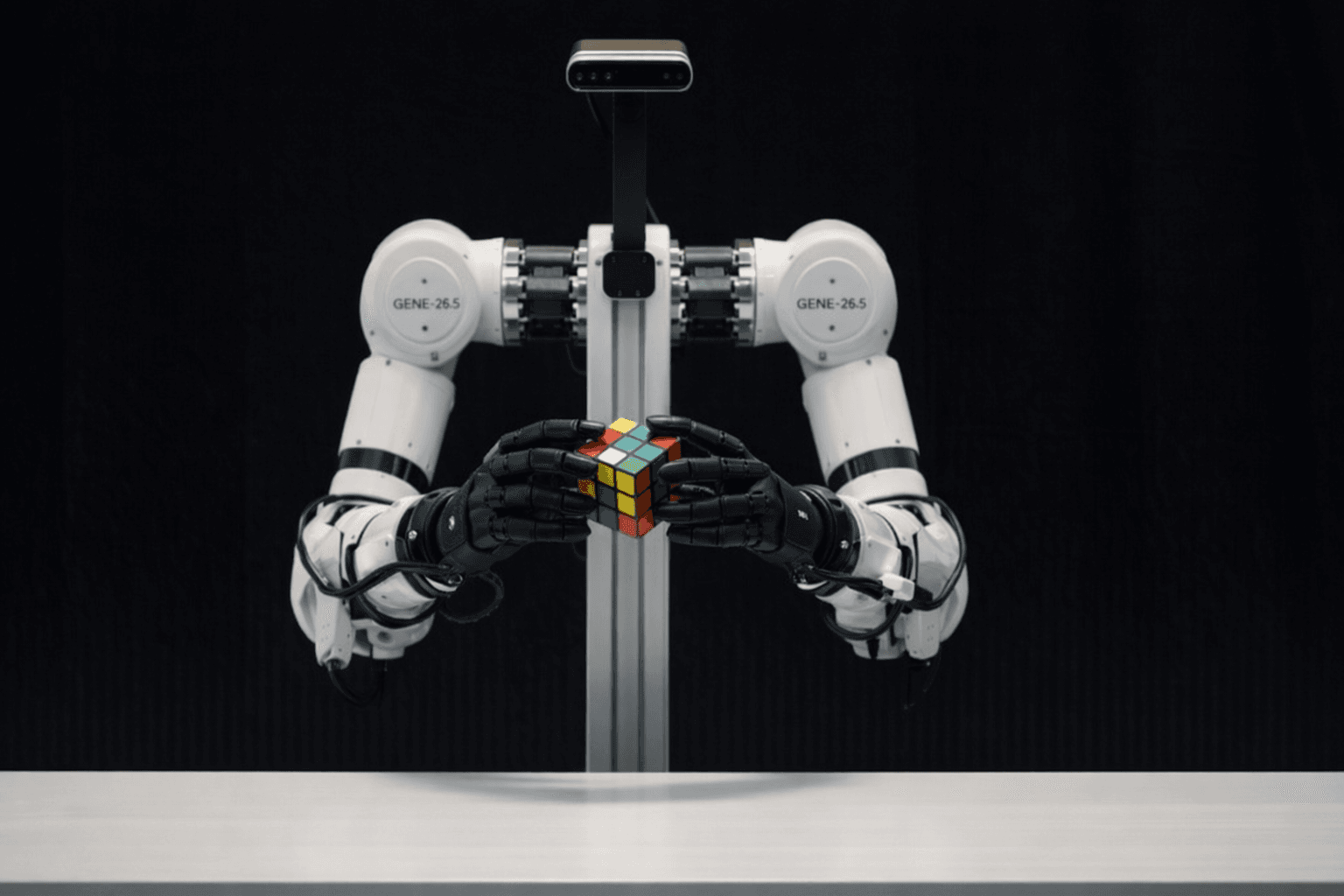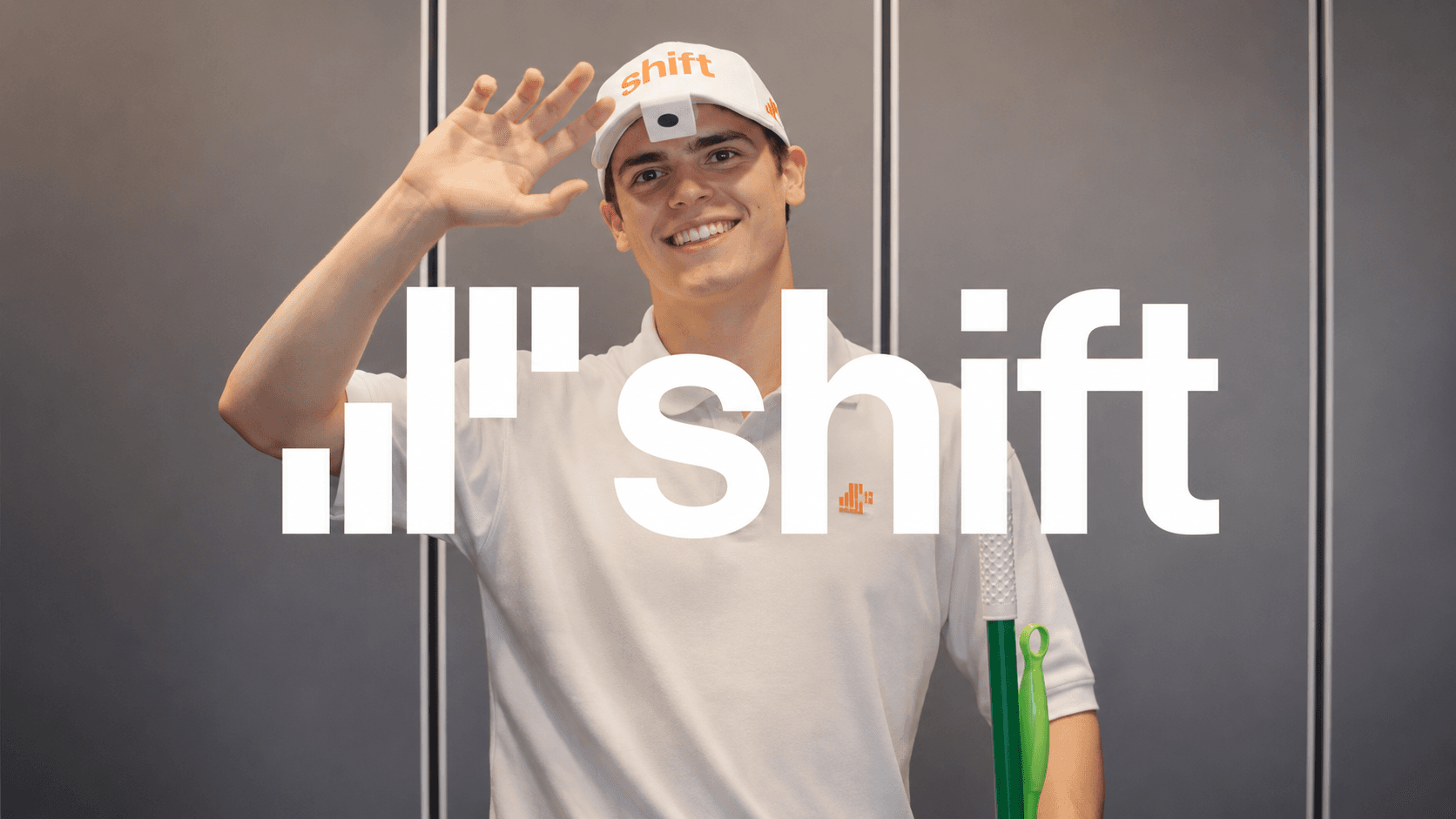
Robotics startups are paying households for video of people doing chores, with Shift offering free home cleanings in New York in exchange for footage of its cleaners scrubbing dishes, wiping counters, dusting tables, and mopping floors. The company plans to expand to other cities including London, and says it has already paid tens of thousands of people across 15 countries to record domestic activities through its app. The pitch is simple: trade footage for a clean apartment now, and a robot eventually does the work for you.
The data scramble is happening because physical AI does not have an internet to scrape. Text, images, and video for chatbots and image generators could be pulled at industrial scale, often without compensation. Footage of someone folding laundry in their own kitchen cannot. That gap has turned high-quality, first-person video of real domestic labor into one of the most valuable inputs in the AI supply chain.
Shift is not alone. In India, home services platform Pronto has been using customers' homes as a source of training footage for cooking, cleaning, and laundry, recording only when clients explicitly opt in. The disclosure prompted backlash, with rival startups publicly insisting they have never recorded inside homes and have no plans to. What Pronto customers receive in return beyond a copy of the footage is unclear.
Key facts
- 01Shift says it has paid tens of thousands of people across 15 countries to record domestic activities through its app.
- 02Shift is currently offering free home cleanings in New York in exchange for video of cleaners scrubbing dishes, wiping counters, and mopping floors.
- 03India-based home services platform Pronto has been recording inside customers' homes — with opt-in — to capture footage of cooking, cleaning, and laundry.
- 04Silicon Valley-based Human Archive pays gig workers to record first-person footage using camera-equipped hats.
- 05Shift announced plans to expand from New York into other cities including London.
Silicon Valley-based Human Archive is taking a different approach, partnering with services companies and paying gig workers to record their activities using camera-equipped hats. The hats capture footage from the wearer's point of view — the egocentric perspective robotics models need to learn how a human navigates a kitchen, reaches for a cup, or steps around furniture. It is the kind of data that essentially does not exist on YouTube at usable scale.
Other operators are skipping the pretense of useful work entirely. Workers are paid to repeat the same physical tasks — folding towels, picking up cups, carrying boxes — in front of cameras and sensors, generating staged training sets where every movement is captured cleanly. The economics work because the resulting data is more consistent than anything scraped from in-the-wild footage, even if the tasks themselves produce nothing of value.
A fourth source is the robots themselves. Companies are shipping early home and commercial robots well before the underlying models can reliably operate without human intervention, then using footage from customer deployments to improve the next generation. When the robots get stuck, remote workers step in to teleoperate — and that intervention data flows back into training as well.
Trading data for a service is not new. Loyalty cards, cookies, dashcams, insurance telematics apps, and ad-supported smart TVs have all normalized the exchange of personal data for discounts or convenience. The novelty here is the type of data being purchased: high-resolution, first-person video of the inside of homes, captured by paid workers performing intimate domestic tasks, owned by startups whose customers have never set foot in the house.
Robotics has been promising household automation for a decade, and the gap between demo videos and shipped products has not closed as fast as the funding rounds suggest. The bottleneck is no longer compute or model architecture in the way it was for language models — it is the absence of a scraped-internet-scale dataset of human bodies operating in physical space. Until that dataset exists, every folded towel and wiped counter has commercial value.
The privacy questions are obvious and largely unresolved. Footage captured inside a home shows not just the person doing the chores but their belongings, their family members, their mail, and the layout of their space. Pronto's opt-in model and Shift's paid-recruit model both put consent on the table, but neither addresses what happens to the footage once it is inside a model, or how customers would know if their data ended up training a competitor's product after a licensing deal.
The scramble for chore footage marks the point at which AI's training-data economy stops being an abstraction about copyright and starts looking like a labor market for the most ordinary parts of daily life. Whoever assembles the largest, cleanest library of first-person physical-world data will likely own the foundation layer for home robotics — and that is a more defensible moat than any single model architecture. Expect the going rate for letting a hat-cam record you making dinner to keep rising until someone ships a robot that actually works.

Working on something we should cover, or seeing a story we missed? Send leads, documents, or feedback to hello@aichatdaily.com. For sensitive tips, see our secure tips page for Signal and PGP options.
Spotted an error? Email hello@aichatdaily.com with the URL and the issue, or read our full corrections policy.