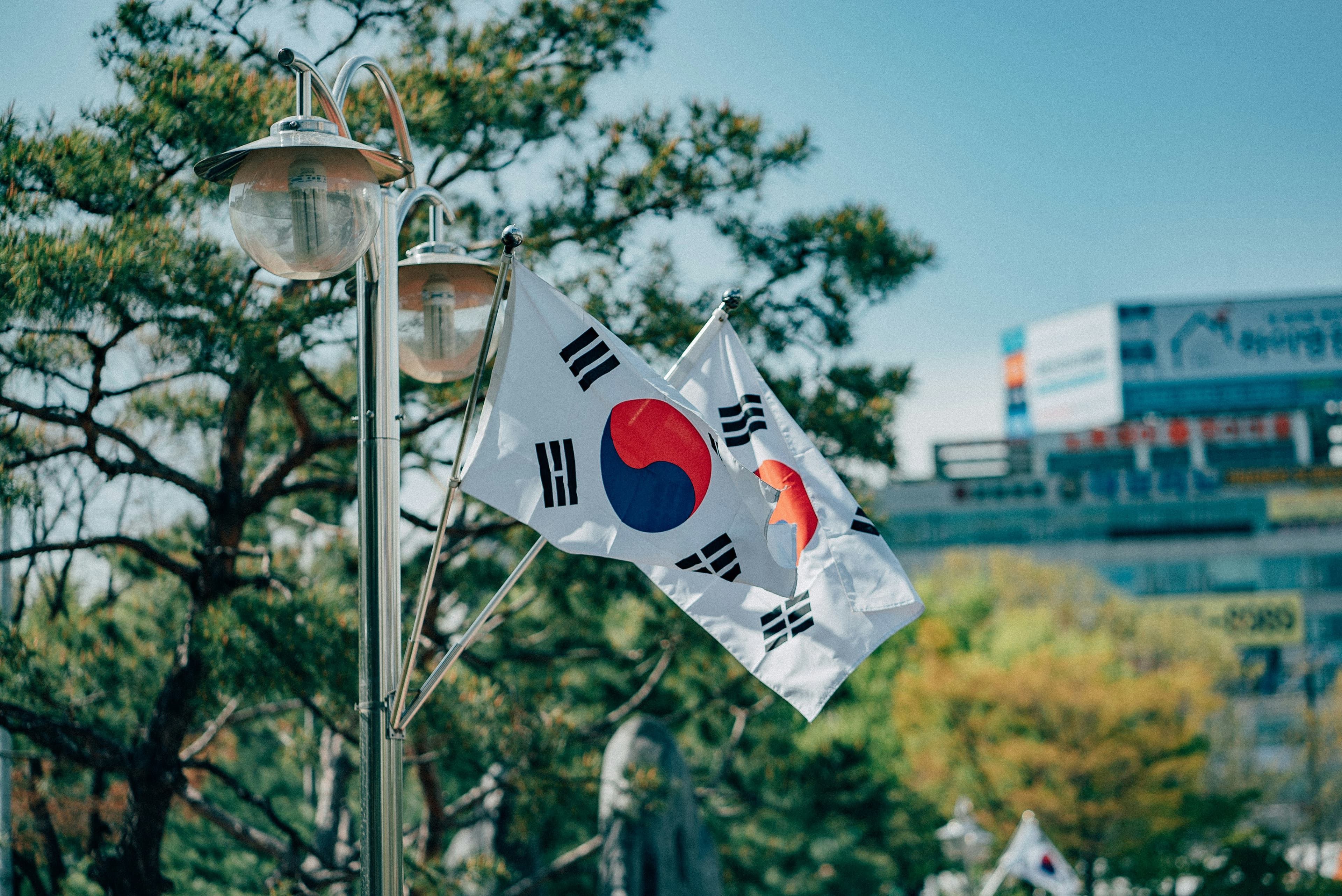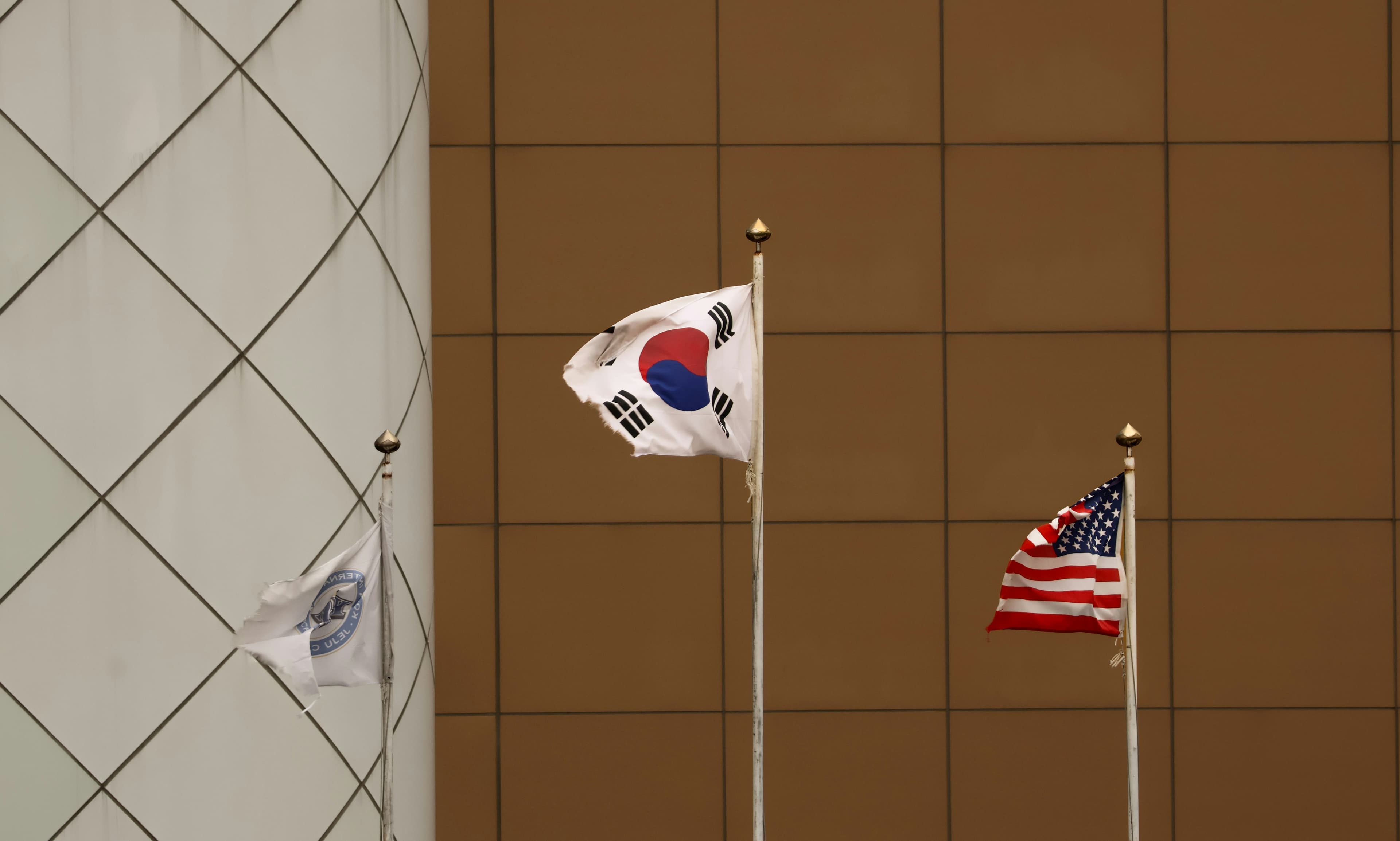
South Korean President Lee Jae-myung hosted a summit with senior US technology executives in Seoul, calling on both countries to open what he described as a new era of AI cooperation. The gathering placed Korea's political leadership in direct conversation with the American firms building the models, chips, and cloud infrastructure that Korean industry increasingly depends on. Lee used the platform to pitch Seoul as an anchor point for AI investment in Asia, not a downstream buyer.
The summit lands at a moment when Korea's largest industrial names — Samsung, SK Hynix, Hyundai, LG — are all recalibrating around AI, and when American firms are aggressively contracting with them for memory, foundry capacity, and manufacturing partnerships. Lee's message to the visiting executives was that policy in Seoul will move to support that alignment rather than obstruct it. He framed AI as a national industrial priority on par with semiconductors themselves.
The event follows a string of high-profile US-Korea AI deals announced in recent weeks. Nvidia has expanded its footprint across the peninsula, including a joint AI lab with KAIST and deepening ties with Samsung and SK Group on both HBM supply and sovereign-scale compute buildouts. American cloud providers have separately been in talks with Korean conglomerates about data center capacity denominated in gigawatts rather than megawatts.
Key facts
- 01South Korean President Lee Jae-myung convened a summit with US technology executives in Seoul focused on AI cooperation.
- 02Lee framed the gathering as the start of a new AI era for Korea, tying it to industrial policy priorities.
- 03The summit follows a wave of US chip and cloud deals landing in Korea, including Nvidia's expanding presence with Samsung, SK Hynix, and KAIST.
- 04Seoul is positioning itself as a bridge between US model developers and Asian hardware manufacturing capacity.
Lee's framing — a new AI era — is a deliberate signal to both domestic industry and to Washington. To Korean firms, it says the administration will not stand in the way of aggressive AI capex. To American partners, it says Korea intends to be a first-tier ally in the AI supply chain rather than a hedge. Seoul is watching Tokyo's parallel courtship of US AI firms and does not want to lose the regional anchor role.
The competitive backdrop is China. Korean semiconductor firms sell into both markets, and Korean policymakers have been navigating US export controls on advanced chips destined for Chinese customers. A summit built around US AI cooperation is, implicitly, a statement about which side of that line Seoul is landing on for the next cycle of AI infrastructure.
The domestic economics are also load-bearing. Korea's chaebol have committed enormous capital to AI-adjacent manufacturing — HBM fabs, advanced packaging, custom silicon partnerships — and those investments only clear if the demand signal from American model developers stays strong. A political summit that pairs Korean leadership with US buyers is, in effect, a demand-side reassurance for boards approving multi-year capex.
Notably absent from public readouts is any concrete regulatory framework. Lee spoke in terms of cooperation and era-defining ambition rather than announcing a bilateral AI accord, safety framework, or export-control carve-out. That leaves the operational details — what Korean data can train what US models, what Korean chips can ship to which customers — to be worked out later.
Skeptics of the summit format will note that photo-op diplomacy has a mixed record of translating into durable policy. Korea's previous industrial-policy pushes into biotech, gaming, and content have produced uneven returns, and the AI buildout requires sustained energy, water, and grid commitments that a single summit cannot resolve. Local opposition to large data center siting is also a live issue in several Korean municipalities.
For US firms, though, the value of the summit is less about announcements and more about access. Direct engagement with a sitting Korean president shortens the political runway for the kinds of long-lead investments — fabs, data centers, joint labs — that require government cooperation on land, power, and permitting. That access is what the visiting executives were there to collect.
The bet Seoul is making is that AI infrastructure is the next semiconductor cycle, and that the country that hosted the last one has a natural claim on the next. Whether Korea can convert its manufacturing depth into a genuine seat at the AI table — as a model builder, not just a hardware supplier — will depend on whether the capital and policy follow the rhetoric. Lee's summit was the opening move; the next twelve months of chip contracts, data center approvals, and model partnerships will show whether the era he described actually arrives.

Working on something we should cover, or seeing a story we missed? Send leads, documents, or feedback to hello@aichatdaily.com. For sensitive tips, see our secure tips page for Signal and PGP options.
Spotted an error? Email hello@aichatdaily.com with the URL and the issue, or read our full corrections policy.