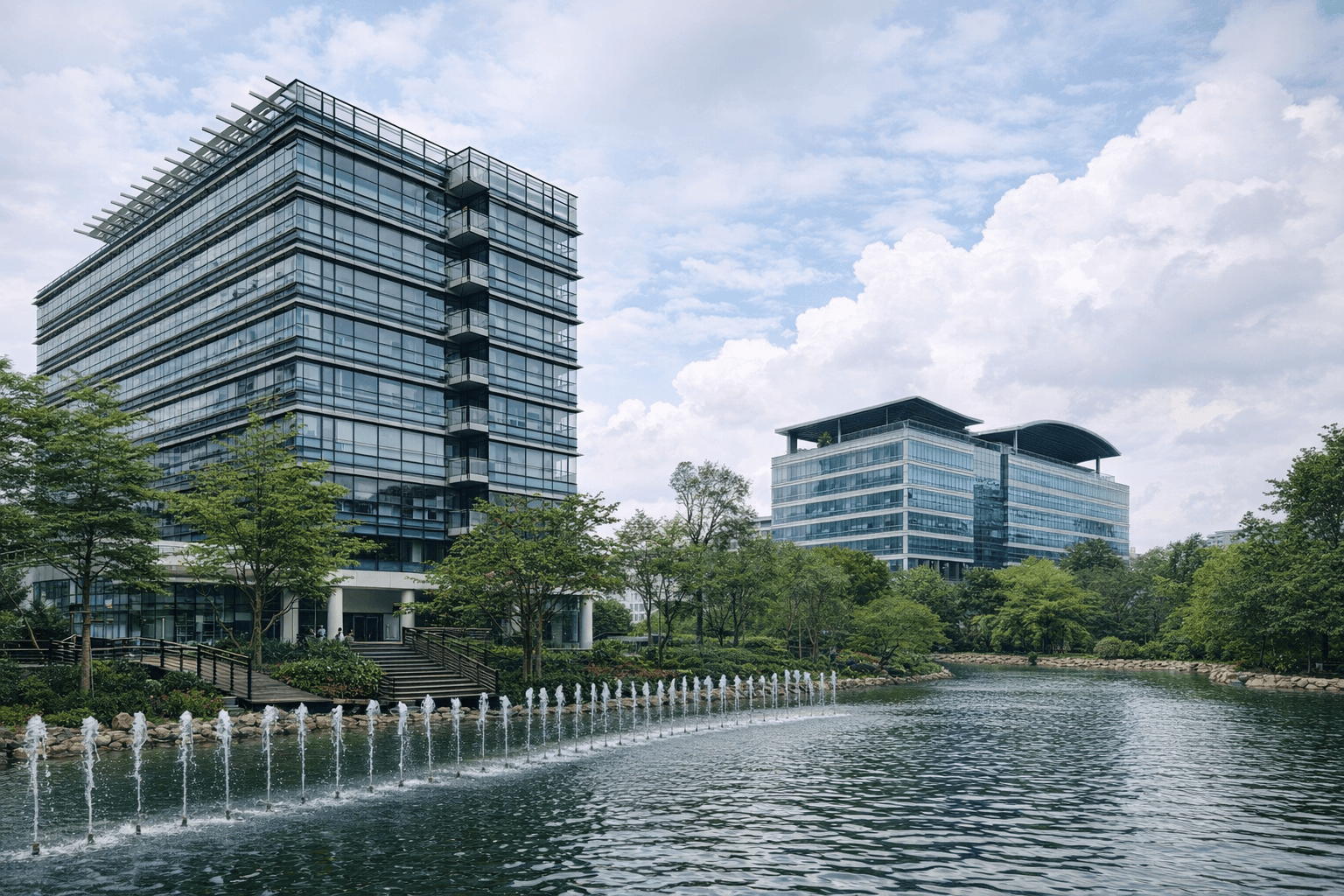
Station F, the 538,000-square-foot Paris startup hub founded by Xavier Niel, is opening the second cohort of its F/ai accelerator in September 2026, six months after the program's January launch. The first batch of 20 AI startups collectively raised $34 million in pre-seed funding, and F/ai is now targeting €1 million (about $1.14 million) in revenue per startup within six months of the program's start.
The pitch is straightforward: European AI founders shouldn't need to fly to San Francisco to reach the people writing the checks or shipping the models. Station F has spent the past year assembling a partner roster that reads like the org chart of the AI industry — AMD, Anthropic, AWS, Clay, Google, G42, Hugging Face, Lovable, Meta, Microsoft, Mistral AI, OpenAI, OVHcloud, Snowflake, and Qualcomm backed the first cohort. Eleven Labs, Nebius, Rippling, OpenRouter, HubSpot, and GitHub are joining for the second.
Station F director Roxanne Varza told TechCrunch the program was designed to compress the distance between European founders and the AI infrastructure providers, model labs, and go-to-market tools they need on day one. The hub has been taking equity stakes in its Future 40 selection since 2022, giving it direct financial exposure to the AI wave running through its 1,000-company-a-year footprint.
“The goal was to bring together all the major players and make it much easier for [AI] startups looking to launch in Europe to connect with them”— Roxanne Varza, Station F director
Key facts
- 01Station F's first F/ai cohort of 20 AI startups collectively raised $34 million in pre-seed funding.
- 0280% of the first-cohort founders were repeat entrepreneurs and a third hold PhDs.
- 03F/ai targets €1 million (about $1.14 million) in revenue per startup within six months.
- 04The second cohort starts September 2026 and adds Eleven Labs, Nebius, Rippling, OpenRouter, HubSpot, and GitHub as partners.
- 05Station F spans 538,000 square feet and welcomes roughly 1,000 companies a year across 30 programs.
The first cohort's early wins are the kind of proof points Station F needs to keep the flywheel going. Alpic won the global grand finale of The Pitch, Deel's startup competition. Rippletide won the OpenAI Codex Hackathon. Both outcomes travel further in a founder's fundraising deck than any accelerator's own marketing.
Founder quality in the first batch skewed sharply toward experience: 80% of the 20 companies were started by repeat entrepreneurs, and roughly a third of founders hold PhDs. That's partly by design — F/ai selects exclusively via recommendations from founders, partners, and investors rather than open applications, a filter that concentrates talent but has drawn criticism as reinforcing the cliquishness France's tech scene is sometimes accused of.
The revenue target is the more interesting number. €1 million within six months is a demanding bar for pre-seed AI startups, most of which spend that window still finding product-market fit. Varza framed it as a direct response to investor complaints about the slow commercialization pace of European startups relative to their US peers — a critique that has dogged French Tech for years even as the region has produced companies like Mistral AI.
“Today, if the founders here want to speak to people at this level, they all seem to think they need to go to the U.S. and join a program there. We actually want to show that you can stay here and do it from here”— Roxanne Varza, Station F director
Station F's political capital helps. The hub has hosted 11 presidential visits since President Macron's inaugural tour in 2017, and Sam Altman has been through the building. Yann LeCun, the Turing Award winner and Meta's chief AI scientist, has done private chats with founders on site. Varza's argument is that this level of access should be reachable from Paris, not just from Sand Hill Road.
Founders who don't get into F/ai directly can route in through one of the partners, and Station F runs some 30 other programs across its footprint. The accelerator is not an open door, but the wider hub still functions as one. That two-tier structure — a curated top program plus a broader community — is closer to the Y Combinator model than the typical European incubator, which tends to blur the two.
The obvious risk is concentration. Twenty startups a batch, all pre-selected by insider recommendation, all funded by an overlapping cap table of the same fifteen corporate partners, is a bet that a small number of well-connected teams can carry French AI's commercialization story. If the second cohort's revenue numbers don't land near the €1 million target, the model's credibility takes a real hit — and the partners writing checks will notice.
Station F's real value proposition to the AI market is that it collapses a distributed European ecosystem into one building with one relationship manager. For an OpenAI or a Mistral, sponsoring F/ai is a cheap way to see every serious French AI startup at the pre-seed stage without running 20 individual scouting relationships. That aggregation effect is what makes the hub structurally interesting, and it's why the corporate partner list keeps growing rather than churning. If the €1 million target is hit even by half the second cohort, F/ai stops looking like a French answer to YC and starts looking like the default entry point for European AI itself.

Working on something we should cover, or seeing a story we missed? Send leads, documents, or feedback to hello@aichatdaily.com. For sensitive tips, see our secure tips page for Signal and PGP options.
Spotted an error? Email hello@aichatdaily.com with the URL and the issue, or read our full corrections policy.