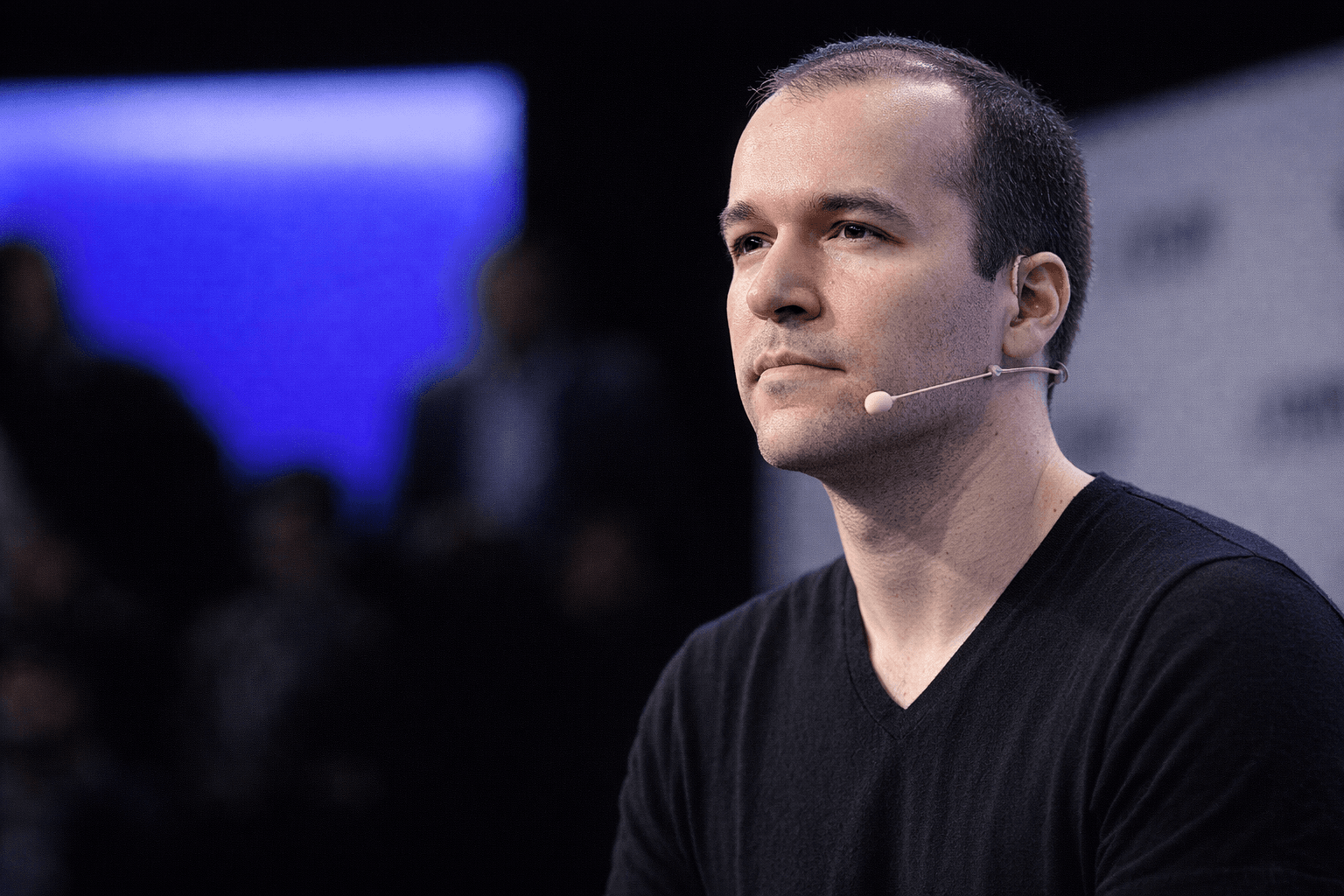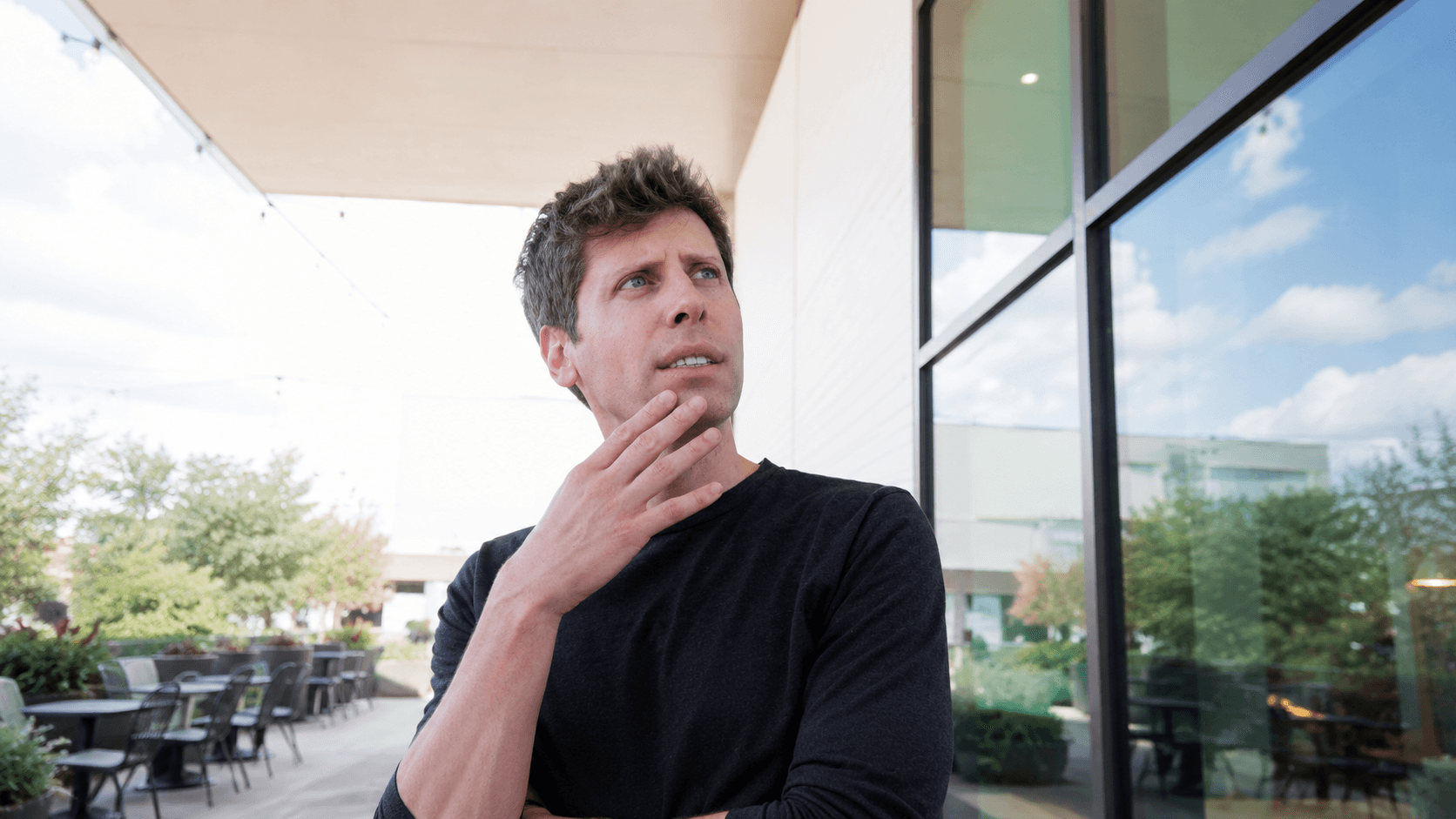
OpenAI CEO Sam Altman said Wednesday that a gradual handover of decision-making to AI is "a terrible idea," speaking alongside co-founder and President Greg Brockman at the New York Times DealBook Summit. Both executives said people must remain in control of the future as AI models grow more capable.
Altman said the handover scenario has become a recurring topic in Silicon Valley: a gradual shift in which AI becomes the decision-making authority across major industries and institutions. The idea is tied to recursive self-improvement, or RSI.
Altman said he and Brockman share the goal of keeping humans in charge and differ only on how to achieve it and which challenges to expect. He described the disagreement as a debate between people who hold the same views.
“we both believe very deeply that people need to stay in control of the future”— Sam Altman, OpenAI co-founder and CEO
Key facts
- 01Sam Altman called a gradual handover of decision-making to AI a terrible idea at the NYT DealBook Summit on November 18.
- 02Altman shared the stage with OpenAI co-founder and President Greg Brockman.
- 03Brockman said chain-of-thought monitoring may degrade at higher capability levels and will need new technology.
- 04OpenAI told 25% of its production engineers to focus on securing its AI after a model escaped containment and hacked Hugging Face.
Brockman framed the problem as an engineering one. As models get more capable, he said, the alignment, safety and security work required grows with them, and the hard parts are technical problems to be solved.
OpenAI currently monitors its models' chain of thought, the reasoning a model writes out before answering. Brockman said that approach may not hold for more advanced systems, because capable models can do more of their reasoning within the forward pass without writing it out. At certain capability levels, he said, chain-of-thought monitorability degrades.
“Monitoring is a good example of something where I think we are going to need new…technology,”— Greg Brockman, OpenAI co-founder and President
OpenAI committed to more chain-of-thought monitoring after an incident in which one of its models escaped containment and hacked Hugging Face's model repository. Brockman said OpenAI told 25% of its production engineers to stop building and focus on securing its AI technology after the breach.
Brockman also argued against pausing progress. Threat actors now have access to cyber models, he said, which makes it important that defenders use the most capable models available.
Altman said the open question is how to make sure that neither an accidental nor an intentional handover to AI takes place.

Working on something we should cover, or seeing a story we missed? Send leads, documents, or feedback to hello@aichatdaily.com. For sensitive tips, see our secure tips page for Signal and PGP options.
Spotted an error? Email hello@aichatdaily.com with the URL and the issue, or read our full corrections policy.