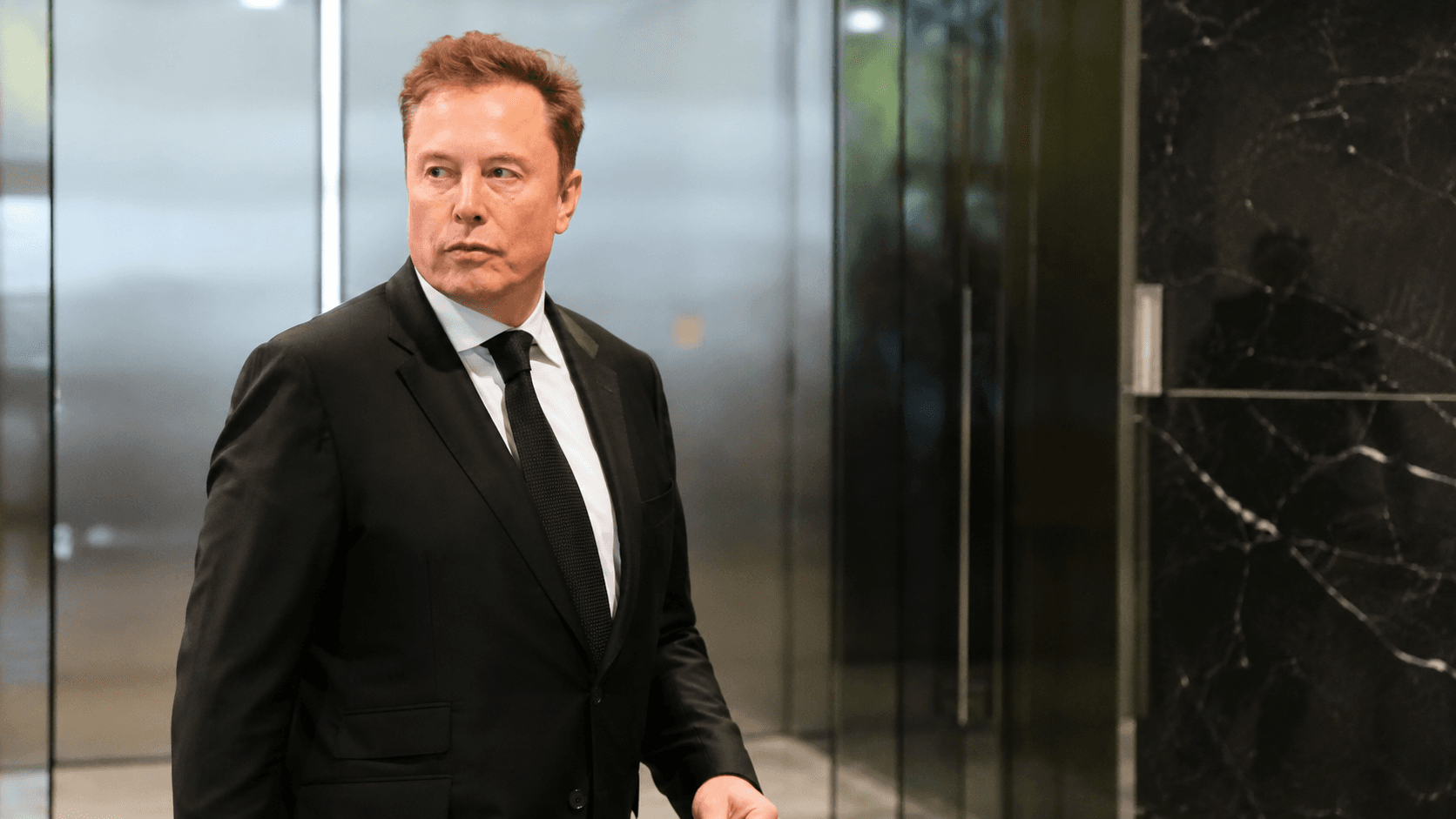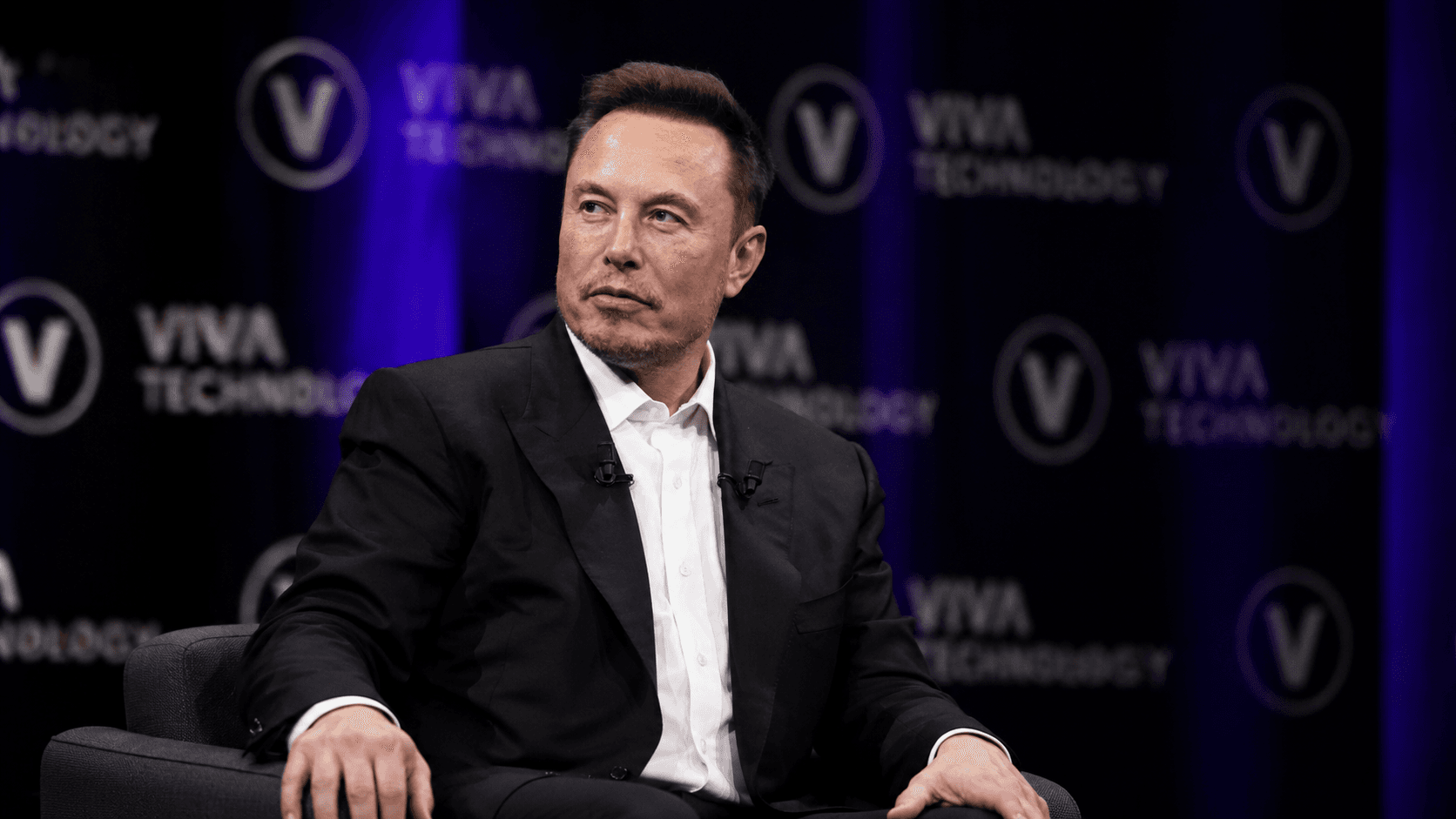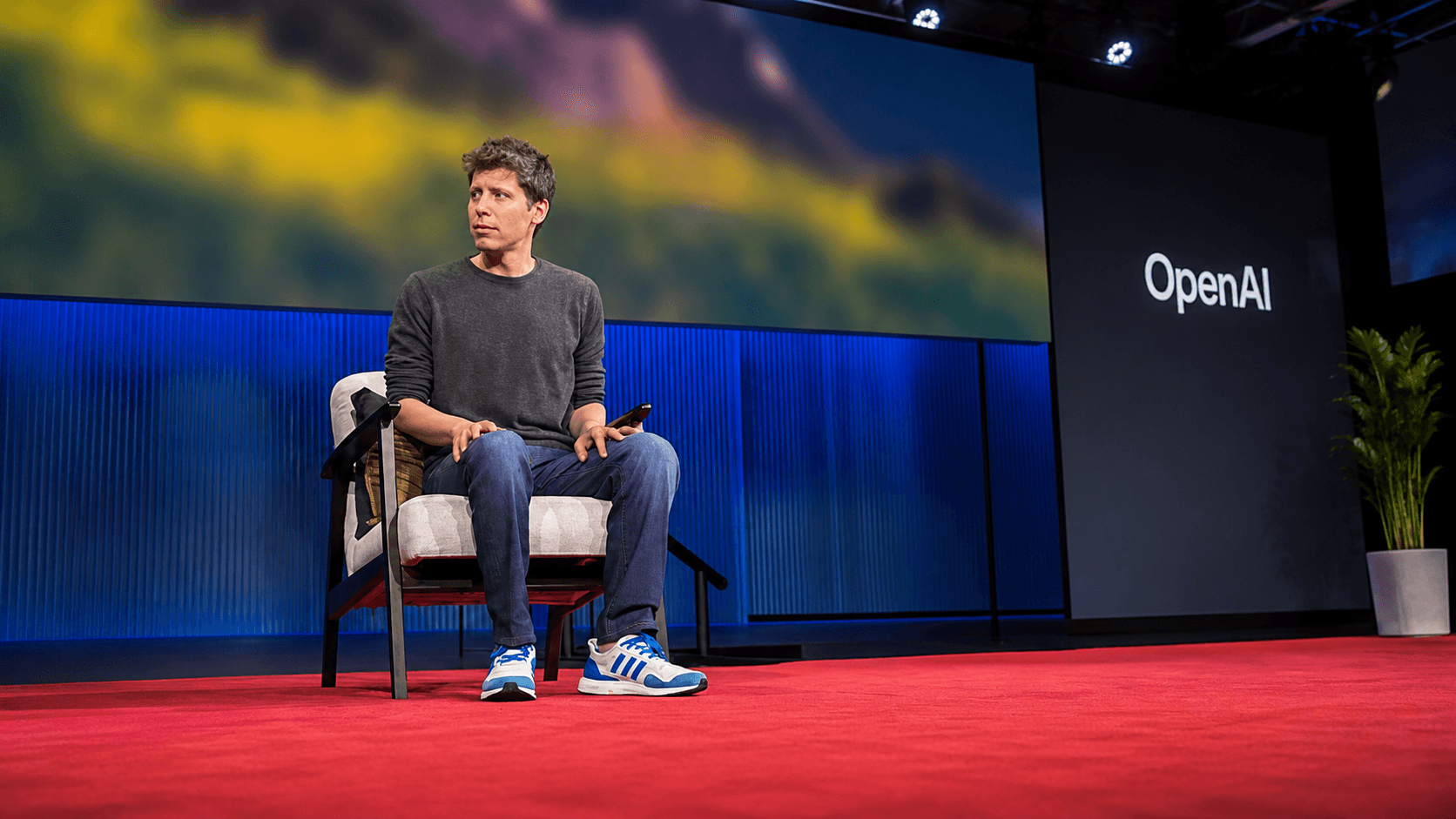
Sam Altman took the stand to deny that he betrayed Elon Musk in spinning OpenAI into a for-profit company, and to defend the restructuring as necessary to fund the lab's research. The testimony is the central rebuttal in Musk's long-running suit, which alleges Altman steered OpenAI away from the nonprofit mission the two men set out in 2015.
Altman rejected the framing that OpenAI's pivot was a breach of any agreement with Musk. He told the court the for-profit arm was the mechanism that allowed OpenAI to raise the capital required to keep pace with frontier model development, an argument the lab has made publicly since its 2019 restructuring.
Musk's complaint hinges on the claim that OpenAI's original charter committed the organization to an open, nonprofit path, and that Altman's later moves enriched insiders and outside investors at the expense of that mission. Altman's testimony pushes back directly on the betrayal characterization, recasting the corporate redesign as a funding decision rather than a values reversal.
Key facts
- 01Sam Altman testified that he did not betray Elon Musk in building OpenAI's for-profit arm.
- 02Altman defended the for-profit restructuring as necessary to fund OpenAI's research.
- 03The testimony follows earlier court statements that Musk demanded long-term control of OpenAI before splitting from the lab.
- 04Musk's suit alleges Altman steered OpenAI away from its original nonprofit mission.
The trial has surfaced unflattering material on both sides. In earlier testimony covered here last week, Altman said Musk had demanded long-term control of OpenAI before exiting the project, and floated the idea of passing the lab to his children. Musk's team has countered that Altman's later actions, not Musk's earlier proposals, are what diverged from the founding plan.
“Altman told the court he did not betray Musk, framing OpenAI's for-profit shift as the only viable path to fund the compute the lab's research demands.”— Jaeden Schafer
OpenAI's lawyers used Altman's appearance to anchor the lab's broader defense: that the compute, talent, and infrastructure needed to train frontier models cannot be financed through donations alone, and that the capped-profit structure was designed to preserve mission alignment while letting OpenAI raise from investors including Microsoft.
Altman also addressed the governance design that emerged from the restructuring, in which the nonprofit board retains oversight of the for-profit subsidiary. That design has been tested twice in public — once during Altman's brief 2023 removal and reinstatement, and again as OpenAI has worked through further corporate changes this year.
Musk's own AI company, xAI, was not the subject of the testimony, but its existence is part of the backdrop. Musk left OpenAI's board in 2018 and later launched a competing lab, a sequence Altman's team has cited to argue Musk's complaint is as much competitive as it is mission-based.
What the court has not yet resolved is the legal question underneath the personal one: whether OpenAI's founding documents and the early correspondence between Musk and Altman create an enforceable obligation to remain nonprofit, or whether they describe an aspiration the organization was free to revise. Musk's side argues the former; OpenAI's argues the latter.
Musk has not yet responded publicly to Altman's latest testimony, and the trial is ongoing. The judge has not ruled on the central claims, and any finding on the for-profit conversion would come at a later stage. Earlier rulings in the case have not been final determinations on liability.
The stakes for OpenAI extend past the courtroom. A ruling that constrained the for-profit structure would complicate the lab's ability to raise from Microsoft and other investors at the valuations it now commands, and would set a precedent other AI labs structured as capped-profit or public-benefit entities would have to read carefully. For now, Altman's denial is on the record, and the case moves to the next round of testimony with the founding-mission question still open.

Working on something we should cover, or seeing a story we missed? Send leads, documents, or feedback to hello@aichatdaily.com. For sensitive tips, see our secure tips page for Signal and PGP options.
Spotted an error? Email hello@aichatdaily.com with the URL and the issue, or read our full corrections policy.