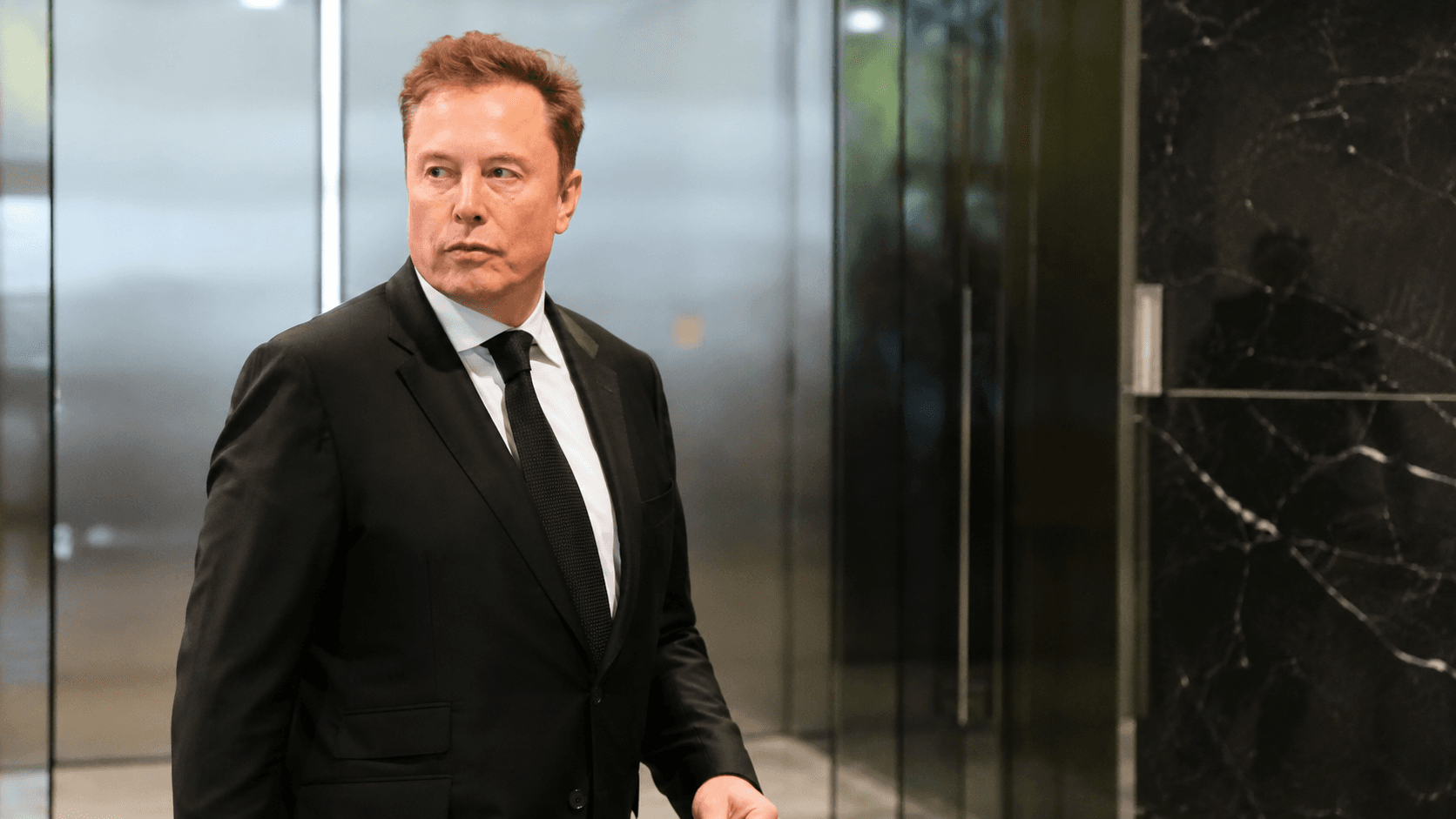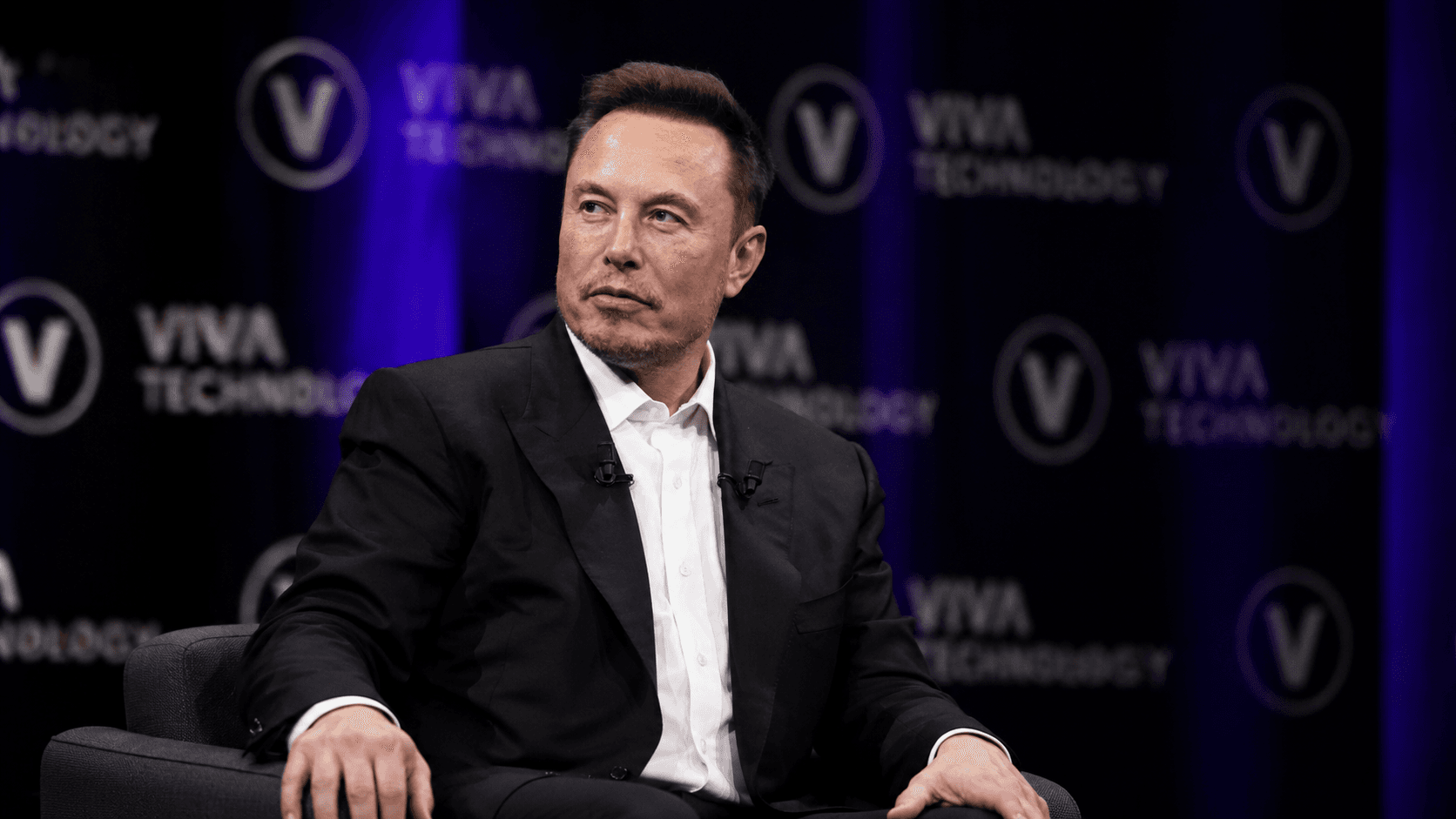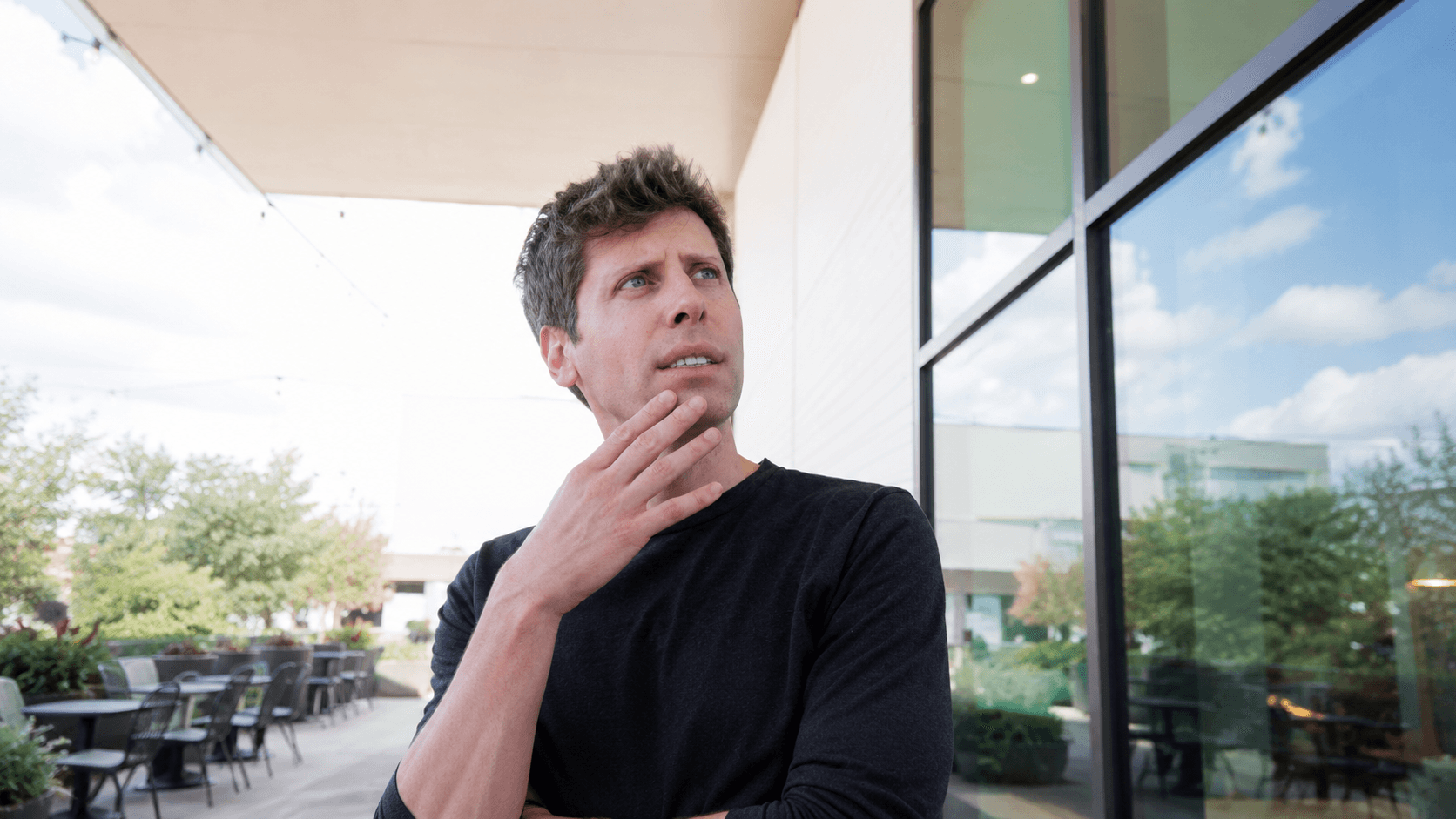
Sam Altman testified on May 12, 2026 that Elon Musk once suggested a for-profit OpenAI could 'pass to my children' if Musk died while controlling it, an account the OpenAI chief executive offered on the stand in Musk's lawsuit challenging the company's corporate structure. Altman said the 2017 exchange came during a debate over how to fund the lab's compute bills and helped convince him that handing Musk control of a commercial OpenAI was incompatible with the non-profit's mission. OpenAI's foundation now holds assets on the order of $200 billion, a figure at the center of Musk's claim that the founders 'stole a charity.'
Asked directly about that allegation at the start of his testimony, Altman paused several seconds before answering. 'It feels difficult to even wrap my head around that framing,' he said. 'We created one of the largest charities in the world. This foundation is doing incredible work and will do much more.'
Musk's attorneys pressed the point that the $200 billion foundation did not have full-time employees until earlier this year, presenting that gap as evidence the charitable mission was an afterthought. OpenAI board chair Bret Taylor testified that the delay reflected the mechanics of converting OpenAI equity into cash, a step completed only with the 2025 restructuring that reorganized the company.
Key facts
- 01Sam Altman took the stand on May 12, 2026 to defend OpenAI against Elon Musk's lawsuit challenging its corporate structure.
- 02Altman testified that in 2017 Musk said a for-profit OpenAI could 'pass to my children' if Musk died while controlling it.
- 03OpenAI's foundation now holds roughly $200 billion in assets but had no full-time employees until earlier this year.
- 04Board chair Bret Taylor said staffing waited on OpenAI's 2025 restructuring, which converted equity to cash for the foundation.
- 05Altman said Musk forced Greg Brockman and Ilya Sutskever to stack-rank researchers and cut staff, damaging the lab's culture.
The central question Musk's lawyers are putting to the court is whether OpenAI's safety commitments slipped as its commercial value grew. Altman flipped the frame, arguing that it was Musk's own approach in 2017 that worried him. Musk's 'specific plans on safety made me worry,' Altman said, describing a 'particularly hair-raising moment' when Musk was asked what would happen to a hypothetical for-profit OpenAI in the event of his death.
“Altman said Musk, asked what would happen if he died controlling a for-profit OpenAI, replied that 'maybe OpenAI should pass to my children.'”— Jaeden Schafer
Altman said his time running Y Combinator had taught him that 'founders who had control usually did not give it up,' and that OpenAI had been founded on the premise of keeping advanced AI out of any single person's hands. Musk's insistence on controlling the for-profit, in Altman's account, cut against that founding logic.
Altman also questioned Musk's fit as a research-lab operator, drawing a contrast with the engineering and manufacturing playbook used at Tesla. 'I don't think Mr. Musk understood how to run a good research lab,' Altman testified. 'He had demotivated some of our most key researchers. He had at one point required Greg and Ilya to make a list of the researchers and list out their accomplishments and stack rank them and take a chainsaw through a bunch. That did huge damage for a long time to the culture of the organization.'
Altman positioned himself as defending the 'sweat equity' of cofounders Greg Brockman and Ilya Sutskever, whom he described as effectively running OpenAI day-to-day in 2017 while he and Musk held other jobs. After the dispute over control went unresolved, Musk left OpenAI's board and later started competing AI efforts inside Tesla and at xAI.
OpenAI's lawyers used Altman's testimony to highlight that Musk remained in the loop on the company's direction even after his departure, including on the investments his lawsuit now characterizes as a corruption of the non-profit. Altman said he continued to update Musk and to seek his funding and counsel.
One such meeting concerned a 2018 Microsoft investment in OpenAI. 'Unlike a lot of meetings with Mr. Musk, this was a good vibes meeting,' Altman said, where Musk spent 'a long conversation showing us memes on his phone.' The detail, mundane on its face, is load-bearing for OpenAI's defense: it places Musk inside the room as the commercial pivot was being shaped, not on the outside as a betrayed founder.
Musk's side of the case rests on the gap between OpenAI's original charitable charter and the multibillion-dollar commercial entity it now sits atop, with the staffing delay at the foundation cited as evidence the non-profit mission was hollowed out. Musk has not yet had the opportunity to rebut Altman's specific account of the 2017 exchange on the record, and the court has not ruled on the underlying claims.
The case matters beyond the two principals because the legal answer will shape how future AI labs can move from research non-profit to commercial operator without inviting similar suits. OpenAI's 2025 restructuring is already the template Anthropic, xAI, and others watch closely; a ruling that the foundation's $200 billion structure is defensible would harden that template, while a ruling for Musk would force a rethink of how charitable AI ventures convert to for-profit arms. For now, the most consequential AI corporate-governance dispute of the decade hinges on whose account of a 2017 room the court finds more credible.

Working on something we should cover, or seeing a story we missed? Send leads, documents, or feedback to hello@aichatdaily.com. For sensitive tips, see our secure tips page for Signal and PGP options.
Spotted an error? Email hello@aichatdaily.com with the URL and the issue, or read our full corrections policy.