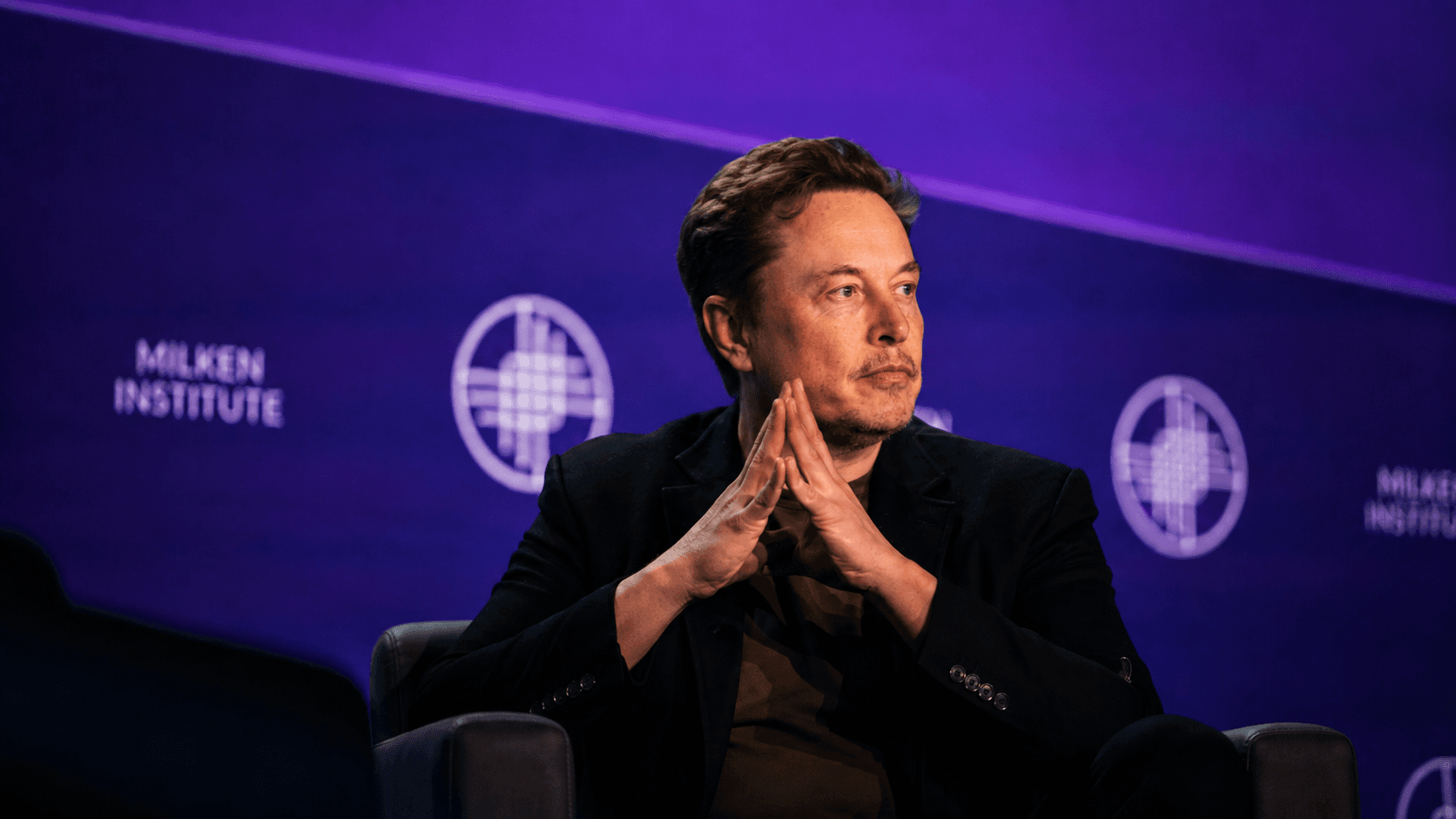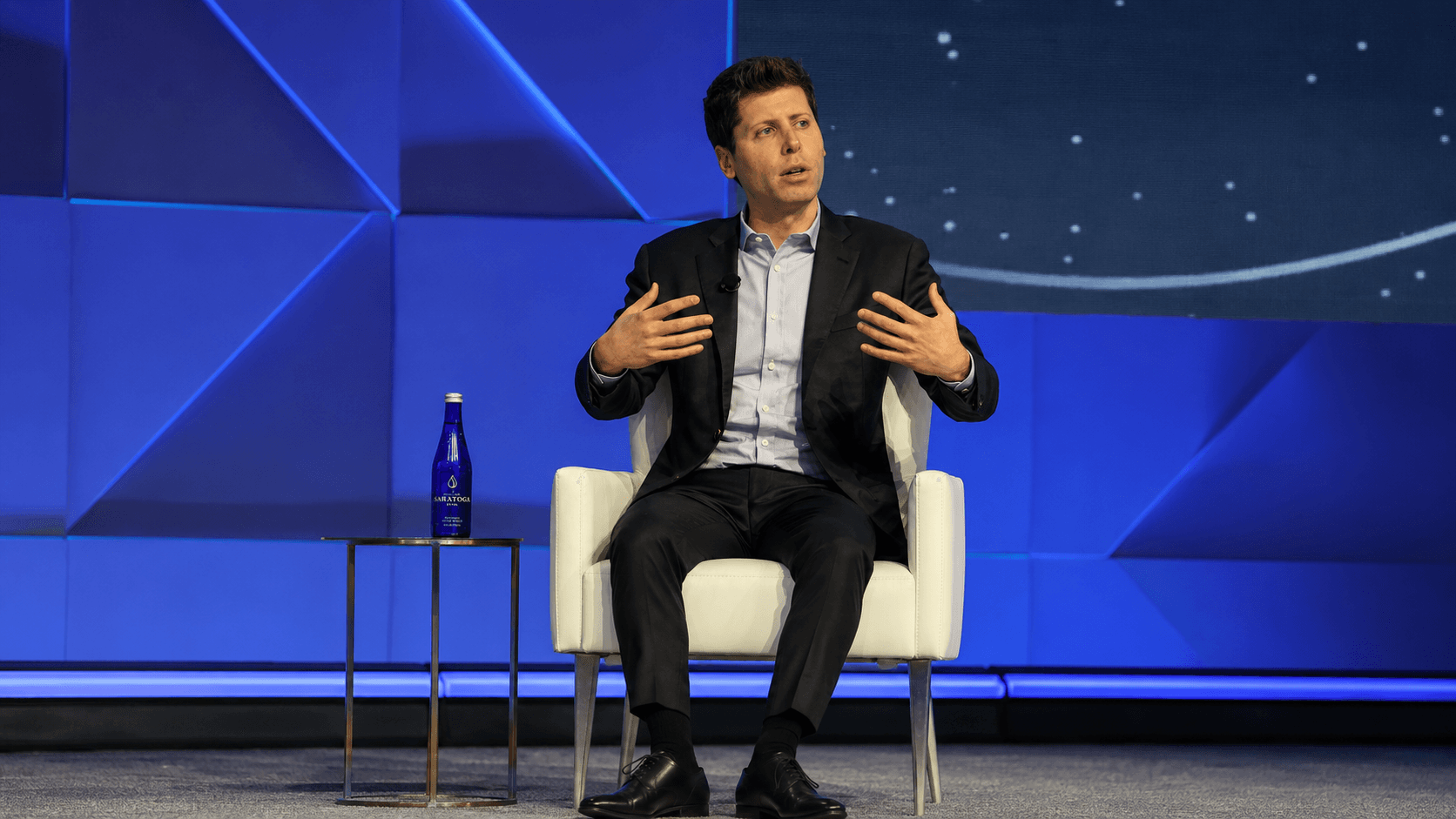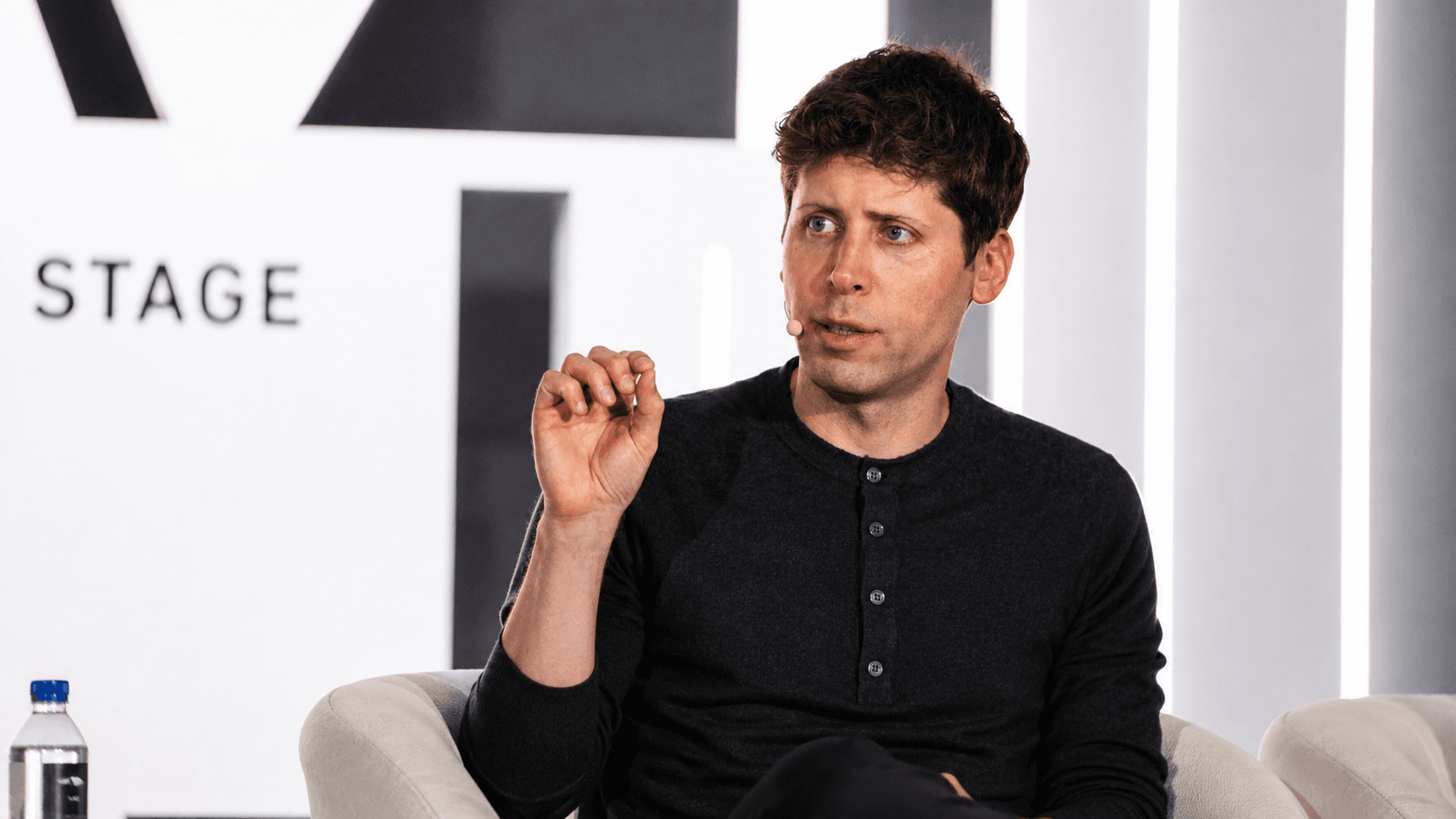
Sam Altman took the stand in Elon Musk's suit against OpenAI after two weeks of witness testimony, telling jurors that Musk had sought long-term control of the for-profit arm and walked away when he didn't get it. Asked by his attorney William Savitt how it felt to be accused of stealing a charity, Altman answered: "We created, through a ton of hard work, this extremely large charity, and I agree you can't steal it. Mr. Musk did try to kill it, I guess. Twice." The testimony anchors OpenAI's defense around contemporaneous emails and texts rather than character.
Altman testified that serious discussions over a for-profit arm began after OpenAI's Dota 2 win, and that Musk insisted on total initial control. "Mr. Musk felt very strongly that if we were going to form a for-profit he needed to have total control over it initially," Altman said. "He only trusted himself to make non-obvious decisions that were going to turn out to be correct."
The defense produced a 2017 email from Altman to Shivon Zilis in which Altman wrote, "I am worried about control. I don't think any one person should have control of the world's first AGI — in fact the whole reason we started OpenAI was so that wouldn't happen." In the same message, Altman said he was open to "creative structures" granting Musk interim control up to specific milestones. The note tracks with Altman's stated view that the mission required diffuse authority.
Key facts
- 01Altman took the stand after two weeks of witness testimony in Musk's suit against OpenAI.
- 02A 2017 Altman email to Shivon Zilis said no one person should control the world's first AGI.
- 03Sam Teller texted Zilis at 12:40 AM on February 4, 2018 proposing to 'disable' OpenAI by recruiting its leaders to Tesla.
- 04Musk's counsel argued OpenAI could have stayed a nonprofit because Stanford raises $3B a year.
- 05The combined initial Microsoft investments totaled $3B — the same figure Musk's side cited as sufficient.
Altman pointed jurors not to Mark Zuckerberg's supervoting structure at Meta but to Musk's own setup at SpaceX as the cautionary tale. He said Musk, when asked about succession, replied, "I haven't thought about it a ton, but maybe control should pass to my children." Altman characterized the answer as "hair-raising" and described Musk's post-PayPal pattern of refusing to invest in anything he doesn't control.
“My belief is he wanted to have long term control and that he would've had that had we agreed to the structure he wanted, Altman testified about Musk's exit from OpenAI.”— Jaeden Schafer
On Musk's parallel push to fold OpenAI's leadership into Tesla, Altman said he read "a lightweight threat" in messages relayed through Sam Teller that Musk would build AI inside Tesla "with or without you." In a 12:40 AM text on February 4, 2018, Teller wrote to Zilis: "I don't love OpenAI continuing without Elon. Would rather disable it by recruiting the leaders." Altman testified that letting Tesla absorb OpenAI would have betrayed the nonprofit's mission.
After Musk stopped quarterly donations, Altman said OpenAI was operating on a "shoestring" with an "extremely short runway of cash." Other donors remained — including, per an unremarked-on exhibit, Alameda Research, Sam Bankman-Fried's now-defunct firm. None of those donors have sued or joined Musk's case. Altman added that Musk's resignation from the board left staff wondering whether he would "try to take, uh, vengeance out on us."
Altman also testified that Musk had "demotivated some of our key researchers" and done "huge damage for a long time to the culture of the organization." Documents shown in court indicate that Altman and his team kept Musk informed through Zilis and Teller as the for-profit structure took shape, including the early Microsoft talks. Musk did not object contemporaneously, according to those exhibits.
Cross-examination by Musk attorney Steven Molo ran more than 10 minutes through a list of people who have called Altman a liar — Ilya Sutskever, Mira Murati, Helen Toner, the Amodei siblings now running Claude maker Anthropic, employees from Altman's first startup Loopt, a recent New Yorker article exceeding 17,000 words, and a book titled The Optimist. Altman stayed composed, saying he hadn't followed earlier testimony closely. The line of attack landed early and tapered off.
Molo's substantive argument was that OpenAI could have remained a nonprofit because Stanford raises roughly $3 billion a year in donations. The figure cuts against him on the math: $3 billion is also the combined size of Microsoft's first two investments in OpenAI, and well short of the capital needed to scale frontier model training. If compute is the binding constraint on building AI, a donor-funded OpenAI would not have reached its current scale.
Verge reporter Elizabeth Lopatto, who has covered the trial, wrote that she believes "Altman isn't trustworthy" but noted that contemporaneous documents back his version of events in a way that Musk's testimony — including Musk's own claim that he doesn't lose his temper — has not been backed. That distinction is the defense's whole game: ride the paper trail, not the personalities. Whether the jury accepts the framing remains the open question.
The reputational stakes outrun the courtroom. Musk's side appears less focused on winning a verdict than on cataloguing accusations against Altman, Greg Brockman, and OpenAI in a public forum, and the cross-examination's emphasis on past critics suggests that strategy is deliberate. For OpenAI, which is mid-restructure and negotiating revenue terms with Microsoft, prolonged litigation is a tax on executive attention even if the legal exposure is limited.
The trial's near-term market consequence is narrow: OpenAI's corporate structure is already set, Microsoft's economics are already in motion, and Anthropic and the rest of the field are not waiting on a verdict. The longer consequence is governance precedent. If a co-founder donor can credibly relitigate a nonprofit-to-for-profit conversion years later, every frontier lab built on a charitable wrapper — and there are several — has a new risk factor to disclose to investors.

Working on something we should cover, or seeing a story we missed? Send leads, documents, or feedback to hello@aichatdaily.com. For sensitive tips, see our secure tips page for Signal and PGP options.
Spotted an error? Email hello@aichatdaily.com with the URL and the issue, or read our full corrections policy.