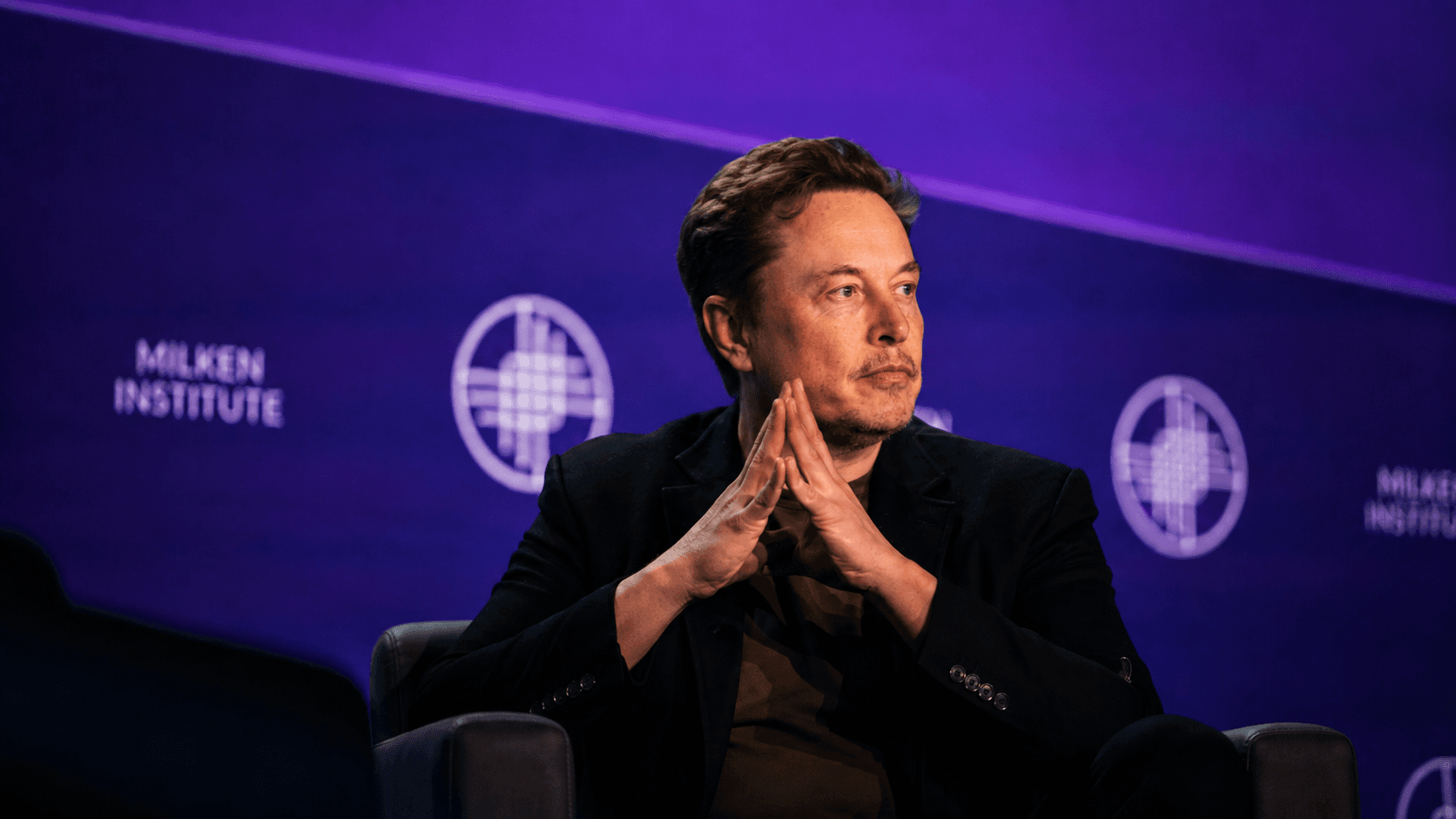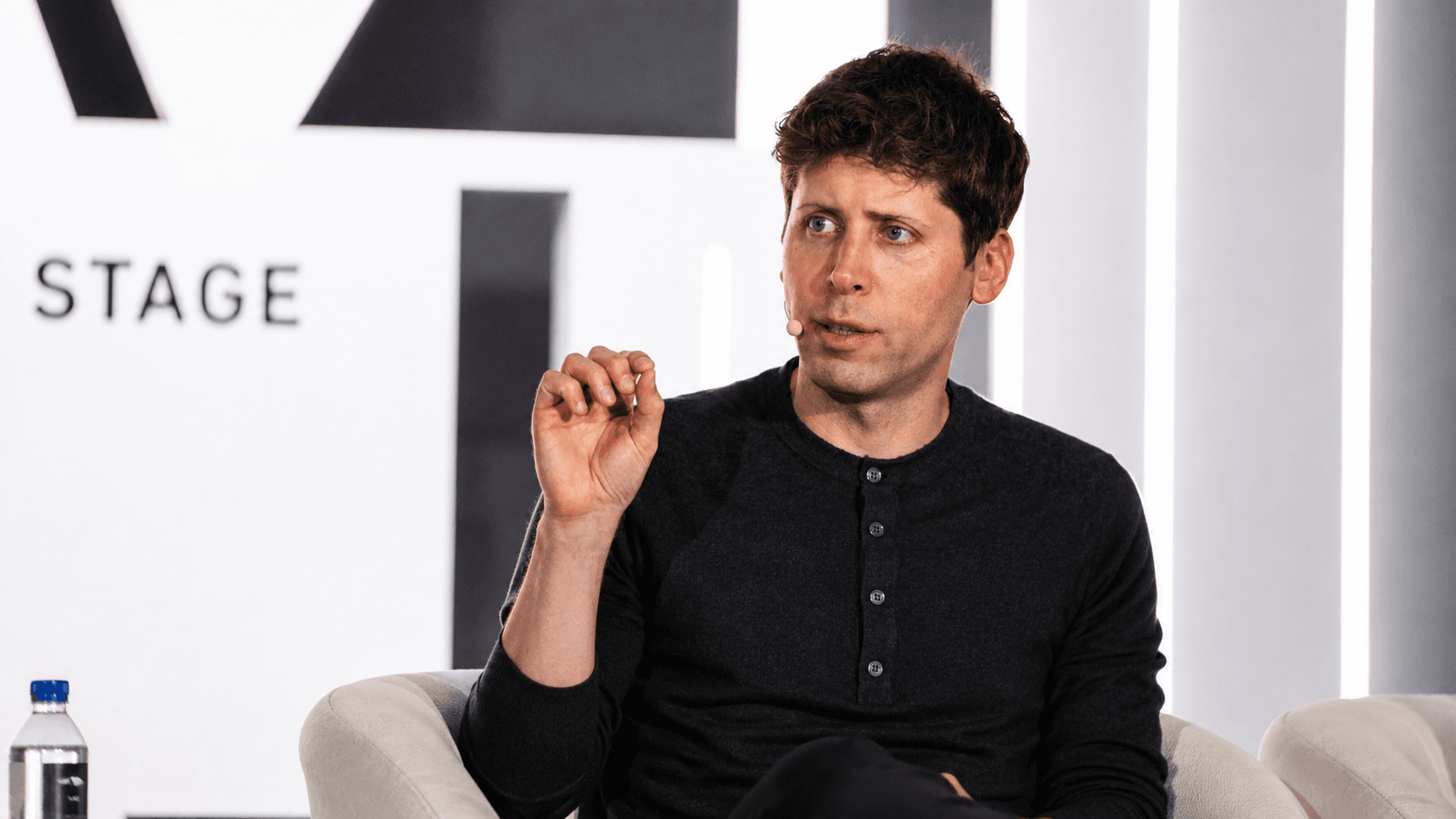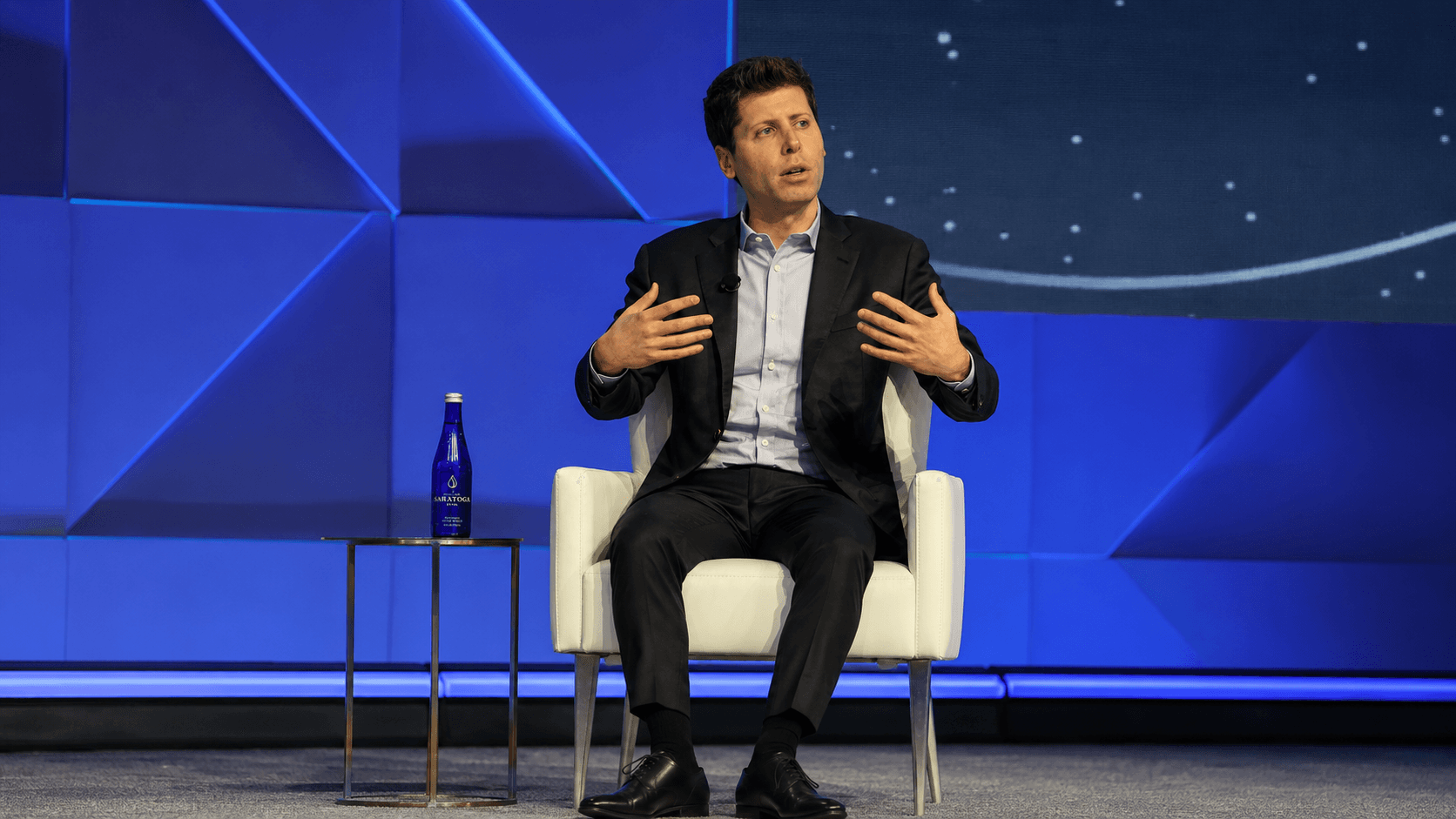
Sam Altman testified on Tuesday in Elon Musk's lawsuit against OpenAI, spending about four hours on the stand defending his truthfulness and the company's for-profit restructuring. Musk's lawyer Steven Molo opened cross-examination by asking Altman whether he was "completely trustworthy," then pressed him with a 52-page dossier compiled by co-founder Ilya Sutskever that Sutskever has described as documenting a "consistent pattern of lying." Altman's appearance was markedly shorter than Musk's own three grueling days on the stand earlier in the trial.
The case will determine who controls OpenAI, where its research funding comes from, and who profits from its technology. Musk alleges current leadership abandoned the nonprofit mission after he donated $38 million in early funding, and he is seeking up to $150 billion in damages that he says he would route to OpenAI's nonprofit. Altman's legal team argues the math erases the contributions of every other co-founder and researcher.
"Are you completely trustworthy?" Molo asked at the outset. "I believe so," Altman answered. When Molo pushed — "You don't know whether you're completely trustworthy?" — Altman replied, "I'll just amend my answer to yes." He went on to assert, "I believe I'm a truthful person," and eventually acknowledged he has heard others call him a liar. The judge overruled an objection from Altman's counsel on that line of questioning.
Key facts
- 01Altman spent about 4 hours on the stand on Tuesday, compared with 3 days for Musk earlier in the trial.
- 02Musk's lawyer Steven Molo confronted Altman with a 52-page dossier from co-founder Ilya Sutskever documenting alleged lies.
- 03Musk is seeking up to $150 billion in damages, which he says he would donate to OpenAI's nonprofit.
- 04Musk's suit centers on $38 million in early funding he donated before the for-profit restructuring.
- 05Altman testified he nearly took a Microsoft offer to run a 'pure AGI research effort' after the 2023 board ouster.
The Sutskever dossier is one of the more concrete pieces of evidence Musk's side has surfaced. Sutskever, a co-founder and former chief scientist, has testified separately about the document. Molo used it to try to pin Altman down on specific incidents, though the exchange lost momentum after Altman conceded the general point that some former associates have publicly questioned his honesty.
“Musk's lawyer pressed Altman on a 52-page dossier from co-founder Ilya Sutskever documenting what Sutskever called a 'consistent pattern of lying' by the OpenAI CEO.”— Jaeden Schafer
The most revealing stretch of Altman's testimony was his account of the November 2023 board ouster. He told the court he seriously weighed accepting a Microsoft offer to run an AI research effort there with OpenAI president Greg Brockman. "I was extremely angry. I felt extremely misled. I was just like, enough is enough. I'm going to go work on a pure AGI research effort," Altman testified.
He continued: "There was something appealing about going to work at Microsoft with Brockman on a pure AI research effort. And I was also very angry and hurt and upset. It felt like an incredible betrayal and very painful, very public, crazy few days." Altman said he ultimately returned because "I'm sure I could have made a ton of money and had a much easier life at Microsoft, but I cared about the mission and the people."
That framing parallels Musk's own departure language. Musk told co-founders he "had enough" when they refused to make him CEO and threatened to build a competing AI effort at Tesla. Altman testified that when he once asked Musk who might succeed him as OpenAI's leader, Musk answered, "I haven't thought about it a ton, but maybe control should pass to my children" — a moment Altman called "particularly hair-raising."
Altman, drawing on his Y Combinator years, said he "had seen a lot of control fights" in which "no one wanted to give up power when things were going well." He testified Musk only dropped into OpenAI roughly every other week during the founding period while other co-founders worked "every waking hour," and that Musk's management style — "This idea that you had to show your result or you're going to be fired — that didn't work for us" — risked driving out research talent.
Molo did press one uncomfortable line: as CEO of both OpenAI's for-profit and nonprofit arms, Altman has limited oversight over himself. Asked whether he would fire himself if he became too greedy, Altman said he had no such plans but suggested he might retire eventually. On redirect, Altman's lawyer William Savitt reminded the jury that OpenAI's board had in fact fired Altman once before, undercutting the picture of unchecked control. This piece follows our earlier coverage of Altman's testimony on Musk's demands for long-term OpenAI control and his suggestion that the company pass to his children.
The unresolved question is whether Sutskever's dossier and the parade of former insiders alleging dishonesty will outweigh the documentary record OpenAI's lawyers have built showing Musk himself contemplated a for-profit structure and poached OpenAI staff for xAI. Musk has not created xAI as a nonprofit, a fact OpenAI's team has hammered. Sutskever's own credibility, given his role in the 2023 ouster, will be tested by jurors as much as Altman's.
For the AI industry, the trial's commercial stakes are concrete regardless of the character drama. A verdict against OpenAI's restructuring could claw back the for-profit arm that Microsoft, SoftBank, and a roster of cloud and chip partners have built revenue forecasts around, and a $150 billion damages award — even partially granted — would reshape the cap table of the most commercially significant AI company in the market. The more likely outcome is a narrower ruling on fiduciary duty, but the discovery record now in evidence, including the Sutskever dossier, will follow Altman into every governance conversation OpenAI has with regulators and large enterprise customers for the next several years.

Working on something we should cover, or seeing a story we missed? Send leads, documents, or feedback to hello@aichatdaily.com. For sensitive tips, see our secure tips page for Signal and PGP options.
Spotted an error? Email hello@aichatdaily.com with the URL and the issue, or read our full corrections policy.