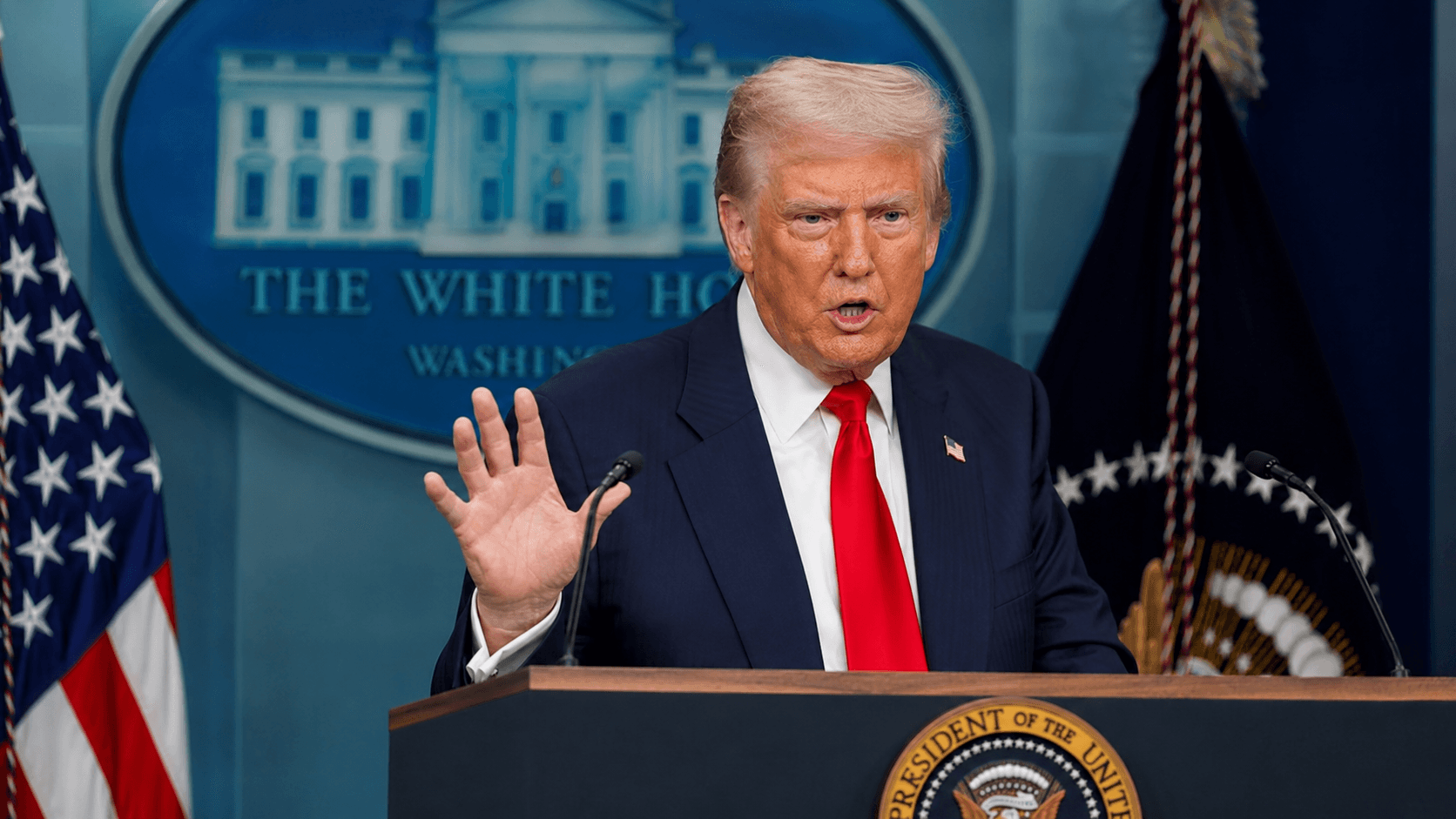
Chris Fall is resigning as director of the Center for AI Standards and Innovation three months after taking over the federal AI testing body, the Commerce Department confirmed on Monday. Fall was appointed in April 2026 to run the agency, which was reorganized earlier this year from what had been the U.S. AI Safety Institute. Commerce spokesperson Benno Kass confirmed Fall's departure, without naming a successor or an interim lead.
The exit lands at an awkward moment for federal AI oversight. CAISI is still writing the technical standards that will govern how frontier models are evaluated for national-security-relevant capabilities, and the director's chair sits at the center of that process. Losing the person running the pen three months into the job resets the timeline on work that model developers, agency counterparts, and foreign regulators have all been tracking.
The Center for AI Standards and Innovation was created earlier in 2026 when the Trump administration restructured the U.S. AI Safety Institute, the Biden-era body housed inside the National Institute of Standards and Technology. The rename shifted the agency's stated emphasis from safety testing toward standards development and industry coordination, though its core function — evaluating frontier AI systems for capabilities of concern — carried over. Fall's appointment in April was meant to stabilize the new organization and get it operating under its new charter.
Key facts
- 01Chris Fall is resigning as director of the Center for AI Standards and Innovation three months after taking the role.
- 02Fall was appointed in April 2026 to lead the Commerce Department body.
- 03CAISI is the successor to the U.S. AI Safety Institute, reorganized under the Trump administration.
- 04Commerce spokesperson Benno Kass confirmed the departure on Monday, July 20, 2026.
Fall came into the role with a research-management background rather than a purely political profile, which had been read at the time as a signal that the administration wanted continuity on the technical work even as the framing changed. His departure after roughly a quarter in the seat leaves that read open to question. Neither Fall nor Commerce has publicly stated the reason for the resignation.
For the AI companies that interact with CAISI, the practical concern is throughput. The agency's pre-deployment evaluation work — the voluntary testing arrangements that OpenAI, Anthropic, Google DeepMind, and others agreed to under the prior institute — depends on stable technical leadership and consistent methodology. A leadership gap slows those evaluations, and slower evaluations translate into slower feedback loops for labs preparing to ship new frontier models.
It also complicates the international picture. CAISI's counterparts in the United Kingdom and the European Union have been building out their own evaluation programs, and coordination among the three has been one of the few areas of concrete cross-border cooperation on AI oversight. The UK AI Security Institute in particular has been publishing detailed capability assessments on open-weight models over the past several months. A director change in Washington makes joint work harder to schedule and harder to align on methodology.
The agency's authority is also narrower than its name suggests. CAISI can set standards, run evaluations, and publish findings, but it does not have licensing power over model releases and cannot compel testing. Its influence has come from voluntary agreements with the largest labs and from the credibility of its technical staff. Both of those depend on leadership stability that the agency has now lost twice in a year — once through the rename and reorganization, and now through Fall's exit.
What happens next depends on how quickly Commerce names a replacement and whether the new director carries the same technical mandate or a redefined one. The administration has not signaled a direction publicly, and Kass's confirmation of the resignation did not include a transition plan. Career staff at the agency continue the underlying evaluation work in the interim.
The departure follows a broader pattern of turnover in US federal AI roles across 2025 and 2026, as agencies stood up new offices, renamed existing ones, and cycled leadership between administrations. Each reset has come with a cost in institutional memory that private-sector counterparts do not incur at the same rate.
For the AI industry, the immediate signal is that federal evaluation infrastructure remains a work in progress even as model capabilities keep advancing. The labs will keep shipping on their own timelines. The question CAISI's next director inherits is whether the agency can move fast enough to remain a meaningful checkpoint on those releases, or whether standards-setting drifts behind the frontier it is meant to measure.

Working on something we should cover, or seeing a story we missed? Send leads, documents, or feedback to hello@aichatdaily.com. For sensitive tips, see our secure tips page for Signal and PGP options.
Spotted an error? Email hello@aichatdaily.com with the URL and the issue, or read our full corrections policy.