Maine Governor Janet Mills vetoed L.D. 307 on April 25, 2026, killing a bill that would have imposed the first statewide moratorium on new data center permits in the United States. The pause would have run until November 1, 2027, and the legislation also called for a 13-person council to study siting, electricity, and environmental impacts. Mills, a Democrat now running for the U.S. Senate, said she agreed with much of the bill's logic but would not sign it without a carve-out for a single project.
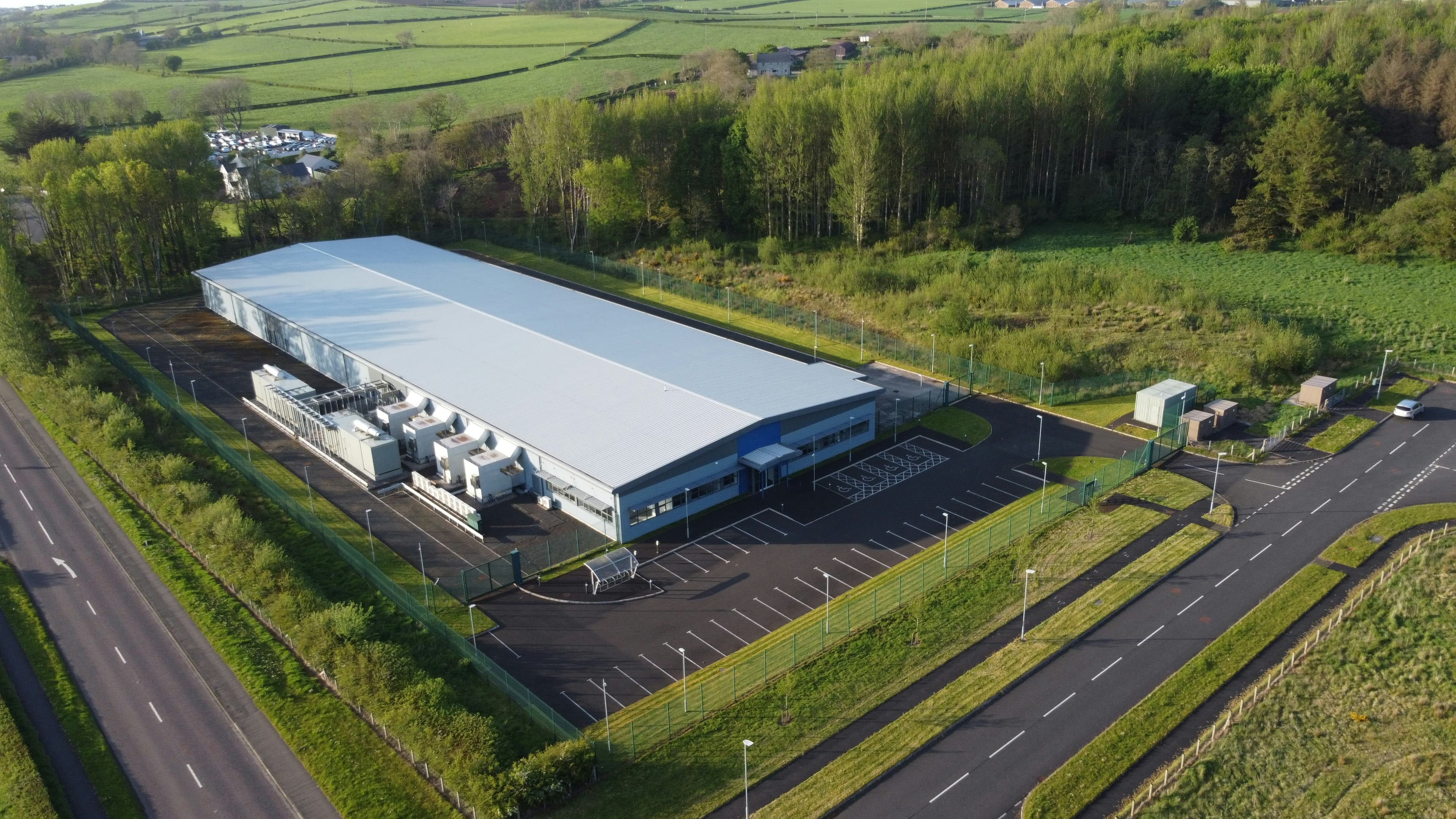
That project sits in the Town of Jay. Mills told the legislature it "enjoys strong local support from its host community and region," and said she "would have signed this bill" if Jay had been exempted. The veto leaves Maine without any statewide pause on data center construction, even as other states weigh similar measures.
In her letter to lawmakers, Mills said a moratorium would be "appropriate given the impacts of massive data centers in other states on the environment and on electricity rates." That is an unusually direct concession from a sitting governor that the AI build-out is straining grids and ratepayers. It is also the rationale she used to justify a veto, which is the contradiction lawmakers are now sitting with.
Key facts
- 01Maine Governor Janet Mills vetoed L.D. 307 on April 25, 2026, blocking what would have been the first statewide data center moratorium in the U.S.
- 02The bill would have paused new data center permits until November 1, 2027.
- 03L.D. 307 also called for a 13-person council to study and recommend rules on data center construction.
- 04Mills said she would have signed the bill with an exemption carved out for a data center project in the Town of Jay.
- 05New York is among the states that have weighed similar moratoriums as public opposition to data centers grows.
L.D. 307's sponsor, Democratic state representative Melanie Sachs, said the veto "poses significant potential consequences for all ratepayers, our electric grid, our environment, and our shared energy future." Sachs framed the bill as a pause to gather data, not a ban. The 13-person council was the mechanism for that review, and it dies with the veto unless the legislature overrides.
“L.D. 307 would have paused new data center permits in Maine until November 1, 2027, the country's first statewide moratorium, and seated a 13-person review council.”— Jaeden Schafer
Maine is not alone in weighing this. New York has considered a similar moratorium, and public opposition to new data center campuses has been climbing in states where hyperscaler construction has spiked power prices and water draws. None of those efforts has yet produced a statewide pause, which is why L.D. 307 had drawn outside attention.
The political mechanics are worth reading carefully. Mills did not argue that data centers are good for Maine on the merits. She argued that one specific project in Jay had earned local backing and should not be caught in a blanket pause. That is a narrower veto than the headline suggests, and it leaves room for a revised bill with a Jay exemption to come back.
For the AI industry, Maine's veto removes a near-term legal risk that would have rippled. A statewide moratorium in any U.S. state would have been the first regulatory line in the sand against the build-out, and would have given other state legislatures a template. That template is still drafted; it just is not law.
The grid math behind the bill has not changed. Data center load growth tied to AI training and inference is colliding with state-level electricity planning that was not built for gigawatt-scale single customers. Mills' own veto letter conceded that point, citing impacts in other states on rates and environment. The disagreement was about timing and scope, not the underlying problem.
Sachs and her co-sponsors now have to decide whether to pursue an override, redraft the bill with the Jay exemption, or wait out the legislative session. An override is the harder path; a redraft is the more likely one. Either way, the 13-person council is the piece worth watching, because a study mandate is what gives a future bill teeth.
The pattern this veto sets is the one to watch. Governors are likely to face moratorium bills in more states through 2026 and 2027, and the Mills template — sympathetic to the concerns, unwilling to sign without project-specific carve-outs — gives the data center industry a playbook. Line up local support in the host town, and the statewide pause becomes politically untenable. That is a workable strategy for hyperscalers, and a frustrating one for ratepayer advocates who wanted a clean pause.

Working on something we should cover, or seeing a story we missed? Send leads, documents, or feedback to hello@aichatdaily.com. For sensitive tips, see our secure tips page for Signal and PGP options.
Spotted an error? Email hello@aichatdaily.com with the URL and the issue, or read our full corrections policy.