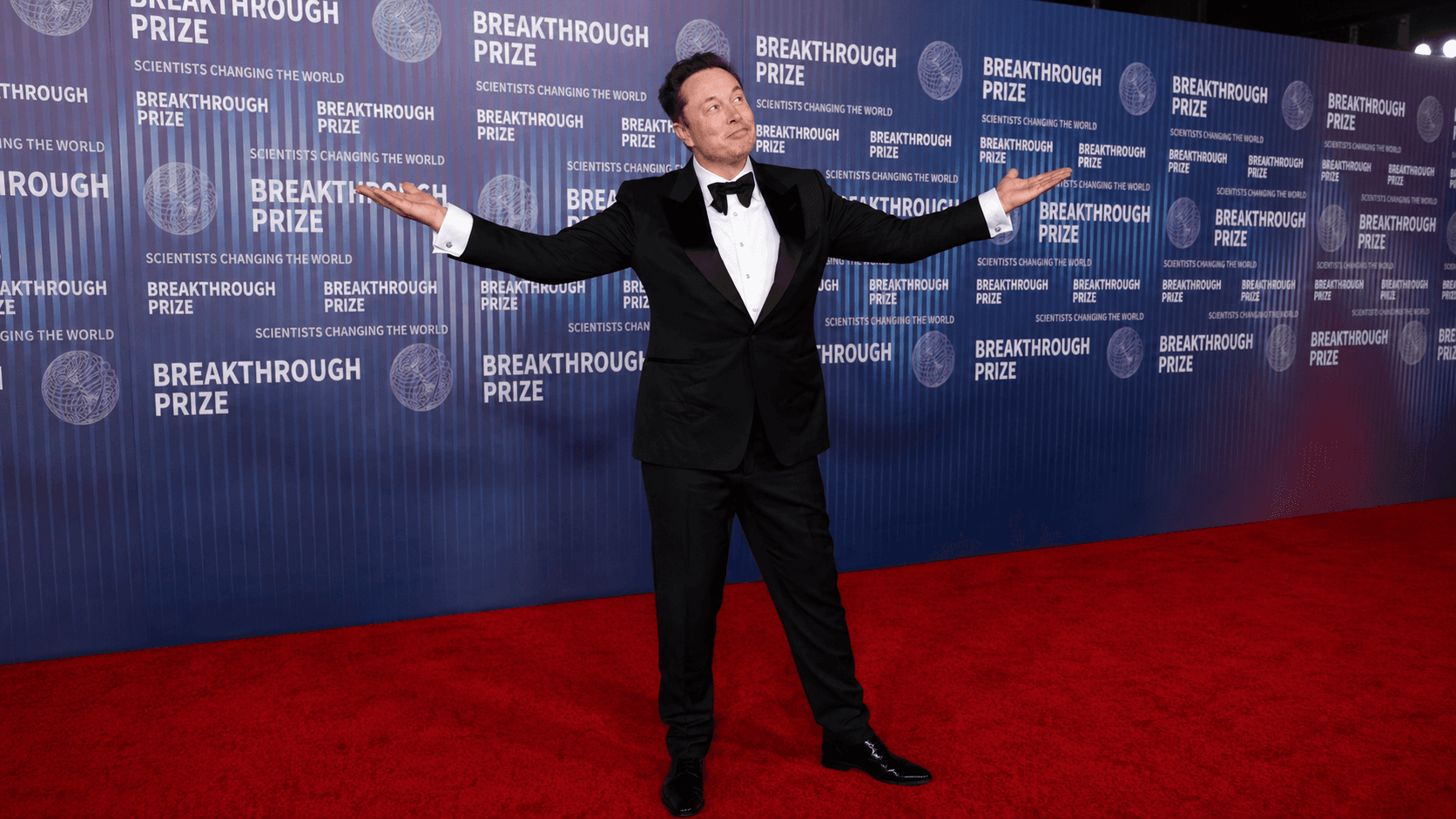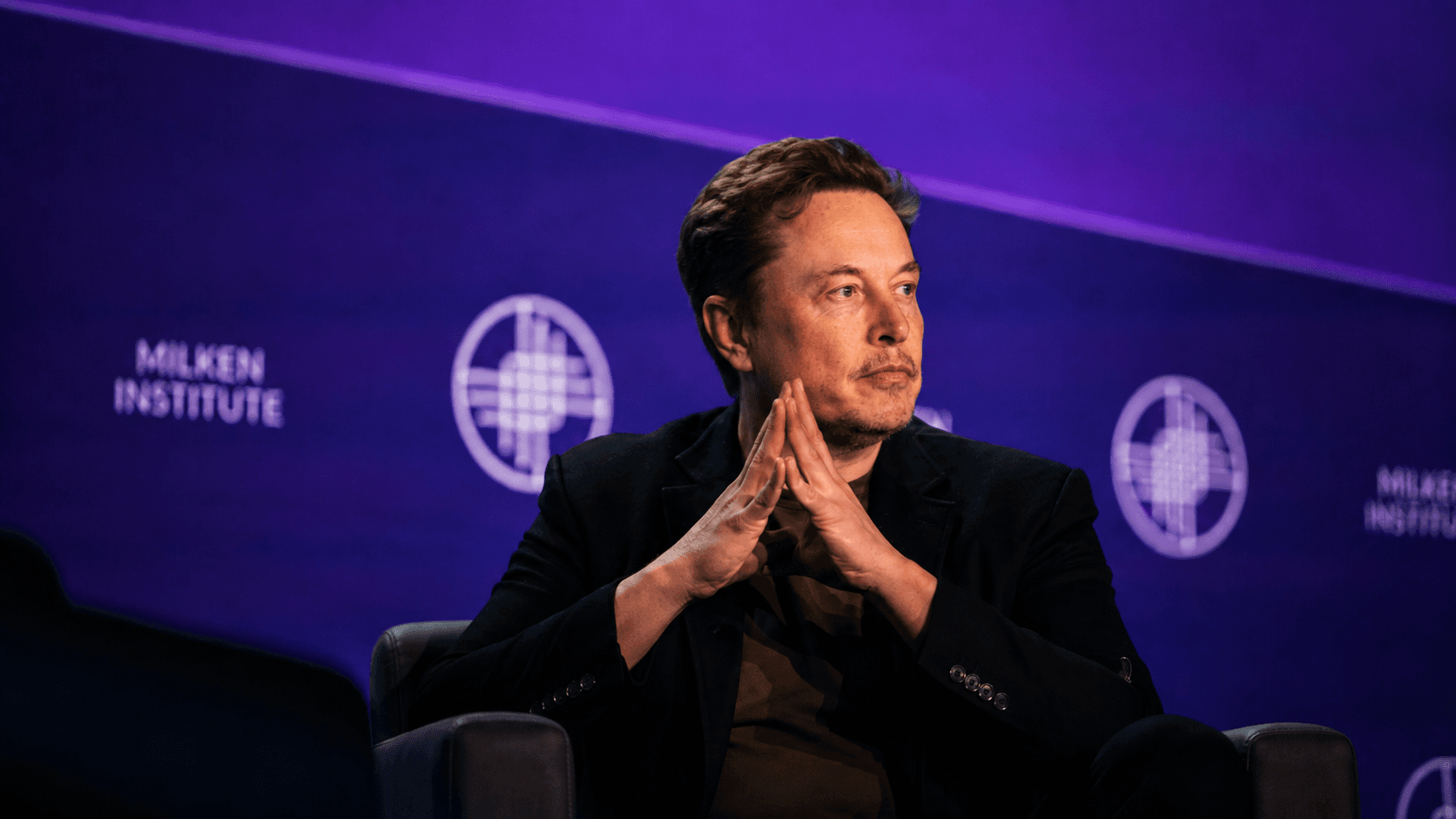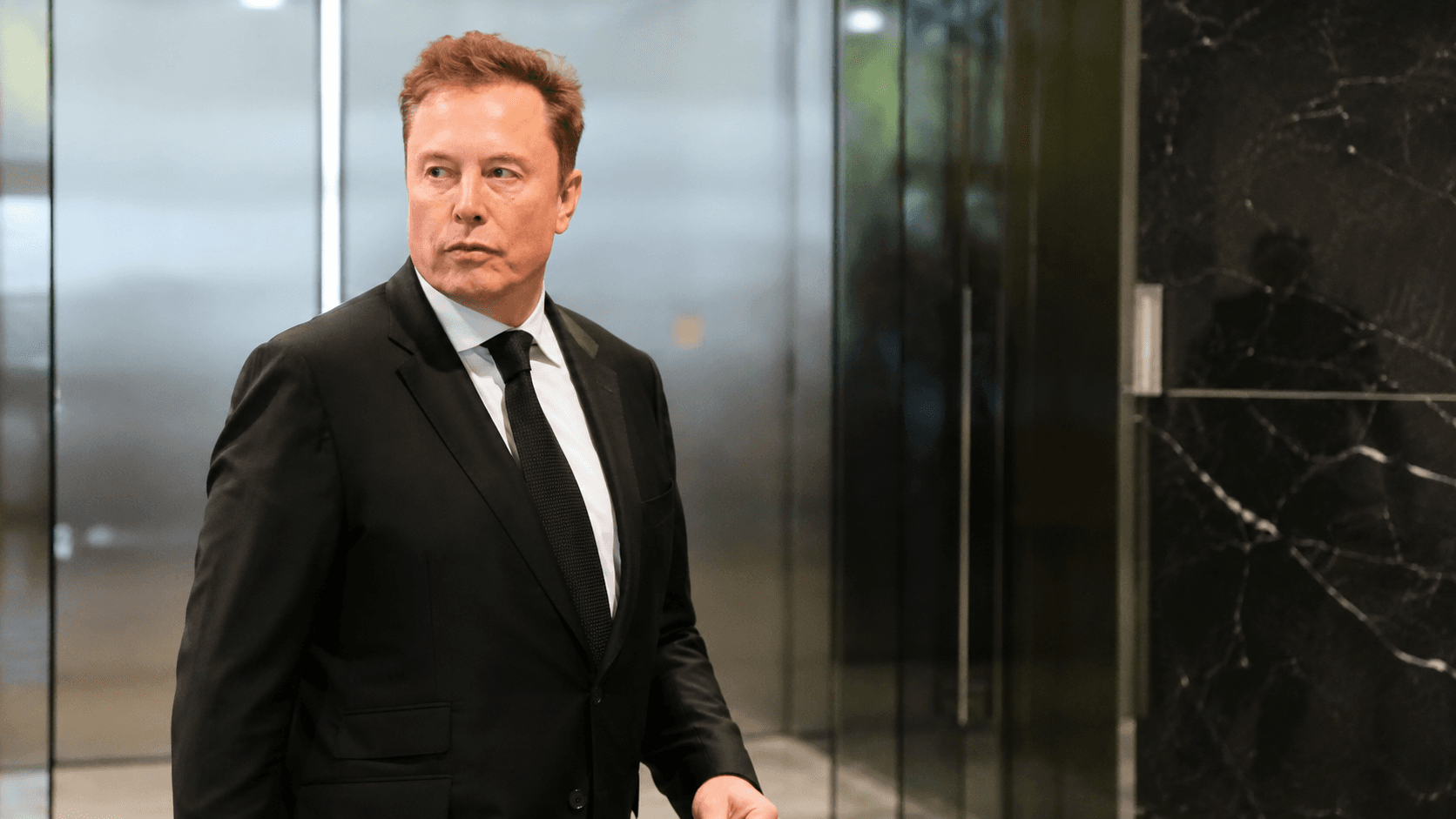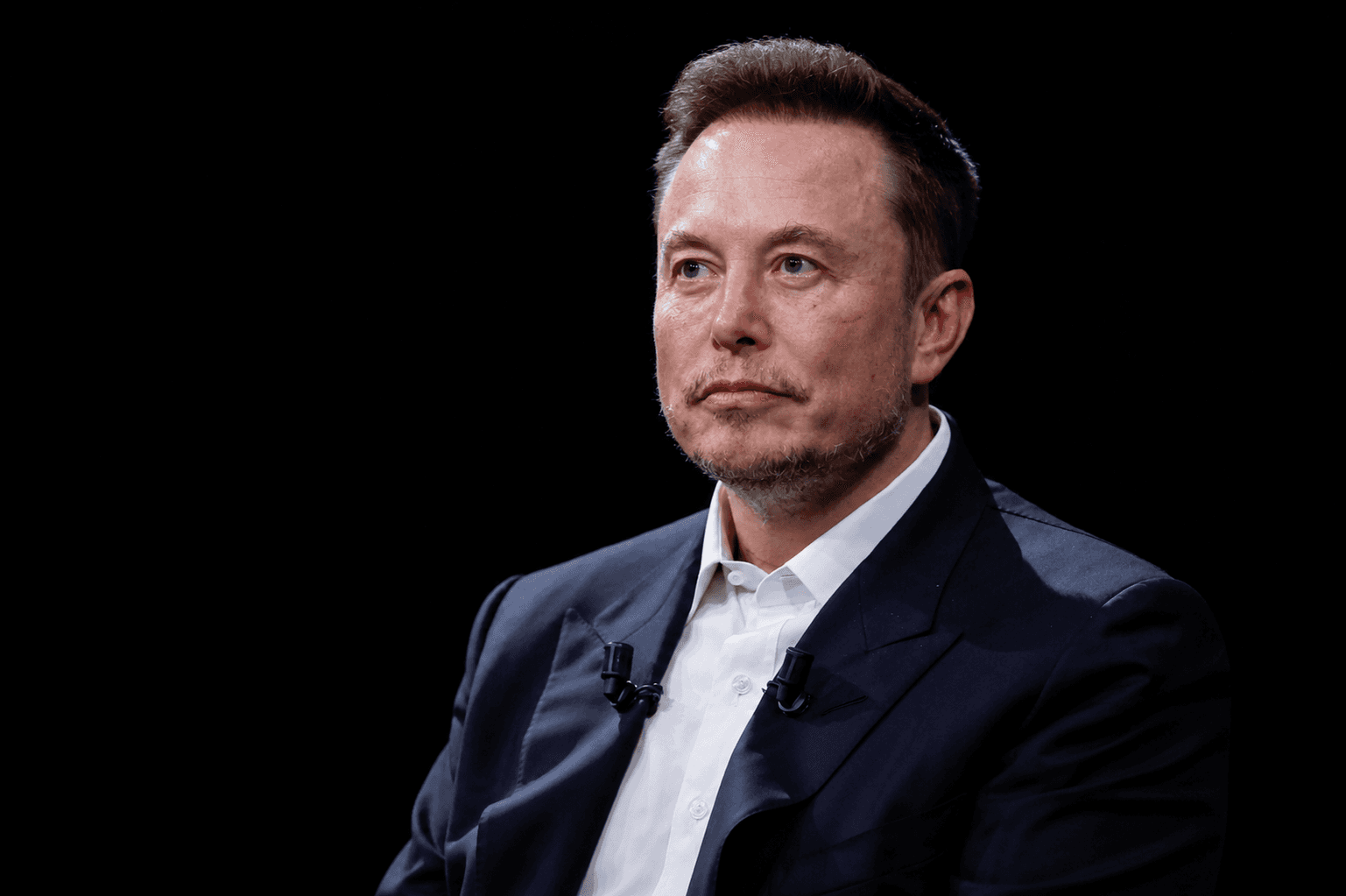
Elon Musk spent Wednesday on the witness stand in Musk v. Altman defending a 2017 campaign in which he froze $5 million quarterly payments to OpenAI, demanded majority control of its board, and began recruiting its researchers to Tesla and Neuralink while still serving as an OpenAI director. Under cross-examination by OpenAI lawyer William Savitt, Musk was walked through an email trail that contradicted parts of his earlier narrative about why his ties with the lab broke down. The third day of the trial, presided over by Judge Yvonne Gonzalez Rogers, drew OpenAI cofounder Greg Brockman to the gallery, where he watched Musk testify with a yellow legal pad in his lap.
The funding question landed first. Since 2016, Musk had been wiring $5 million per quarter to OpenAI as part of a $1 billion pledge he made when the nonprofit launched. In the spring of 2017 the payments stopped. An August 2017 email shown in court captured Jared Birchall, head of Musk's family office, asking whether to keep withholding the money. Musk's reply was one word: "Yes."
The board fight came next. September 2017 emails between Musk, Brockman, and Ilya Sutskever discussed the structure of what would become OpenAI's for-profit arm. Musk demanded four board seats for himself against three for the cofounders, a 4-to-3 split that would have given him voting control. "I would unequivocally have initial control of the company, but this will change quickly," Musk wrote.
Key facts
- 01Musk halted $5M quarterly payments to OpenAI in spring 2017, part of a $1B pledge he made at the lab's 2016 launch.
- 02September 2017 emails show Musk demanded the right to appoint four of seven board seats at OpenAI's planned for-profit arm.
- 03Musk recruited Andrej Karpathy to Tesla in June 2017 while still sitting on OpenAI's board, writing 'the openai guys are gonna want to kill me.'
- 04A February 2018 text told Shivon Zillis that Musk would 'actively try to move three or four people from OpenAI to Tesla.'
- 05OpenAI cofounder Ilya Sutskever rejected Musk's board-control demand, fearing it would concentrate too much power.
Sutskever rejected the proposal in writing, telling Musk it would concentrate too much power in one person. That refusal, according to OpenAI's framing of the case, is the moment the original nonprofit alliance broke. Musk lost the power struggle, departed the board in February 2018, and OpenAI restructured into a capped-profit company without him.
“Musk had been sending $5M quarterly payments since 2016 as part of a $1B pledge, then told his family office in August 2017 to keep withholding the money.”— Jaeden Schafer
What Savitt then surfaced was the parallel track Musk had been running. In June 2017, while still an OpenAI board member, Musk emailed a Tesla vice president that he had recruited OpenAI researcher Andrej Karpathy as director of Tesla Vision. "Andrej is arguably the #2 guy in the world in computer vision…The openai guys are gonna want to kill me, but it had to be done," Musk wrote. On the stand he argued Karpathy was already planning to leave: "If he's going to leave OpenAI, he might as well work at Tesla."
The recruiting did not stop with Karpathy. In October 2017 Musk wrote to Neuralink cofounder Ben Rapoport telling him to "hire independently or directly from OpenAI," adding that he had "no problem" if Neuralink pitched OpenAI staff. Pressed by Savitt on whether that was appropriate conduct for a sitting OpenAI director, Musk reframed the question as a labor-law issue. "It's illegal to restrict employment," he said. "You can't have some cabal that stops people from working at the company they want to work at."
A February 2018 text message to Shivon Zillis, then an OpenAI board member and now an executive at Neuralink and the mother of four of Musk's children, made the strategy explicit. "We are going to actively try to move three or four people from OpenAI to Tesla," Musk wrote. "More than that will join over time, but we won't actively recruit them." In the same exchange, Musk advised Zillis to stay "close and friendly" with OpenAI's board while the recruiting was underway.
Musk grew visibly frustrated during the cross-examination, repeatedly accusing Savitt of asking misleading questions and saying he could not recall key details. The proceedings were also slowed by objections and technical issues. Judge Gonzalez Rogers opened the day by reprimanding someone in the gallery for taking a photograph of Musk.
OpenAI's legal theory ties these threads together: that Musk's lawsuit against the company is not the principled defense of a nonprofit mission he describes, but the continuation of a 2017 fight he lost. The witness list ahead reinforces that. Birchall and Brockman are expected to testify next, and Zillis's role on the OpenAI board while Musk was recruiting from it is set to be examined more closely on Thursday.
Musk's defense, both legally and rhetorically, has been that everything he did in 2017 and 2018 was either standard practice or required by law. The harder question for the jury is whether withholding committed funding while sitting on the board, demanding 4-of-7 control of a successor entity, and texting a fellow board member about poaching three or four of her colleagues fits that description. The emails do not read like passive documentation.
This week's testimony, which builds on Tuesday's admission that Tesla is not pursuing AGI despite Musk's public claims, is reshaping the case into something narrower than the philosophical dispute Musk filed. It is becoming a fight over what a board member owed the organization he helped start, and whether the $5 million checks he stopped writing in 2017 were leverage or principle. For OpenAI, now valued by secondary markets near a trillion dollars, the trial is less about money than provenance — a public record of who tried to control the company before Sam Altman did.

Working on something we should cover, or seeing a story we missed? Send leads, documents, or feedback to hello@aichatdaily.com. For sensitive tips, see our secure tips page for Signal and PGP options.
Spotted an error? Email hello@aichatdaily.com with the URL and the issue, or read our full corrections policy.