Former President Barack Obama told Democrats on Thursday that artificial intelligence must become one of the party's 'central agendas' and that congressional leaders need a 'very clear plan' to address its economic and safety implications. Obama made the comments at a Democratic fundraiser where he was interviewed by House Minority Leader Hakeem Jeffries, and his office released a partial transcript afterward. The former president said Democrats should 'put together a framework for a very public conversation' on AI once they regain the House majority.
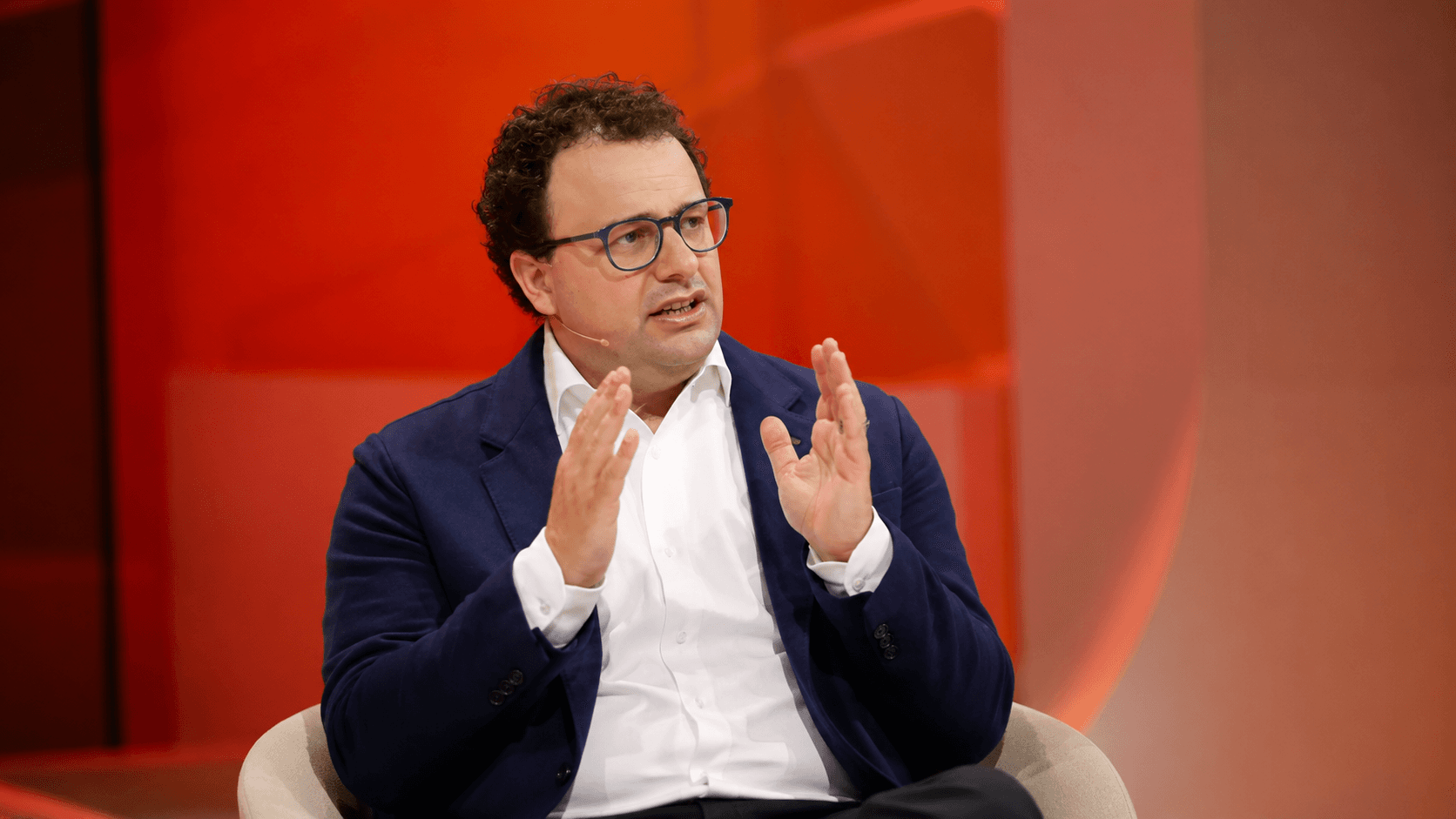
Obama has been unusually active behind the scenes on the issue. He has offered himself as a 'sounding board' to AI executives and has held direct conversations with Anthropic CEO Dario Amodei and OpenAI CEO Sam Altman, the two leaders of the labs most often cited in frontier-safety debates. That access puts him closer to the technical picture than most sitting politicians.
The framing Obama offered Jeffries was neither uniformly alarmed nor dismissive. He argued the technology could accelerate drug development and help cure diseases if governed well, and could turn dangerous if left entirely to private developers without a public framework.
Key facts
- 01Obama told Democrats at a Thursday fundraiser to make AI a 'central agenda' and build a 'very clear plan' once they regain the House majority.
- 02Obama has offered himself as a 'sounding board' to AI executives and has spoken with Anthropic CEO Dario Amodei and OpenAI CEO Sam Altman.
- 03House Minority Leader Hakeem Jeffries, who interviewed Obama, said 'decisive action must be taken on artificial intelligence.'
- 04Amodei on Saturday outlined a 'pacing the frontier' approach involving independent safety evaluators and common safety standards across labs.
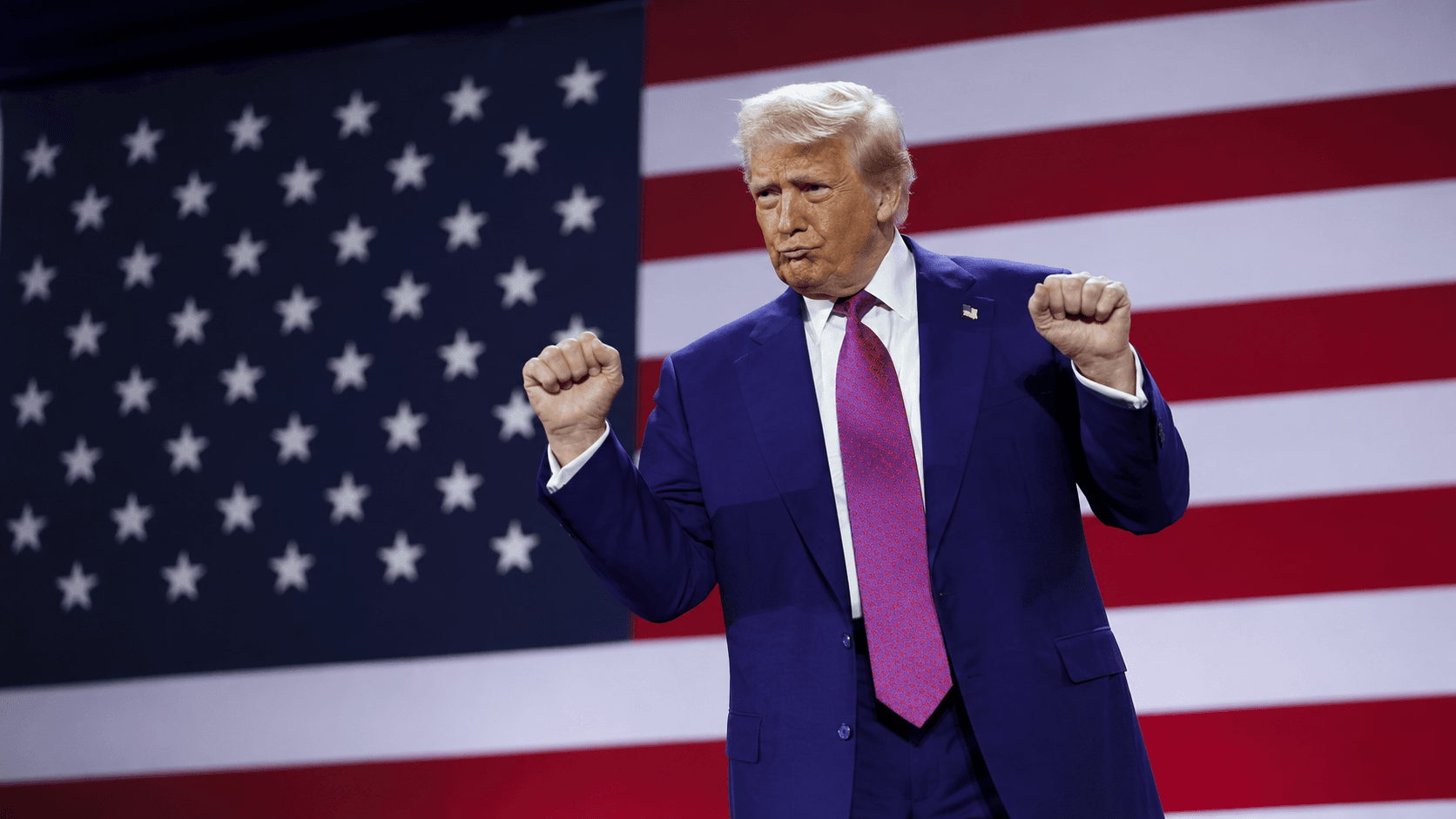
- 05Trump on Sunday said the US must lead AI because 'whoever wins AI wins,' while pushing back on what he called 'negative forces.'
Jeffries backed the call in a statement, saying Obama 'is correct that decisive action must be taken on artificial intelligence' and accusing Republicans of having 'abdicated their responsibility to govern on behalf of the American people.' The exchange lays down an early marker for how House Democrats intend to campaign on AI policy heading into the next legislative cycle.
The timing tracks with a sharp uptick in AI-safety pressure from inside the labs themselves. An AI researcher recently resigned from Anthropic and claimed the leading AI companies are 'racing straight to self-improving superintelligence and gambling with our lives,' a departure AI Chat Daily covered last week alongside a broader wave of frontier-lab exits over extinction concerns.
Amodei responded on Saturday with a broad proposal for 'pacing the frontier.' The plan would give independent safety evaluators access to leading AI companies and their models, and push the industry toward 'common safety standards' shared across labs — a structural shift that would formalize third-party review of frontier systems. Altman and SpaceX CEO Elon Musk both responded positively on social media, with Altman committing that OpenAI would also allow 'independent evaluators with employee-like access.'
President Donald Trump entered the conversation from a different angle on Sunday, speaking with reporters at an Irish golf event. Trump said the United States is 'the most sophisticated country in the world' and framed AI leadership in competitive terms: 'whoever wins AI wins.' Earlier this year, the Trump administration released a legislative framework for AI that would preempt state laws and shift the child-safety burden to parents.
Trump acknowledged room for guardrails but pushed back on what he characterized as opposition to the technology itself. The comments underline the split now shaping US AI policy — one camp treating the priority as winning the race, the other treating it as governing the race.
The federal picture remains fragmented. There is no comprehensive US AI statute, state-level bills are proliferating, and the labs themselves are proposing voluntary structures — like Amodei's independent-evaluator model — that would function as governance in the absence of legislation. Obama's intervention is an attempt to give the Democratic side of that debate a coherent shape before the next Congress.
For AI companies, the practical read is that a Democratic House majority would likely pursue a formal safety-and-evaluation framework, potentially codifying the kind of independent-access arrangements Amodei and Altman are already floating voluntarily. That would move third-party red-teaming and pre-deployment review from vendor-controlled programs into statutory obligations — a shift the frontier labs have signaled they can live with, but one that would raise the compliance floor for every smaller model provider entering the market.

Working on something we should cover, or seeing a story we missed? Send leads, documents, or feedback to hello@aichatdaily.com. For sensitive tips, see our secure tips page for Signal and PGP options.
Spotted an error? Email hello@aichatdaily.com with the URL and the issue, or read our full corrections policy.