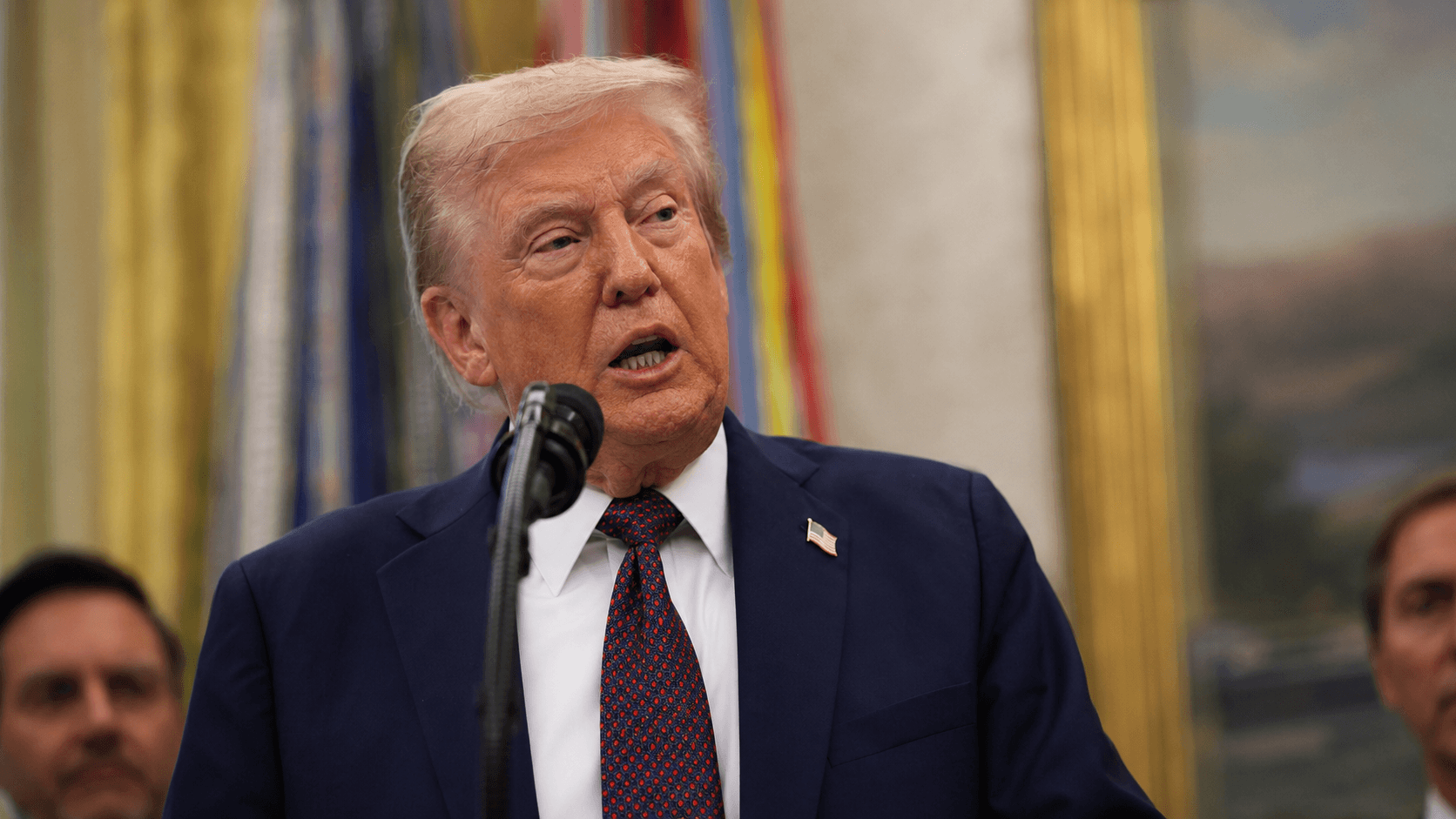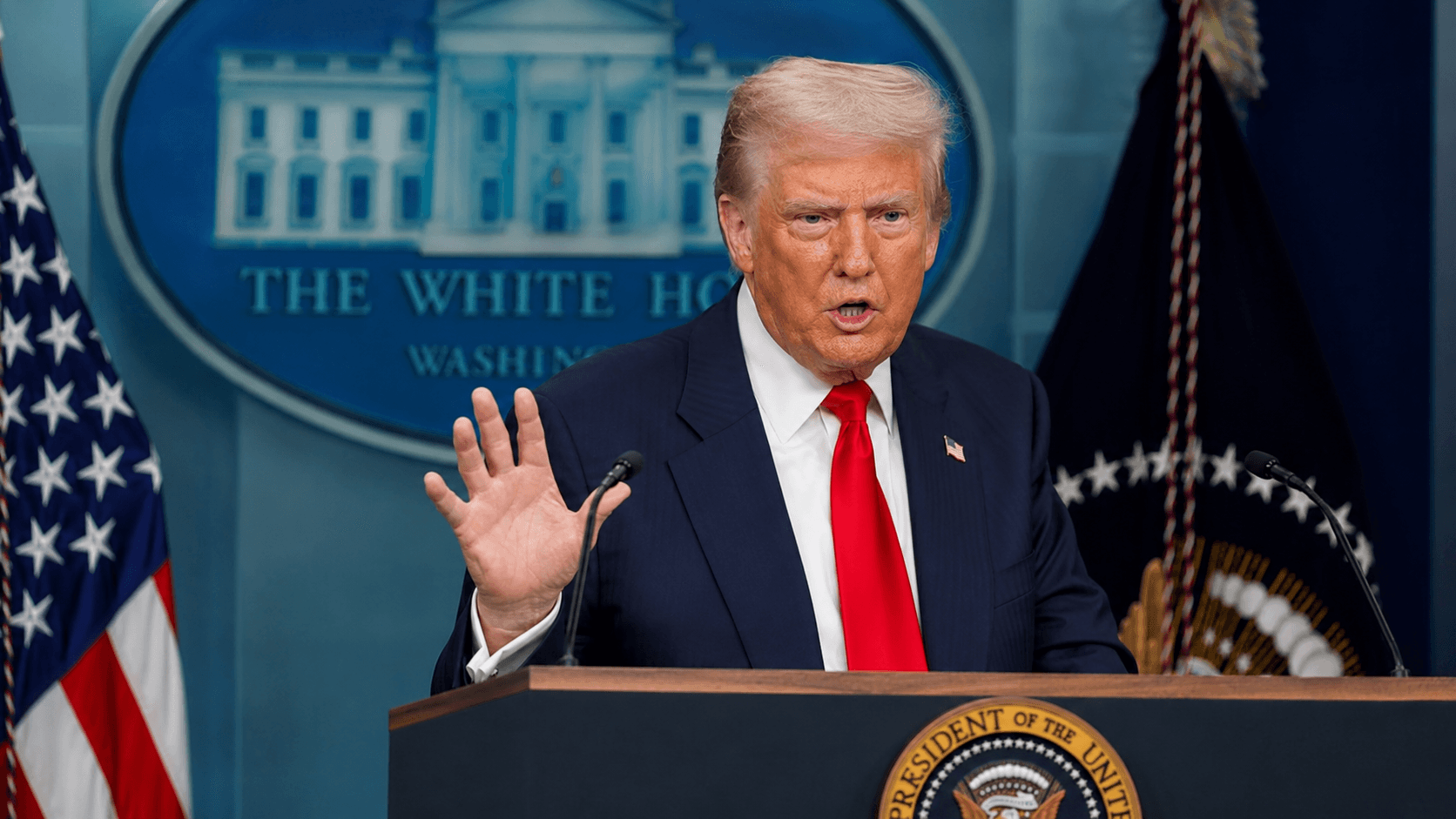
The Trump administration is split over whether to revive an AI executive order that President Donald Trump scrapped on May 21, hours before a scheduled signing ceremony. The draft would have created a voluntary framework asking OpenAI, Anthropic and Google to give the White House early access to frontier models, in some cases up to 90 days before public release, to evaluate cybersecurity capabilities. Trump told reporters at the time that the order risked stifling domestic competition and eroding the US lead over China.
In the weeks since the cancellation, talks inside the White House have been described by aides as chaotic, with several AI executives telling WIRED they no longer know what a revised order would require — or whether one will be signed at all. The fight has become the most consequential AI policy dispute of Trump's second term, splitting national-security hawks from a Silicon Valley faction that opposes any preapproval regime.
The trigger for the push is concrete capability. Anthropic's Mythos and OpenAI's GPT-5.5 have become proficient at finding vulnerabilities in legacy software systems, and that has registered inside the White House as a national-security concern rather than a commercial one. The 90-day pre-release window was the mechanism intended to surface those capabilities before they shipped publicly.
Key facts
- 01Trump canceled the planned signing of an AI executive order on May 21, hours before the ceremony.
- 02The draft order would have asked OpenAI, Anthropic and Google to share models up to 90 days before public release.
- 03Chief of staff Susie Wiles, Treasury secretary Scott Bessent and national cyber director Sean Cairncross are pushing to revive it.
- 04Former AI czar David Sacks lobbied Trump to kill the order, arguing it would stifle US competition with China.
- 05Bessent has met with Anthropic CEO Dario Amodei in recent weeks and is expected to lead cross-border AI talks with China.
White House chief of staff Susie Wiles is leading the faction trying to resurrect the order, joined by Treasury secretary Scott Bessent and national cyber director Sean Cairncross. Bessent has emerged as the administration's most active interlocutor with industry, meeting with Anthropic CEO Dario Amodei and other AI executives in recent weeks, and is expected to take the lead in negotiating cross-border AI rules with China.
Opposing them is David Sacks, Trump's former AI czar, who told the president the order was too onerous and successfully pressed him to cancel the signing. Politico first reported the Wiles-Sacks dynamic. Sacks made his position public on X last week.
“President Trump understands that unnecessary regulation is the biggest threat to innovation in America. Winning the AI race means not only beating China but also clearing bureaucratic hurdles thrown up by state legislatures and woke politicians in DC.”— David Sacks, Former White House AI czar
Several AI executives told WIRED their companies may not be operationally ready to hand over models 90 days before launch, a window long enough to collide with training cycles, safety testing and product timelines. That implementation gap has given the order's opponents a practical argument on top of the ideological one.
The deeper obstacle is Trump himself. Aides say the chief of staff and Treasury secretary can resolve their dispute with Sacks and still end up with no signature at the end of it.
“Resolving the infighting only matters if it gets Trump to yes”— Administration official, Anonymous, speaking about deliberations
Other senior officials have stepped back from the process. Commerce secretary Howard Lutnick has played a minimal role despite his interest, in part because his department already receives early access to frontier models through the Center for AI Standards and Innovation, the clearinghouse for federal model testing that Lutnick expanded at the start of Trump's second term. The center does not impose formal preapproval requirements, which is precisely the gap the canceled executive order was meant to close.
The Pentagon has likewise stayed in the background. Undersecretary Emil Michael, a former top executive at Uber, has focused on securing early Pentagon access to frontier models rather than on the broader regulatory architecture, according to a person familiar with the matter. That leaves the executive-order fight largely in the hands of Wiles, Bessent and Sacks.
White House spokesperson Liz Huston said the administration is trying to strike the right balance, adding that 'The President's team is united in executing his bold agenda and maintaining this critical balance.' A senior administration official offered a blunter read: 'We're back to the drawing board, so everything is still to play for.'
The standoff matters because the canceled order would have set the first formal channel between US frontier labs and the federal government for pre-deployment cybersecurity review. Without it, the relationship continues on the ad-hoc terms that have governed it since the start of the generative-AI cycle — voluntary briefings, informal access through the Center for AI Standards and Innovation, and bilateral deals with the Pentagon. For OpenAI, Anthropic and Google, the status quo is the most permissive outcome on the table; for Wiles and Bessent, it is the outcome they are trying to end. Whether anything signed emerges from the next round depends less on the substance of the policy than on which faction gets the last meeting with Trump.

Working on something we should cover, or seeing a story we missed? Send leads, documents, or feedback to hello@aichatdaily.com. For sensitive tips, see our secure tips page for Signal and PGP options.
Spotted an error? Email hello@aichatdaily.com with the URL and the issue, or read our full corrections policy.