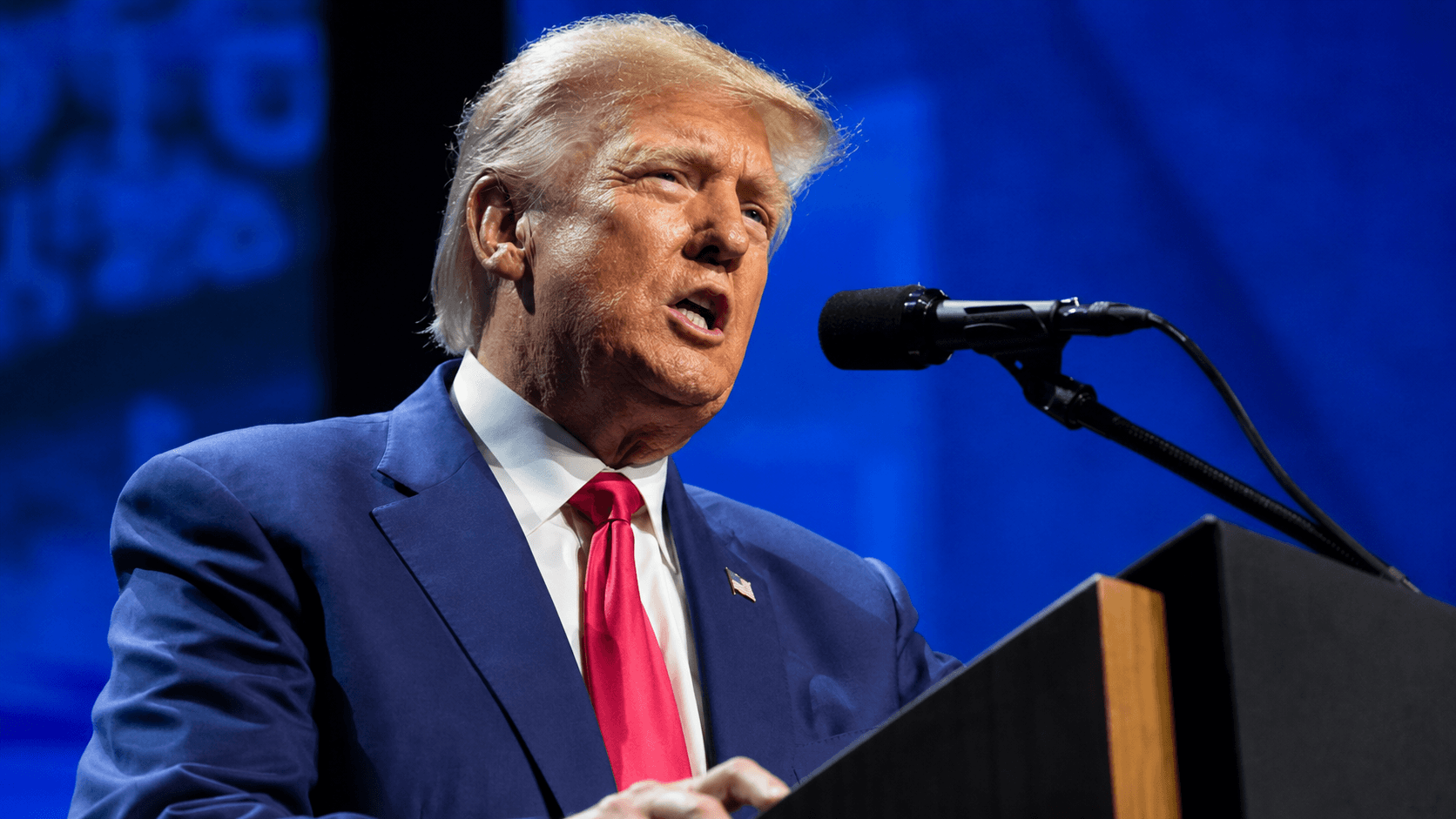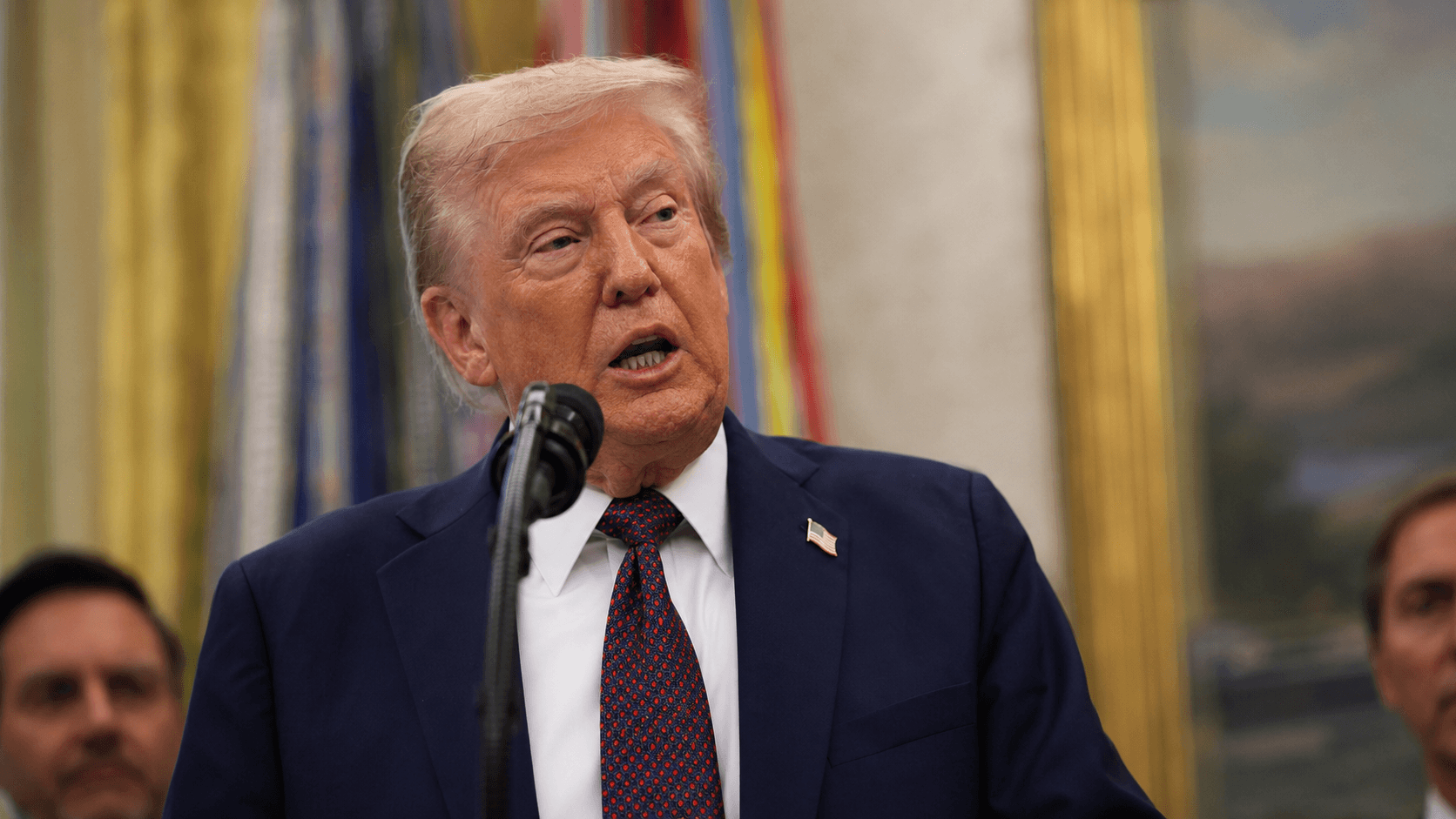
President Donald Trump and Chinese President Xi Jinping agreed that humans should always be involved in military decisions that use artificial intelligence, Treasury Secretary Scott Bessent said on Friday, November 20. Bessent called the agreement one of the major achievements of Trump's Asia trip, which included a bilateral meeting with Xi in Shenzhen, China, on November 19 on the sidelines of the Asia-Pacific Economic Cooperation leaders' meeting.
Speaking in a televised interview after returning from Shenzhen, Bessent said the agreement requires human involvement and other safeguards, and that AI should not be allowed to act autonomously in major military actions. He used the Trump administration's preferred shorthand for the technology, "SI," for superintelligence.
Bessent said the commitment stands apart from the competition between the two countries for AI leadership, and that the agreement would not be affected by that rivalry.
“But there's nothing to do with competition when it says that both sides agree that no major military operation should be launched without a human being involved”— Scott Bessent, US Treasury Secretary
Key facts
- 01Trump and Xi agreed humans should always be involved in AI-driven military decisions, Treasury Secretary Scott Bessent said Nov. 20.
- 02Bessent said AI should not act autonomously in major military actions and called the deal a major achievement of Trump's Asia trip.
- 03The two leaders met Nov. 19 in Shenzhen, China, on the sidelines of the APEC leaders' meeting.
- 04Bessent said Nvidia's H200 remains the most advanced chip China can buy, and only with US licenses.
- 05Trade details fall to a fourth Trump-Xi meeting expected at the G20 summit in Miami in mid-December.
He also said US AI labs must keep their lead, calling it the best defense against Chinese AI models that he described as dangerous and said are being used in cyberattacks.
On chips, Bessent said Nvidia's H200 remains the most advanced chip China can buy, and only with licenses. He said Chinese buyers have placed few H200 orders as China tries to build its own chip stack.
“I think what we have seen is a paucity of orders from the Chinese on the H200s as they try to build out their own chip stack, and I think that they are probably many years behind”— Scott Bessent, US Treasury Secretary
The remarks come days after the Commerce Department took steps on Monday to further restrict China's access to advanced AI chips, including chips used by overseas data centers where Chinese entities rent computing power. Bessent said he expects the proper chip restrictions to be in place and remote access to be curtailed. He said spying allegations involving former Nvidia CEO Jensen Huang and a Chinese national did not come up in the bilateral meeting.
Trump, Xi and Russian President Vladimir Putin also met in Shenzhen on Thursday. In a joint declaration, the three leaders reaffirmed that "a nuclear war cannot be won and must never be fought." Bessent said the talks included a robust discussion on trade policy and AI, as well as on what can be done to contain the growth of nuclear weapons.
Bessent did not detail specific trade outcomes from Shenzhen. Finalizing proposed tariff cuts on about $30 billion in non-strategic imports under the "Board of Trade" process, along with the fate of the current tariff truce, appears to fall to a fourth Trump-Xi meeting at the G20 leaders' summit in Miami in mid-December.
Bessent said he is approaching that summit with a realistic view and that the United States does not want to decouple economically from China. "We just need to de-risk," he said.

Working on something we should cover, or seeing a story we missed? Send leads, documents, or feedback to hello@aichatdaily.com. For sensitive tips, see our secure tips page for Signal and PGP options.
Spotted an error? Email hello@aichatdaily.com with the URL and the issue, or read our full corrections policy.