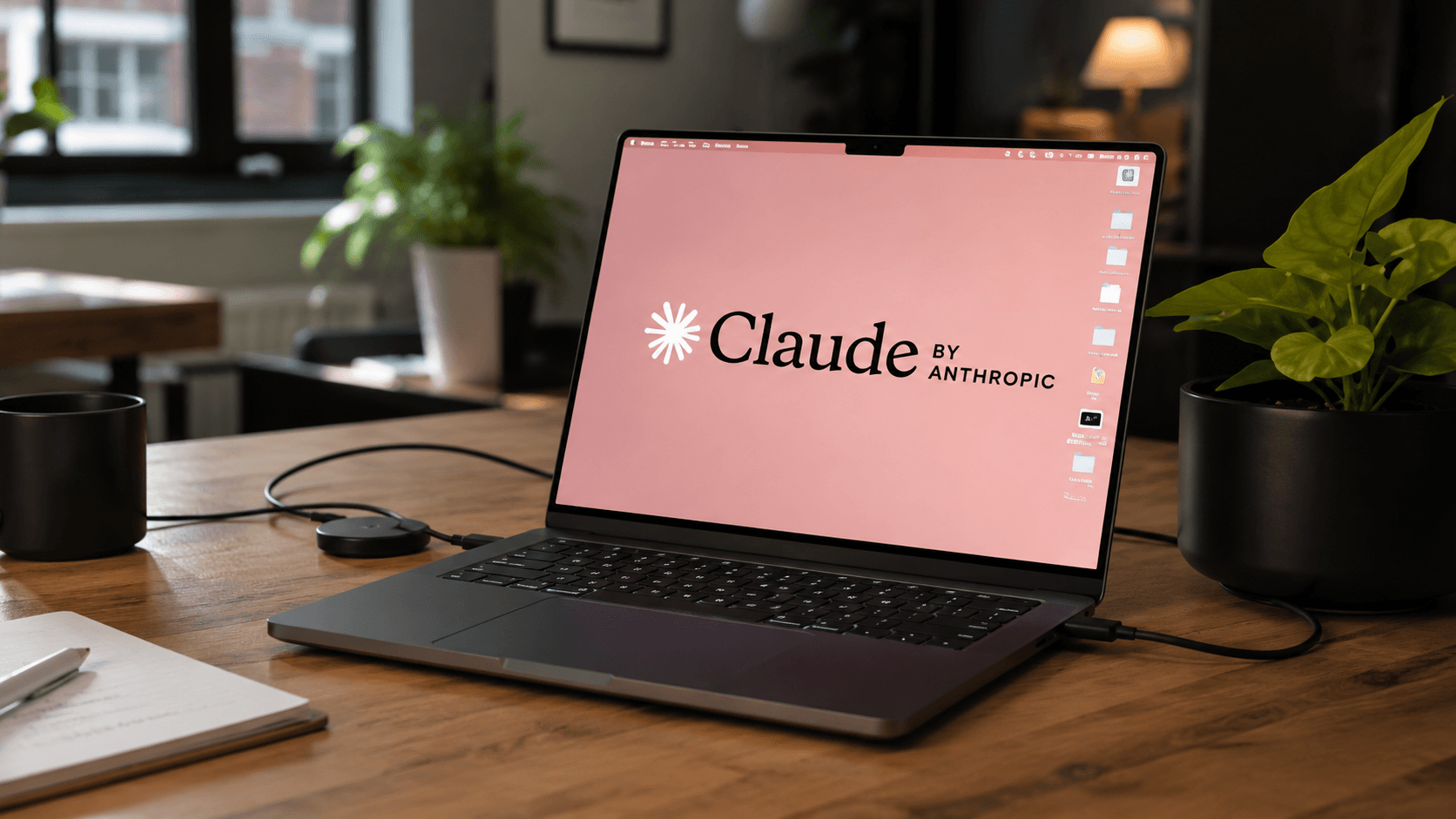
Anthropic on Thursday launched a reflection dashboard for Claude that lets users analyze how they've used the chatbot over the past month, three months, six months, or year. The feature, which the company is calling 'reflect,' is available in beta to free users as well as Pro and Max subscribers, and works for anyone who has memory turned on. It rolls out on July 9, 2026, via Settings on both the web app and the Claude desktop client.
The dashboard opens with a summary of the topics a user brings up most often, the categories of tasks they delegate to Claude, and their usage patterns, including peak hours. Users can set 'quiet hours' or break reminders after certain amounts of continuous use. Anthropic said an aggregate hours-of-usage metric is coming soon but is not in the initial release.
Anthropic framed the tool as a way to 'see your patterns and shape them,' a phrase that leans hard into the company's ongoing positioning of Claude as a thinking aid rather than a task replacement.
“It lets you easily track and visualize how you use Claude, and decide whether that time aligns with your goals … Your reflection also invites you to step back and examine the role Claude plays in your life.”— Anthropic, company blog post
Key facts
- 01Anthropic launched a Claude 'reflect' dashboard on July 9, 2026, offering usage analysis over 1, 3, 6, or 12 months.
- 02The feature surfaces top topics, delegated task types, and peak usage times, with total-hours tracking promised later.
- 03It's available in beta to free, Pro, and Max users with memory enabled, via Settings on web or the desktop app.
- 04The dashboard periodically prompts users with reflection questions like what they want to keep doing themselves.
- 05Claude Cowork will get the feature 'soon,' Anthropic said.
The reflection view also shows examples of how a user interacts with Claude — 'like noting that you often rework email drafts in your own voice, or delegate tasks only after settling the strategy yourself,' Anthropic wrote. The company said the goal is to help users 'build AI skills that support your original thinking.' Periodically, the dashboard surfaces reflection prompts asking users to consider what they want to keep doing themselves.
There is a mild irony baked into the design: once a user answers one of those reflection prompts, Anthropic said the dashboard offers 'the chance to talk it through with Claude.' The introspection loop terminates back in the chatbot.
“What's one thing you want to keep doing yourself, even if Claude could do it faster?”— Anthropic, company blog post
On privacy, Anthropic said the dashboard does not pull from files inside connected tools — the underlying emails in a linked inbox, for example, are not read — though the fact that a user asked Claude to summarize their inbox may surface as a pattern. Chats in incognito mode are excluded, as is anything routed through a health integration tool. For 'sensitive topics,' which the company did not precisely define, Anthropic said such conversations 'can still appear as part of your reflection, but only at a high level.'
The feature originated in user interviews, according to Anthropic, and will come to Claude Cowork, the company's team-collaboration product, at an unspecified later date.
The framing borrows from the Spotify Wrapped playbook, which has since spawned year-in-review features on YouTube, Uber, and a widening set of consumer apps. Claude's version is more open-ended — the user picks the window rather than waiting for a December drop — and it is pitched less as social sharing and more as personal audit.
The obvious question is whether users actually want a dashboard that gently suggests they use the product less. Anthropic has spent heavily marketing Claude as an 'AI collaborator' that augments rather than replaces human thinking, running ad campaigns, billboards, and branded 'thinking' caps around that message. A usage-reflection tool is consistent with that positioning, but it also cuts against the standard consumer-software incentive to maximize session time and daily active users.
That contrast is the story worth watching. Anthropic's run-rate revenue growth, most of it enterprise, gives it more room than most consumer AI companies to build features that lower engagement in exchange for user trust. If reflect drives higher retention and higher willingness to pay for Pro and Max — because users feel the product respects their time — it becomes a template competitors will have to answer. If usage simply drops, it becomes an expensive branding exercise. Either way, it's a rare instance of an AI vendor asking its users, in the product itself, which tasks they should not be handing over.

Working on something we should cover, or seeing a story we missed? Send leads, documents, or feedback to hello@aichatdaily.com. For sensitive tips, see our secure tips page for Signal and PGP options.
Spotted an error? Email hello@aichatdaily.com with the URL and the issue, or read our full corrections policy.