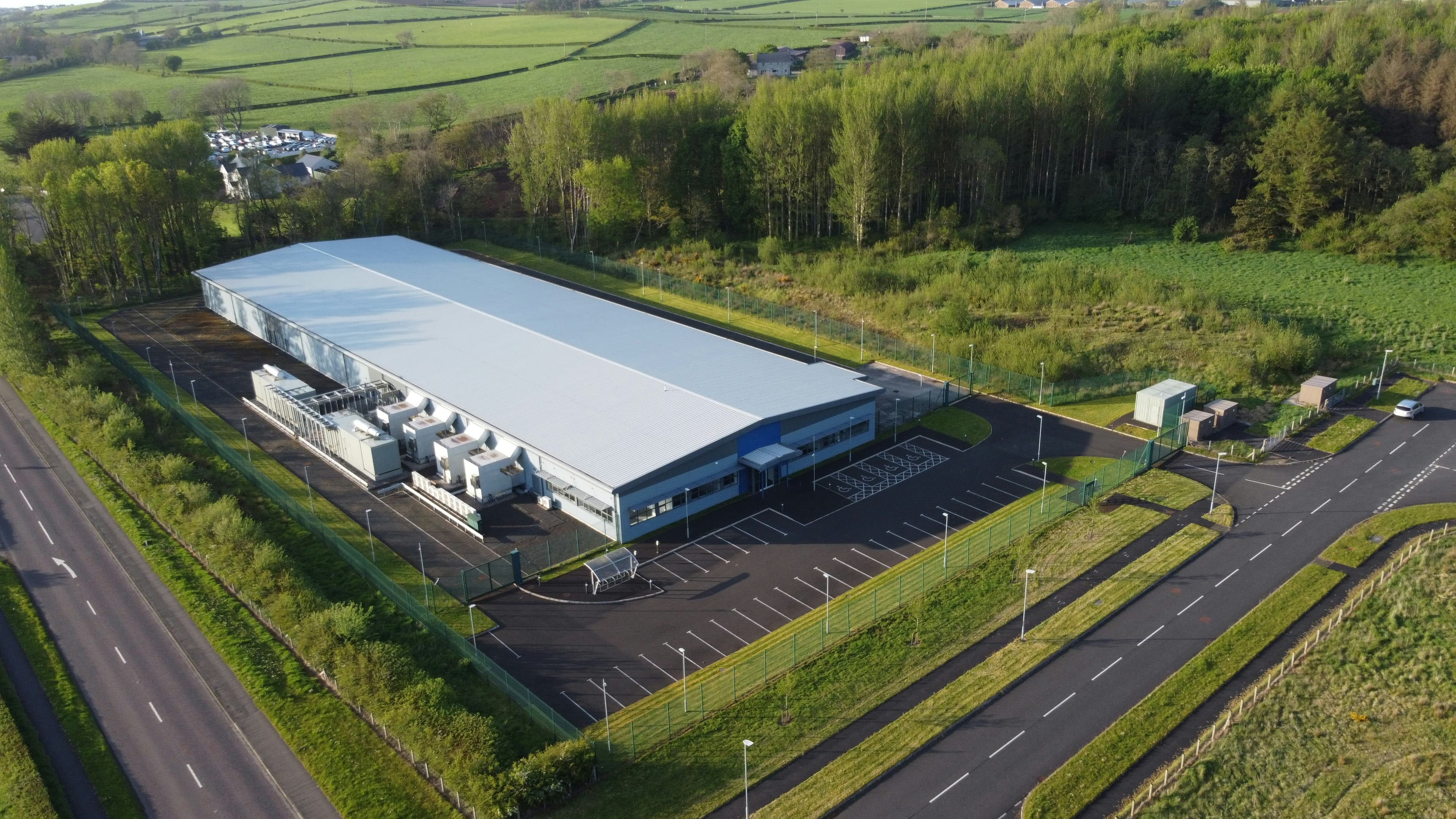
AI data center demand is driving Rust Belt factory electricity bills to levels that threaten the economics of US manufacturing. In the 13-state region served by PJM Interconnection, capacity prices have climbed from $28.92 per megawatt-day in 2024 to $329.17 per megawatt-day in 2026, an eleven-fold jump that flows straight through to industrial power bills. Ohio steelmaker Metallus says its electricity costs are up 70% since 2024, adding roughly $15 million to annual operating expenses.
The squeeze is not confined to steel. Belden Brick Company, a 141-year-old brick manufacturer in Ohio, has watched its monthly electricity bill climb from $1,600 to $12,000, driven by PJM's higher capacity charge. Factory power bills across the region are rising faster than those for commercial or residential customers, according to a Reuters analysis that tracked the divergence through the 2026 auction cycle.
Steel is uniquely exposed. Electricity accounts for 20 to 40 percent of total steel production costs, and each electric arc furnace draws between 40 and 200 megawatts when running. The entire US steel industry pulls up to 11 gigawatts at peak. The Steel Manufacturers Association says its members are collectively paying tens of millions of dollars in additional annual power costs, with executives now warning that production outages could follow if local grids get overwhelmed.
Key facts
- 01PJM capacity prices jumped from $28.92 per megawatt-day in 2024 to $329.17 per megawatt-day in 2026.
- 02Ohio steelmaker Metallus says electricity costs have risen 70% since 2024, adding $15M in annual expenses.
- 03Belden Brick's monthly power bill climbed from $1,600 to $12,000 under PJM's new capacity charges.
- 04PJM forecasts a 6.6-gigawatt supply shortfall starting in 2027, equal to more than six nuclear plants.
- 05The US cancelled 266 GW of power projects in 2025, 93% of them clean energy.
The irony is that data center construction is itself a customer for the steel industry, requiring roughly 1 million tons per year. That demand tailwind is being wiped out on the cost side by the power draw of the same buildings. Some manufacturers have raised customer prices to offset the pain; others are studying relocation out of PJM territory entirely.
PJM has forecast that electricity demand in its footprint will outstrip available supply by 6.6 gigawatts starting in 2027, a gap the equivalent of more than six nuclear power plants. States including Ohio and Indiana have aggressively courted AI data center projects while doing little to expand generation, leaving the shortfall to be priced into capacity auctions that industrial ratepayers must clear.
The White House response has leaned on voluntary commitments. Big Tech companies have been asked to sign a Ratepayer Protection Pledge covering new generation and transmission investment, though the pledge carries no enforcement mechanism. The administration also joined state governors in pressing PJM to hold a one-time backstop capacity auction, a stopgap that does not address the multi-year lag on new build.
The supply picture is getting worse before it gets better. In 2025, US power projects totaling 266 gigawatts of generation capacity were cancelled, a figure equal to about 25% of current national generating capacity and larger than all of Texas' generation, according to Michael Thomas, CEO of the Cleanview data platform. Clean energy projects made up 93% of those cancellations. Contributing factors include federal action against wind projects, local opposition in states also chasing data center investment, and rising interconnection costs where new transmission is lacking.
The political framing is awkward. The Trump administration has championed both a manufacturing revival and the AI data center buildout, but the two goals are now pulling against each other on the grid. Manufacturing employment fell by 83,000 jobs in Trump's first year back in office, and steel and brick executives are pointing directly at power costs as a growing headwind. Cancelling clean energy projects while data center loads accelerate widens the very supply gap that is driving factory bills up.
There are still open variables. Behind-the-meter generation deals between hyperscalers and nuclear, gas, or geothermal developers could take some data center load off the shared grid. PJM's next auction cycle may bring in new supply if the price signal is high enough for long enough. And industrial customers can negotiate long-term contracts that lock in rates below spot capacity prices, though the largest steelmakers say those options are narrowing as generators prioritize hyperscale buyers.
The market implication is that AI infrastructure and heavy industry are now competing for the same scarce electron, and the pricing mechanism is handing the win to whoever can pay the most per megawatt-hour. Data centers can. Brick and steel plants cannot, at least not indefinitely. If US policymakers want both an AI buildout and a manufacturing base in the same states, the fix is generation and transmission at scale, not pledges. Until then, every gigawatt that lands in a PJM data center is a bill increase for the factory next door.

Working on something we should cover, or seeing a story we missed? Send leads, documents, or feedback to hello@aichatdaily.com. For sensitive tips, see our secure tips page for Signal and PGP options.
Spotted an error? Email hello@aichatdaily.com with the URL and the issue, or read our full corrections policy.