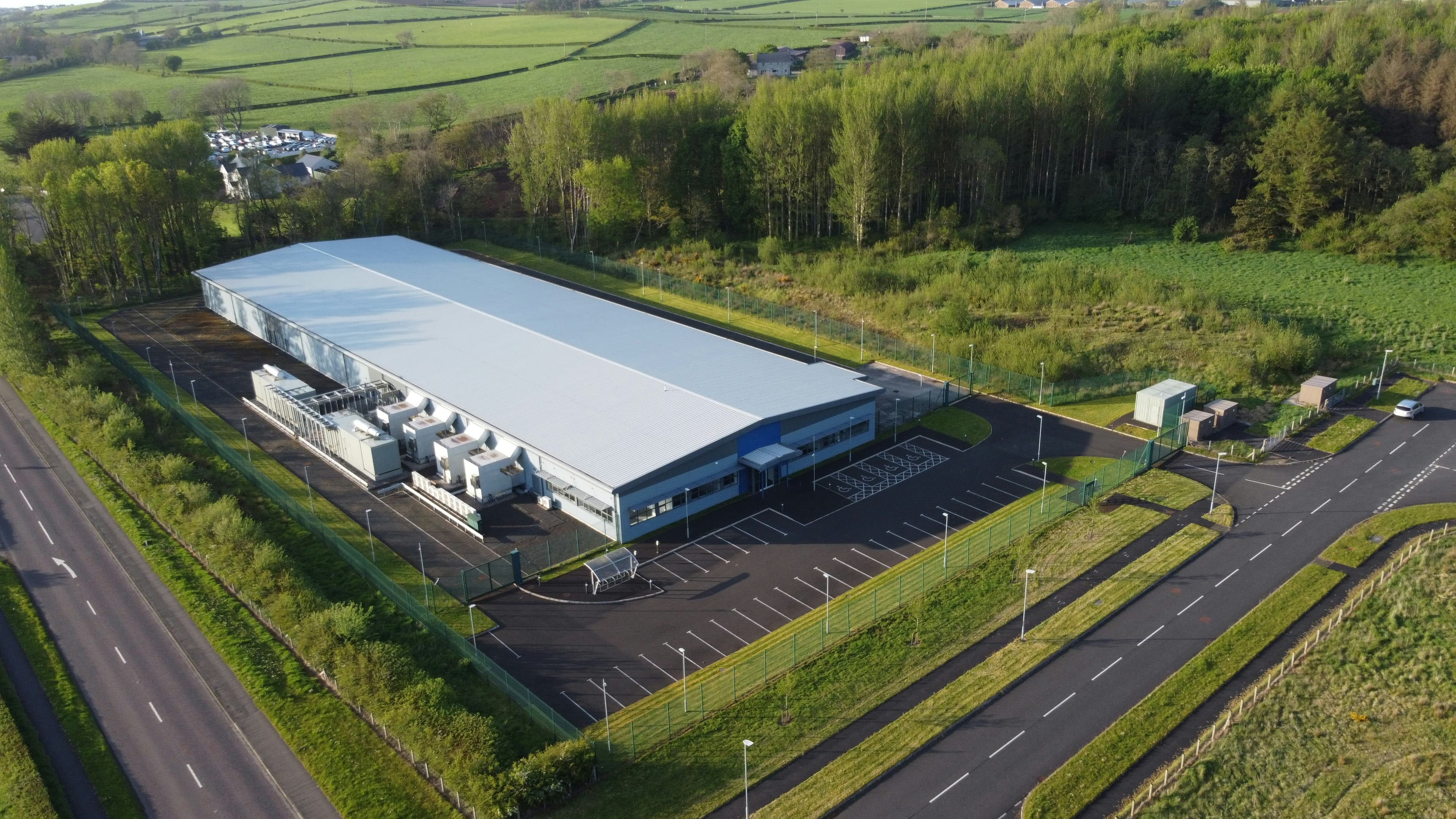
PJM Interconnection, the largest electrical grid operator in the United States, will begin cutting power to data centers during supply shortages starting June 2027, after its most recent capacity auction failed to bring enough new generation online. The curtailments will apply to facilities drawing 50 megawatts or more, and PJM will compensate operators whose power is interrupted under a demand response framework that has existed for decades. The grid covers 67 million customers from Virginia to Illinois, and wholesale electricity prices across that footprint have nearly doubled over the last year.
The scale problem is not subtle. Data centers are projected to use 4x more electricity by 2035 than they do today, driven almost entirely by AI training and inference workloads. PJM's independent market monitor has blamed data centers for much of the recent price spike, and the operator is now running another auction to add capacity while it works out the mechanics of curtailment.
Advance notice under demand response programs typically ranges from 30 minutes to a few days, depending on how far out grid operators can forecast a shortfall. That window is workable for a steel mill or a chemical plant, both of which have long served as demand response participants. It is a harder fit for a hyperscale AI data center running training jobs or serving live inference to millions of users.
Key facts
- 01PJM Interconnection will begin curtailing power to data centers 50 megawatts or larger starting June 2027.
- 02Data centers are projected to use 4x more electricity by 2035 than they do today.
- 03Wholesale electricity prices in PJM's territory nearly doubled over the last year, which the grid's independent market monitor attributed largely to data centers.
- 04Federal rules cap diesel backup generator use at 50 hours per year for demand response and 100 hours for emergencies and maintenance.
- 05PJM covers 67 million customers across a territory stretching from Virginia to Illinois.
The likely response from operators is on-site power. New data centers will build their own generation, and existing ones will lean harder on backup diesel generators, which are costlier per kilowatt-hour and more polluting than grid supply. Federal rules cap diesel use at 50 hours per year for demand response events and 100 hours per year for emergencies and maintenance, meaning operators cannot simply run generators through every curtailment window without hitting regulatory ceilings.
The environmental math is already contested. This week, Vantage Data Centers drew scrutiny for its apparent coordination with Virginia environmental regulators to cast doubt on a report finding that diesel backup generators at a 96 megawatt data center in Northern Virginia could contribute to tens of millions of dollars in annual health damages for nearby residents. Northern Virginia hosts the densest concentration of data centers in the world, and the region has become the primary test case for how AI infrastructure and local communities coexist.
For AI companies, the June 2027 date is close enough to matter for capital planning and far enough away to still shape site selection. Operators building new capacity in PJM territory now have to price in the possibility of forced curtailments and the cost of behind-the-meter generation, whether gas turbines, fuel cells, or eventually small modular reactors. Several hyperscalers have already announced nuclear power purchase agreements, and the PJM decision strengthens the case for owning generation outright rather than relying on the grid.
The alternative is siting outside PJM entirely. Texas, the Pacific Northwest, and several overseas markets have become more attractive as the cost and reliability profile of grid power in the Mid-Atlantic and Midwest has degraded. That reshuffling has knock-on effects for latency-sensitive workloads and for the tax bases of jurisdictions that have spent the last decade courting data center investment.
PJM's move is not a shutdown order. Curtailment events are expected to be rare and short, and participating operators are paid for the capacity they make available to the grid. The bigger signal is that the era of assuming unlimited grid supply for AI buildouts is over in the country's largest wholesale power market, and that the industry now has to internalize costs it previously externalized.
There are still open questions. PJM has not published the full mechanics of how it will select which facilities to curtail during a given event, how notice will be delivered, and how compensation will be structured against a data center's own opportunity cost from paused workloads. The next capacity auction result will also matter — if new generation comes online at scale, the frequency of curtailment events could be lower than operators are pricing in.
The PJM decision reframes the AI infrastructure story from a pure capex race into a power-procurement race. Compute is only useful if the electrons show up, and the operators who lock in dedicated generation — through PPAs, on-site build, or acquisition of legacy generating assets — will have a structural advantage over those still betting on grid interconnects that regulators can now legally throttle. Expect more nuclear deals, more behind-the-meter gas, and a widening gap between AI companies that treat power as a strategic asset and those that still treat it as a utility line item.

Working on something we should cover, or seeing a story we missed? Send leads, documents, or feedback to hello@aichatdaily.com. For sensitive tips, see our secure tips page for Signal and PGP options.
Spotted an error? Email hello@aichatdaily.com with the URL and the issue, or read our full corrections policy.