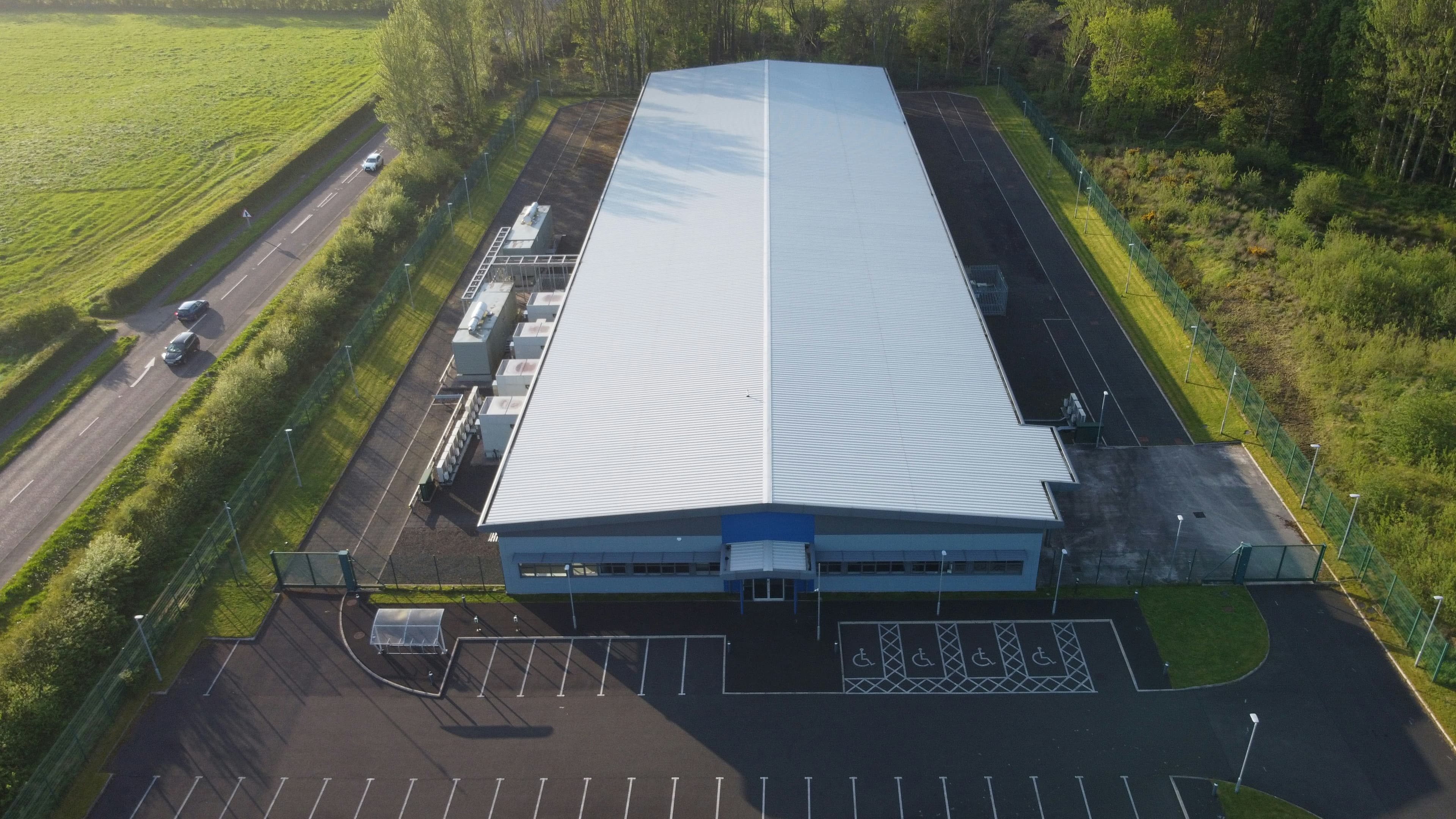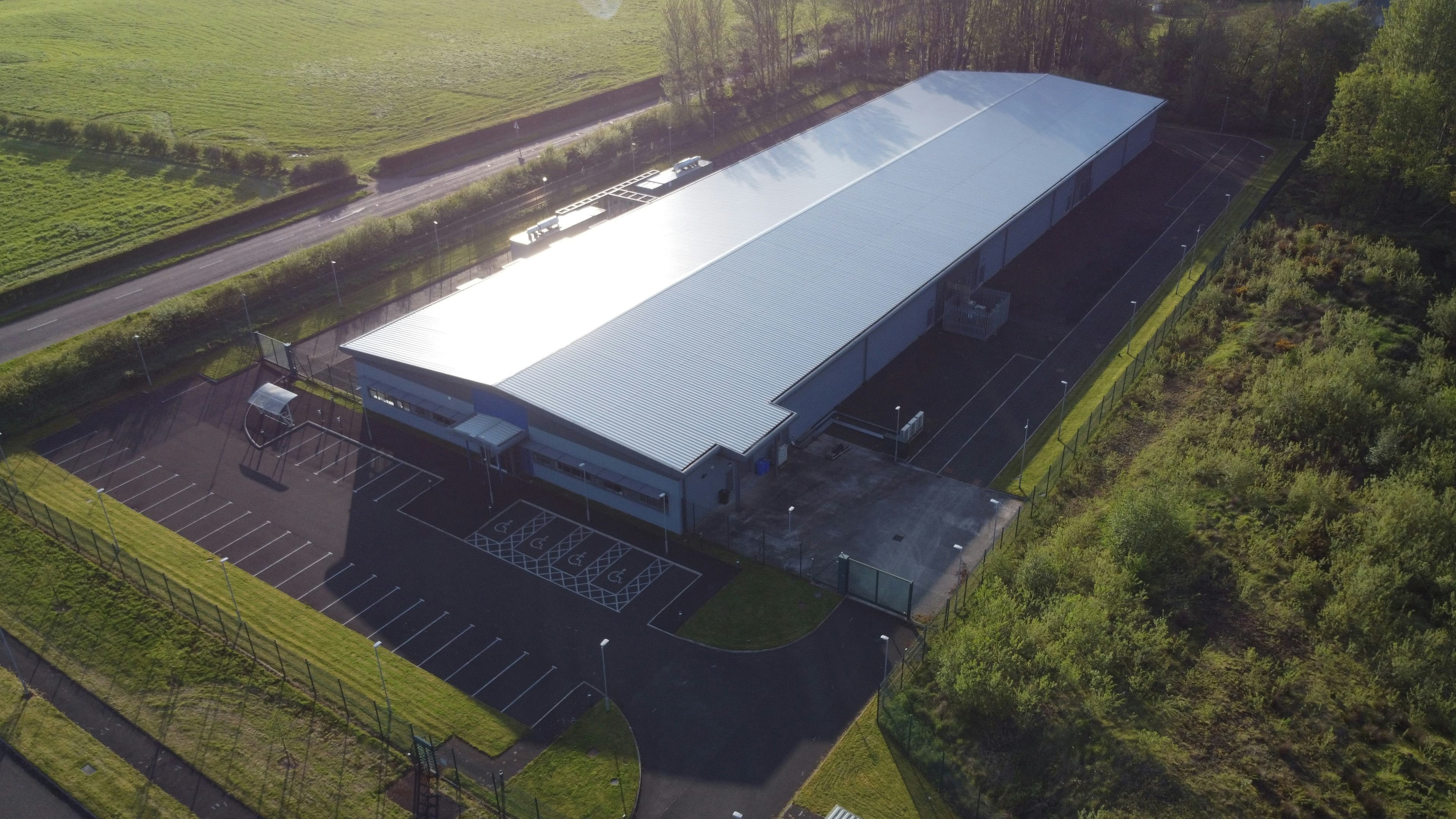
Aluminum prices climbed 20% since late February as conflict in the Gulf region—which produces 10% of global supply—tightens availability, pushing recycling startups Amp and Sortera to scale AI-powered sorting infrastructure. Sortera opened a second facility in Tennessee this month, doubling the Indiana-based company's processing capacity to 240 million pounds annually, a figure representing roughly 5% of the 4.3 million metric tons the U.S. consumed last year.
The new Tennessee plant processes scrap metal at 90% to 100% aluminum purity using sensor arrays that include lasers, cameras, and X-ray fluorescence to classify potato chip-sized aluminum fragments by alloy grade. That grade-level precision lets Sortera extract higher per-pound margins—aluminum trades above $1,000 per ton despite making up just 1% of the waste stream by volume.
Amp takes a different approach, deploying AI vision systems across both recycling and general waste facilities to identify aluminum foil, cans, and wrappers amid mixed streams. The system combines visible-light and infrared cameras with robotic arms and air puffers that sort materials into bins as they pass on conveyor belts. Amp claims over 90% accuracy at recovering specific materials including aluminum.
Key facts
- 01Aluminum prices are up 20% since late February, driven by conflict affecting Gulf region production—10% of global supply.
- 02Sortera opened a second Tennessee facility doubling its capacity to 240 million pounds, nearly 5% of the 4.3 million metric tons the U.S. used last year.
- 03Amp's AI sorting system achieves over 90% accuracy recovering aluminum and other materials from mixed waste streams.
- 04The U.S. recovers only 20% of aluminum despite it being one of the most recycled materials, leaving half of metro-area aluminum in landfills.
- 05Aluminum trades above $1,000 per ton despite representing just 1% of the garbage stream by volume.
The U.S. government designated aluminum a critical mineral well before the recent price spike, flagging import dependence and domestic production gaps. Only 20% of aluminum is recovered in the U.S. according to the EPA, leaving half of metro-area aluminum in landfills even in cities with active recycling programs.
“Half of the aluminum in a metro area — in places with successful recycling programs — are just in the garbage, not even touching the recycling system.”— Matanya Horowitz, CTO at Amp
Amp's CTO Matanya Horowitz frames the opportunity around the gap between aluminum's small volumetric share and its outsize economic value—aluminum scrap is one of the highest-value commodities in municipal waste by weight. Sortera and Amp are positioning AI as the unlock: better classification of mixed scrap and deeper penetration into the general waste stream that recycling programs miss.
The Gulf conflict accelerated a trend already underway. Aluminum had been trading near multi-decade highs before the Trump administration's actions against Iran in late February pushed prices higher. With 10% of global production concentrated in the region, supply shocks ripple quickly.
For the metals industry, facilities like Sortera's Tennessee plant and Amp's waste-sorting deployments represent some of the largest new sources of domestically produced aluminum coming online in a given year. Recycled aluminum requires 95% less energy than primary smelting, a cost advantage that grows as energy prices climb alongside the metal itself.
The 240 million pounds Sortera can now process annually is sizable but still a fraction of total U.S. demand. Closing the recovery gap—from 20% today to the 50%-plus rates seen in Europe—would require thousands of sorting facilities and near-universal adoption of AI-grade sensor systems across municipal waste infrastructure.
Amp and Sortera are betting that higher aluminum prices make the infrastructure investment pencil. The commodities tailwind is real, but the capital required to retrofit or replace legacy recycling plants is steep, and municipal waste contracts move slowly.
The margin opportunity is clear: every percentage point of additional aluminum recovery at $1,000-per-ton pricing is worth tens of millions annually at scale. Whether AI sorting can deliver that recovery fast enough to capture the current price cycle is the open question—commodities don't stay elevated forever, and the infrastructure buildout timeline is measured in years, not quarters.

Working on something we should cover, or seeing a story we missed? Send leads, documents, or feedback to hello@aichatdaily.com. For sensitive tips, see our secure tips page for Signal and PGP options.
Spotted an error? Email hello@aichatdaily.com with the URL and the issue, or read our full corrections policy.