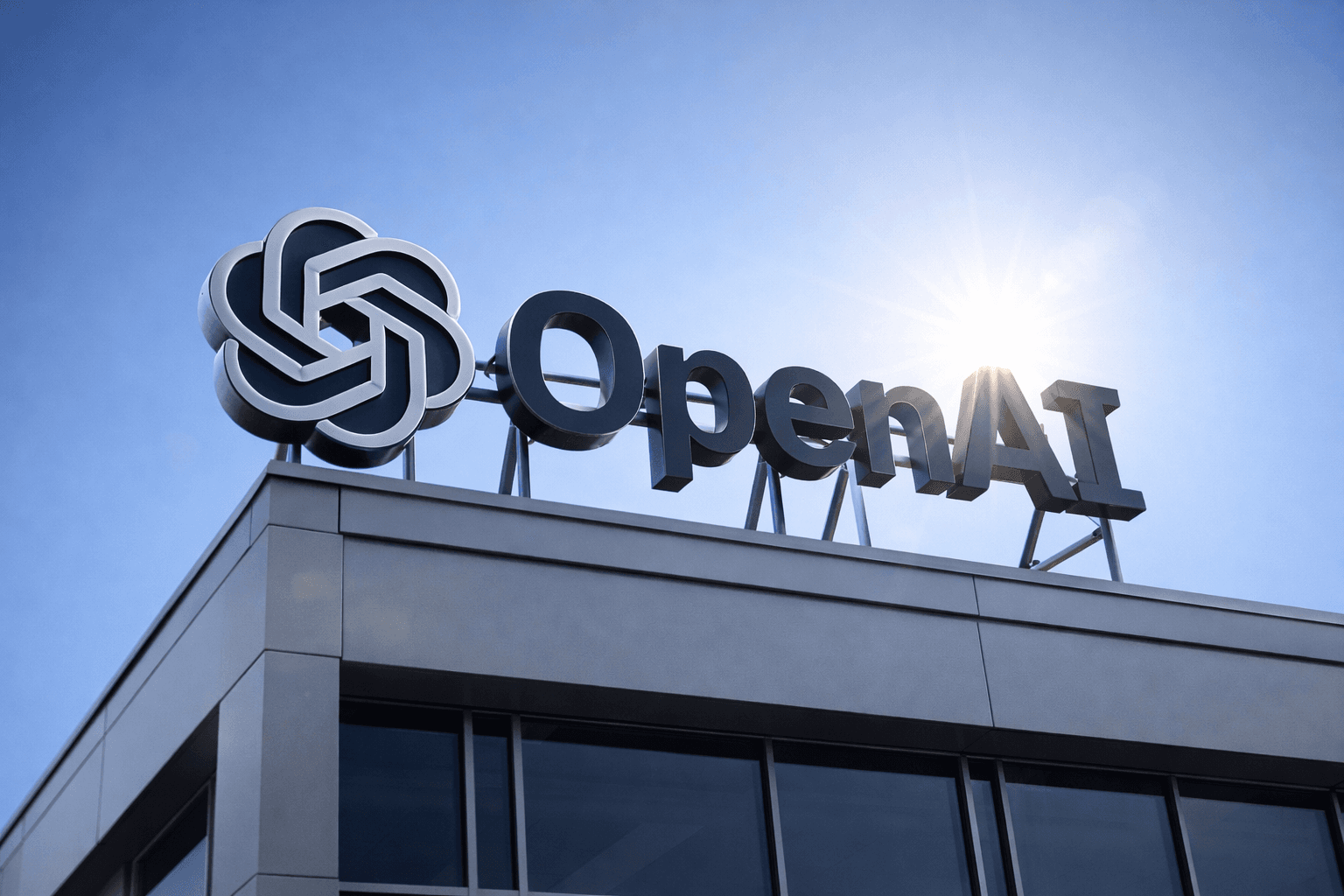
Coherence Neuro has raised $45 million to build brain implants and predictive models that monitor and treat tumors in real time, in a round co-led by Founders Fund and the OpenAI Startup Fund. The company announced the financing, which it describes as its Series A, on Wednesday.
Lux Capital, 8VC, Timeless, Olive Capital and Ahren joined as new investors. Earlier backers Blackbird, Possible, Topology, Artesian, XEIA, Xtal and Divergent added to their positions. Angel investors include Dr. Matthew MacDougall and Dr. Rory Murphy, both associated with Neuralink.
Co-founders Ben Woodington and Elise Jenkins started Coherence Neuro in 2022 to apply neuroscience and device technology to cancer therapy. The company's core argument is that the feedback loop between starting a cancer treatment and learning whether it works is too slow.
Key facts
- 01Coherence Neuro raised $45M on October 21, 2026, co-led by Founders Fund and the OpenAI Startup Fund.
- 02Lux Capital, 8VC, Timeless, Olive Capital and Ahren joined as new investors.
- 03The company trains models on recordings of tumor electrical activity to predict growth trajectories.
- 04Next up: a first chronic human trial in glioblastoma and an FDA Breakthrough Device designation bid.
- 05Co-founders Ben Woodington and Elise Jenkins started the company in 2022.
Coherence Neuro's answer is an electrical biomarker for cancer. The company is developing a platform of read and write devices that record the electrical signals of tumors and can deliver their own stimulation to slow tumor development. The work builds on a 2019 Stanford study that found some brain cancers hijack signals from healthy tissue to fuel growth, and that interrupting those signals could reduce it.
The first device, called SOMA, is a button-sized implant paired with a coin-sized, removable over-ear wearable and an app that shows real-time data, symptom tracking and therapy history.
Coherence Neuro trains models on recordings of neural activity to predict tumor growth. In mouse models with brain tumors, the company says its model predicted growth trajectories in mice it had not seen, separating untreated animals from those given the chemotherapy drug temozolomide. The company says its models get better at predicting tumor growth with more days of data.
Coherence Neuro envisions closed-loop algorithms that adjust therapy automatically based on live readings from the tumor.
Human testing has started in a limited form. Coherence Neuro has placed implants in consenting patients for 30 minutes during other surgeries before removing them, as an early safety step. The company has not reported results from that work.
With the new capital, Coherence Neuro plans to begin its first chronic human trial in glioblastoma, an aggressive brain cancer, seek FDA Breakthrough Device designation, and extend its preclinical work into pancreatic cancer and other tumor types. The company is also expanding its team.
OpenAI's earlier brain-computer interface investment was in Merge Labs, announced in January. Sam Altman co-founded Merge Labs, which reads brain activity without an implant.

Working on something we should cover, or seeing a story we missed? Send leads, documents, or feedback to hello@aichatdaily.com. For sensitive tips, see our secure tips page for Signal and PGP options.
Spotted an error? Email hello@aichatdaily.com with the URL and the issue, or read our full corrections policy.