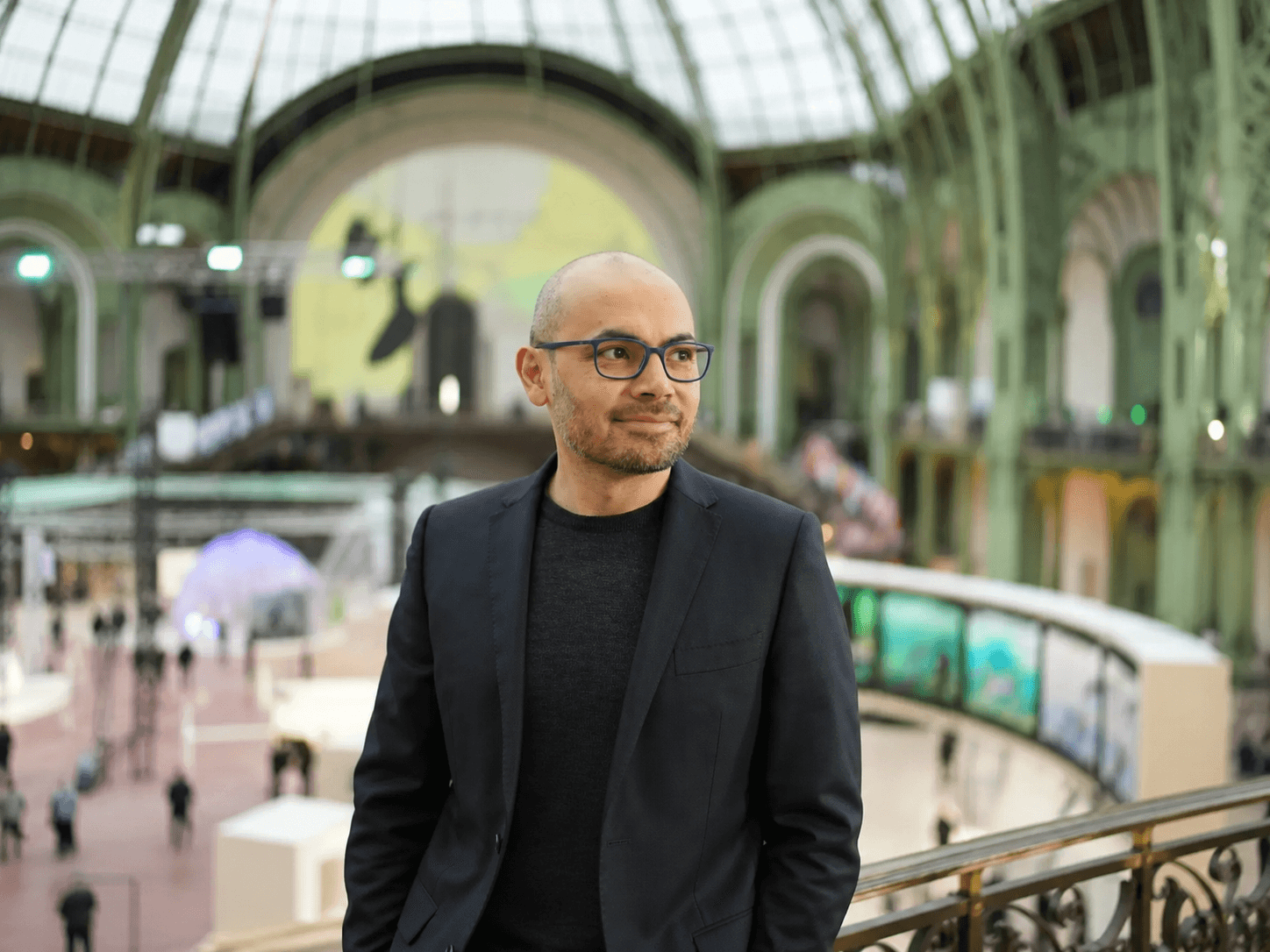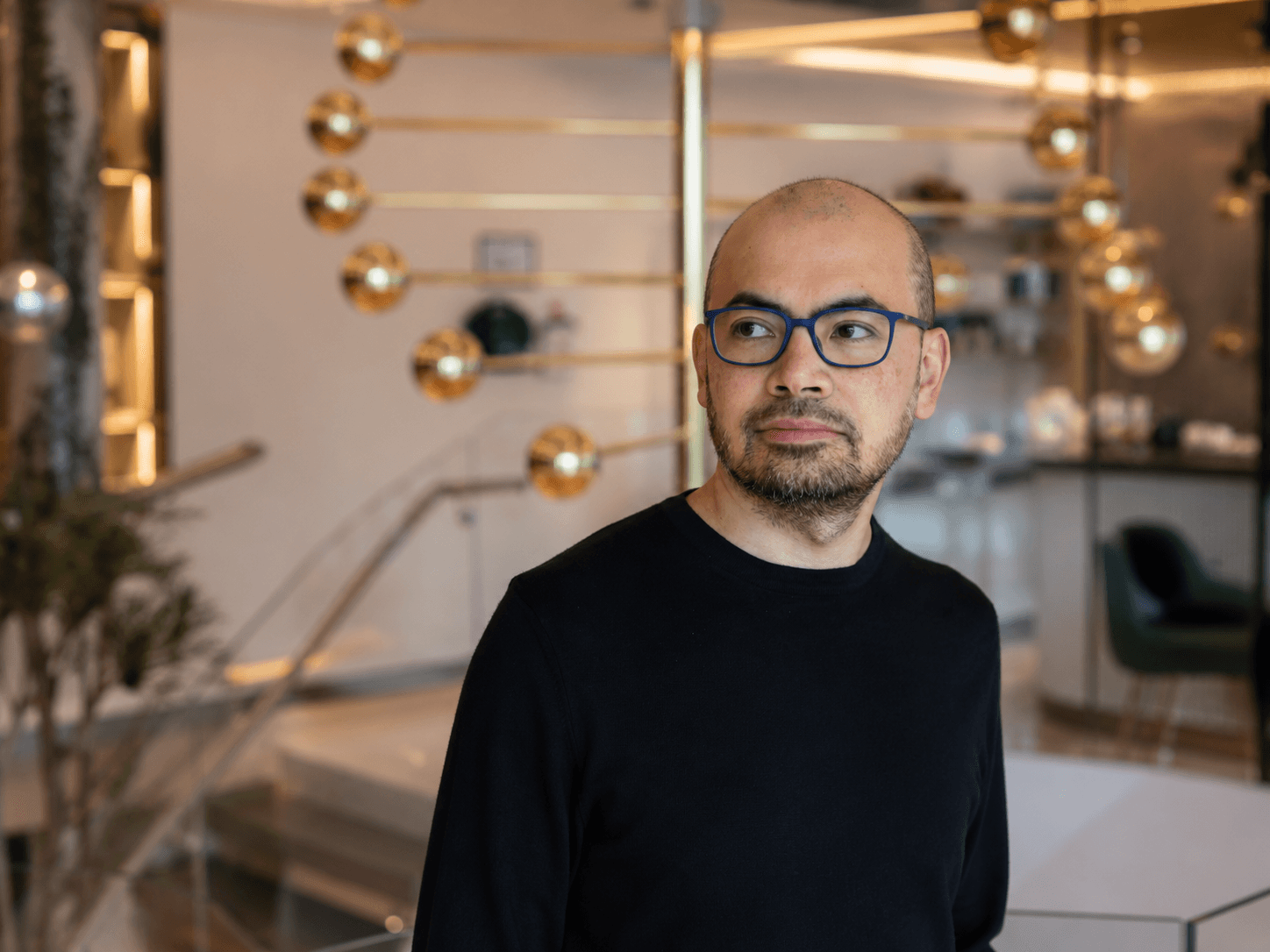
Demis Hassabis now expects artificial general intelligence within two to three years, the Google DeepMind CEO said in an interview with WSJ Magazine, which named him its Innovator in Tech for 2026. Hassabis defines AGI as systems that match the full range of human cognitive abilities, and the new forecast would put its arrival in 2028 or 2029.
"It's soon," Hassabis told the magazine. "I'm updating nearer and nearer." The comment caps a steady compression of his public timeline. In spring 2025 he spoke of five to ten years. Earlier this year he said three to five years. In April 2026, at Sequoia's AI Ascent conference, he named 2030 and said the field was "basically exactly on track."
Hassabis, whose lab builds Gemini, framed AGI as a tool for science. "The ultimate goal was to build AI and understand the mind, then use it to understand science," he said, adding: "Step one, solve intelligence. Step two, solve everything else."
Key facts
- 01Demis Hassabis now expects AGI, which he defines as human-level cognition, within two to three years.
- 02Earlier in 2026 he put the window at three to five years; in spring 2025 he said five to ten years.
- 03WSJ Magazine named Hassabis its Innovator in Tech for 2026, one of seven honourees.
- 04Isomorphic Labs, his drug discovery spin-off, aims to test its first drug in humans by the end of 2026.
- 05Hassabis argued against regulating AI before the technology is better understood.
Science is where Hassabis expects AGI to land first. He said he expects physics to be among the earliest fields it is applied to, describing a future in which he works alongside AGI systems and human scientists "trying to work out the next level of physics." He received the 2024 Nobel Prize in Chemistry for AlphaFold's work on protein structure prediction.
Medicine is the other near-term target. Hassabis said drug development, which typically takes about a decade, could shrink to months, weeks or even days, and that he sees no insurmountable obstacles to using AI to cure cancer.
“I don't see any insurmountable obstacles currently. I see hard things, but not impossible things.”— Demis Hassabis, Google DeepMind CEO
Isomorphic Labs, the drug discovery company Hassabis spun out of DeepMind, aims to test its first drug in humans by the end of 2026. "I think people could really start feeling the benefits of AI directly in their lives," he said.
Hassabis has paired his optimism with a specific warning. At the International AI Summit in Dublin, he said the industry is heading toward a serious security incident within roughly two years unless governments and companies raise safety standards, calling recent AI agent incidents "early warning shots" while noting that current systems are not yet powerful enough to cause major damage.
That concern does not translate into support for near-term rules. "What would be wrong is to try and regulate things now that we don't even fully understand," Hassabis said, arguing that regulation should wait until the technology is better understood.
“I think you're almost certainly going to get the wrong regulation — and wrong regulation is worse than no regulation.”— Demis Hassabis, Google DeepMind CEO
Not every AI leader shares the shortened timeline. Yann LeCun, Meta's former chief AI scientist, has argued for years that large language models will not reach human-level intelligence, and said in February that "Superintelligence is not close." His startup, AMI Labs, has raised about $1 billion to pursue world models that understand the physical world.
WSJ Magazine will announce its remaining six Innovator honourees over the next two weeks, ahead of an awards event in New York City on October 29.

Working on something we should cover, or seeing a story we missed? Send leads, documents, or feedback to hello@aichatdaily.com. For sensitive tips, see our secure tips page for Signal and PGP options.
Spotted an error? Email hello@aichatdaily.com with the URL and the issue, or read our full corrections policy.