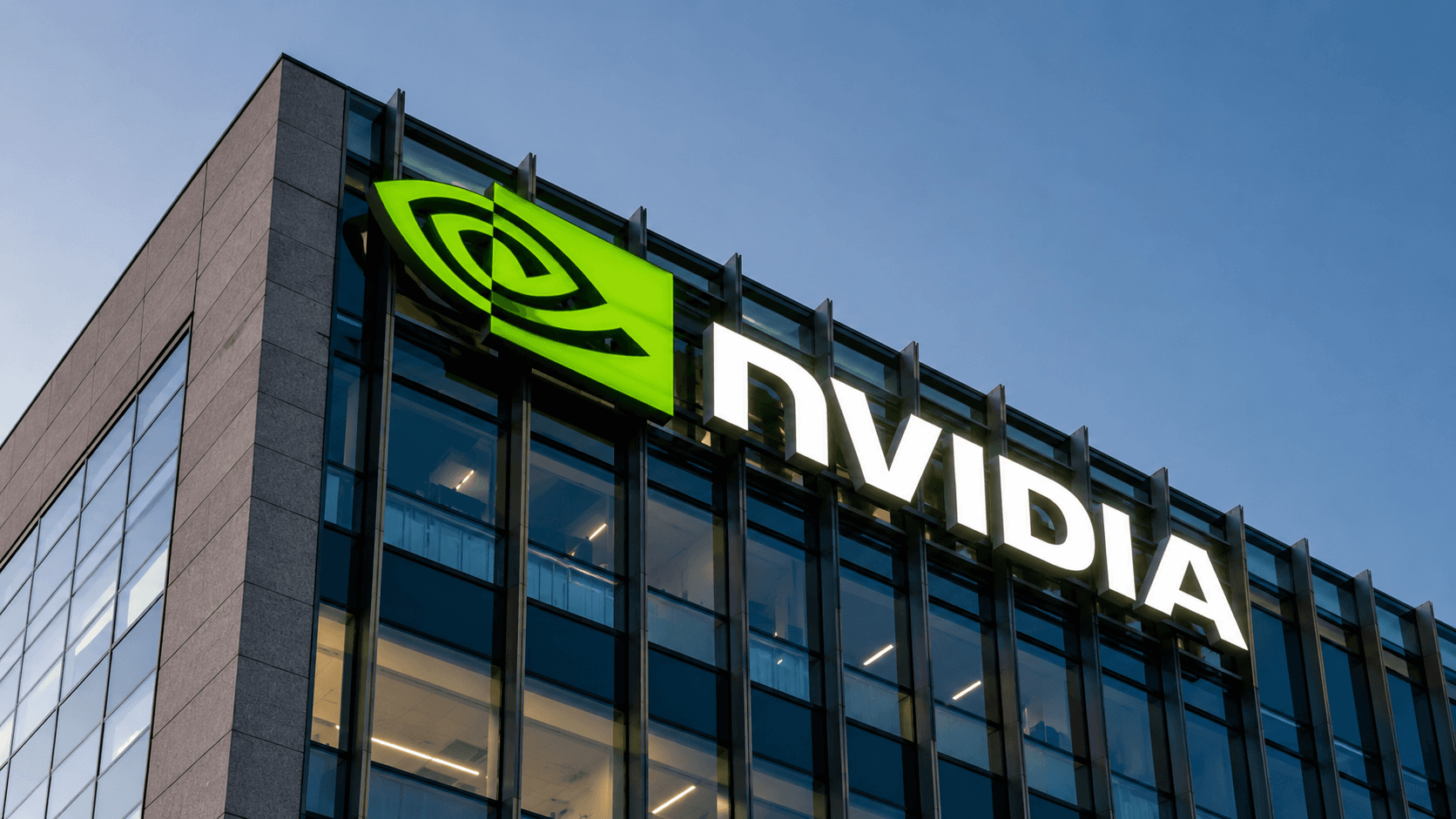
The Jensen Huang Foundation has purchased $108 million of AI computing capacity from CoreWeave and is donating the time to academic researchers, an unusual move that converts commercial-tier GPU access into a philanthropic resource. The foundation, established by the Nvidia chief executive, is buying capacity at market rates from one of Nvidia's largest customers rather than seeking a discount or in-kind donation. The compute will go to researchers who would otherwise struggle to access frontier-class hardware.
The $108 million figure is meaningful in the current GPU market, where capacity at the largest neoclouds is forward-sold to hyperscalers and frontier labs years out. Academic groups typically operate on grant budgets that cannot compete with that demand curve. Routing capacity through a philanthropic vehicle is one of the few mechanisms that actually puts modern training and inference hardware in the hands of university labs.
CoreWeave is the counterparty on the supply side. The company runs one of the largest commercial Nvidia GPU fleets outside the hyperscalers and has built its business on renting that capacity to AI developers. Selling $108 million of that capacity to a foundation rather than a paying enterprise customer is a notable allocation decision in a market where every H100 and Blackwell-class unit has multiple bidders.
Key facts
- 01The Jensen Huang Foundation purchased $108 million of AI computing capacity from CoreWeave.
- 02The compute is being donated to researchers rather than used commercially.
- 03Nvidia is both the supplier of CoreWeave's GPUs and an equity holder in the company.
- 04The deal routes scarce GPU capacity to academic users who typically cannot outbid hyperscalers.
The relationship between the three parties is tightly woven. Nvidia designs and sells the GPUs CoreWeave operates. Nvidia is also an equity holder in CoreWeave. And the foundation buying the compute was established by Nvidia's chief executive. The transaction is at arm's length on paper but moves dollars in a closed loop around the Nvidia ecosystem.
“Huang's foundation is spending $108 million with CoreWeave for compute that will never touch a commercial workload — it goes straight to academic researchers.”— Jaeden Schafer
For the researchers on the receiving end, the practical question is what kind of work the capacity will support. Academic AI research has been increasingly squeezed out of frontier-scale experimentation because the dollar cost of training runs has outpaced grant funding. A pool of $108 million in compute, even split across many recipients, is enough to support meaningful pretraining and fine-tuning work that would otherwise be impossible outside industry labs.
The donation structure also sidesteps a recurring criticism of corporate compute grants — that they come with strings, publication restrictions, or implicit pressure to favor the donor's stack. A foundation purchase priced at market terms gives recipients cleaner footing, though Nvidia hardware is the only hardware on offer at this scale today regardless of who is paying.
Huang has been public about the gap between industry compute budgets and what universities can access. Nvidia itself runs academic programs and credits, but those are typically measured in the low millions per institution. A nine-figure foundation purchase is a different order of magnitude and a different mechanism — it is philanthropy denominated in GPU-hours rather than cash.
The move comes as the broader debate over AI infrastructure has focused on hyperscaler buildouts, power constraints, and multi-billion-dollar training runs at OpenAI, Anthropic, xAI, and Google. Academic AI has receded as a category in that conversation, which is part of why a $108 million donation aimed squarely at researchers stands out. It is small relative to a hyperscaler quarter and large relative to a typical university computing budget.
Open questions remain about how the capacity will be allocated, which institutions or individual researchers will receive grants, and over what timeframe the $108 million of compute will be drawn down. The foundation has not detailed an application process or selection criteria in the available reporting. Whether the donation becomes recurring is also unresolved.
The broader signal for the AI market is that the people closest to the compute shortage are now spending their own money to widen access at the margins. Nvidia benefits indirectly — more researchers trained on its stack, more papers published using its hardware — but the immediate economic logic is that scarce capacity is being diverted away from the highest commercial bidder. In a market defined by who can buy the most GPUs, a foundation that buys GPUs to give them away is a notable counter-pattern.

Working on something we should cover, or seeing a story we missed? Send leads, documents, or feedback to hello@aichatdaily.com. For sensitive tips, see our secure tips page for Signal and PGP options.
Spotted an error? Email hello@aichatdaily.com with the URL and the issue, or read our full corrections policy.