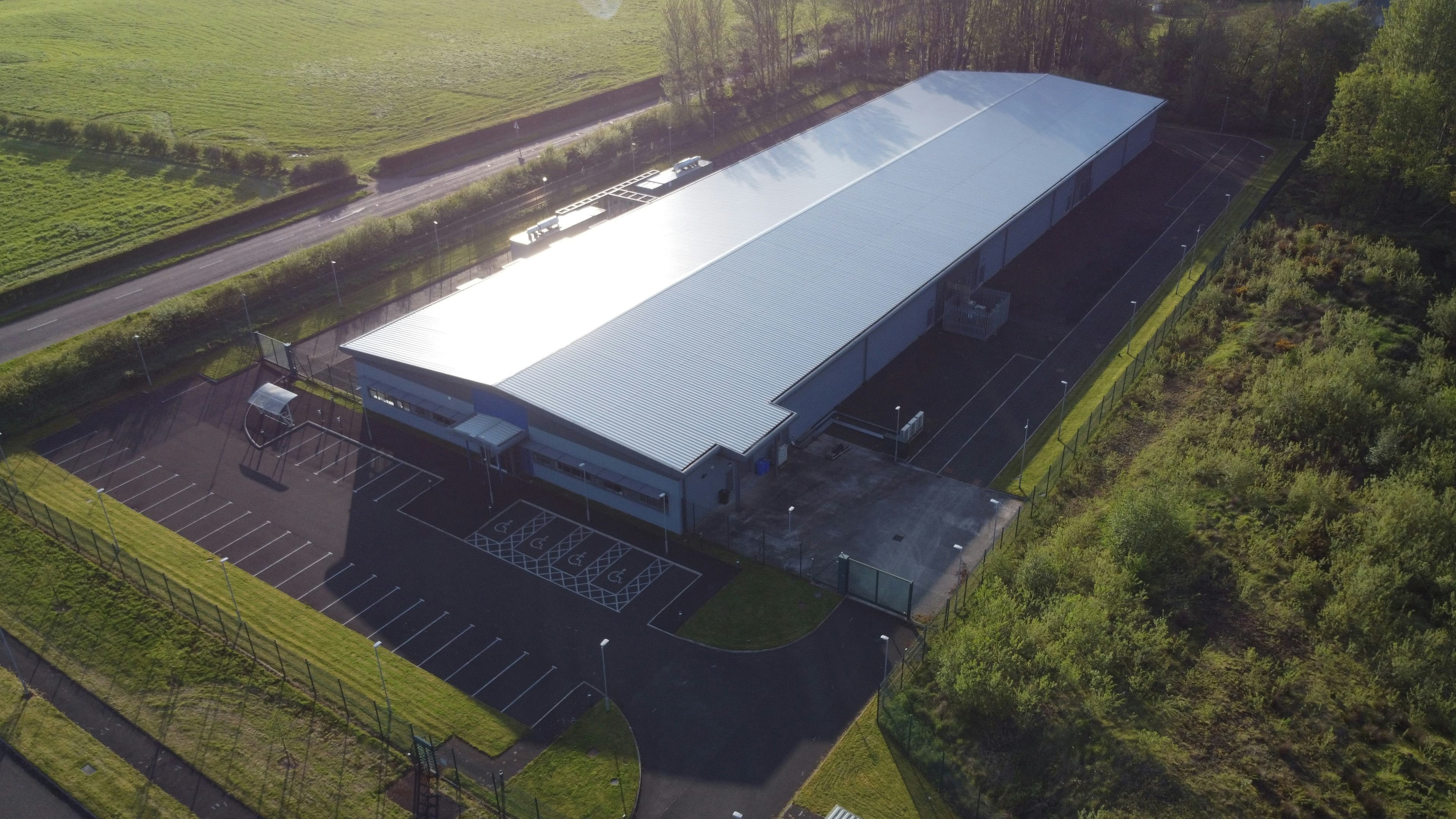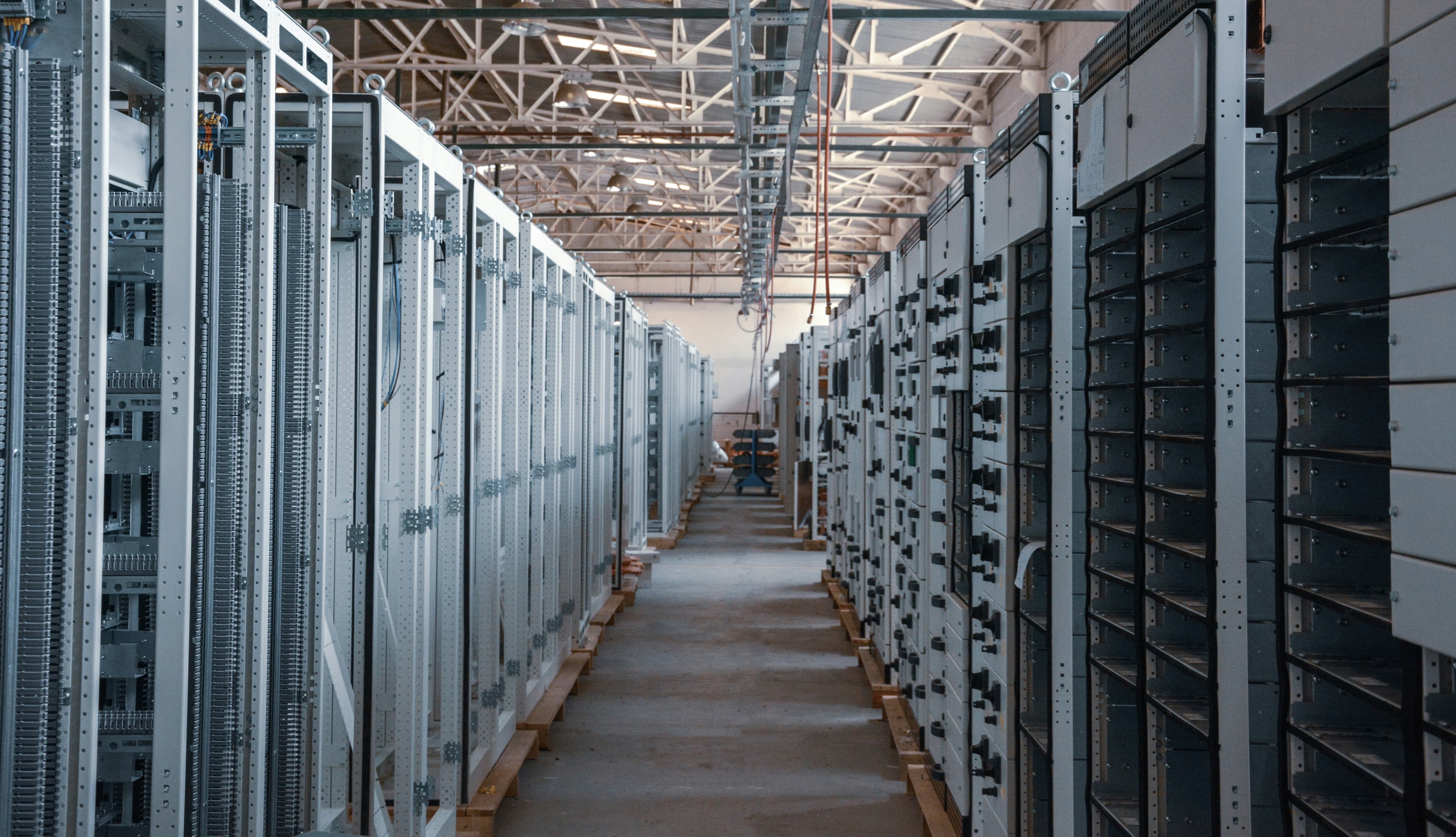
Lake Tahoe will lose its electricity supplier in May 2027, when Liberty Utilities' wholesale agreement with NV Energy expires and the Nevada utility redirects that capacity to data center customers inside its own service territory. NV Energy is currently fielding interconnection requests totaling more than 22 gigawatts of load — over 40 times what the Lake Tahoe basin draws at peak. The resort region, long a second-home market for Bay Area and Silicon Valley buyers, must now source replacement power from somewhere in the western grid at a moment when every regional utility is being squeezed by AI buildouts.
NV Energy and Liberty Utilities both say the wind-down was long planned and that data centers are not the reason. The arithmetic makes that claim hard to sustain. A utility holding 22 gigawatts of pending data center demand has little incentive to renew a small wholesale contract serving a mountain town, and the price signal from hyperscaler customers willing to pay top dollar for firm capacity has reshaped how Western utilities allocate their generation queue.
The geography makes substitution difficult. Lake Tahoe's transmission lines connect more tightly to Nevada's grid than to California's, meaning Liberty Utilities' practical options are other power producers inside NV Energy's footprint or elsewhere in the West — the same market that NV Energy has already chosen to ration in favor of data centers. Any replacement contract will be priced against that competition.
Key facts
- 01Liberty Utilities' power supply agreement with NV Energy ends in May 2027, leaving Lake Tahoe without a confirmed replacement provider.
- 02NV Energy is sitting on requests for more than 22 gigawatts of load, over 40x Lake Tahoe's peak demand.
- 03A 40,000-acre data center development approved in Utah could draw up to 9 gigawatts — more than double the entire state's current 4-gigawatt usage.
- 04NV Energy says the contract wind-down was long planned and data centers are not the cause.
Conditions one state over compound the problem. A county commission in Utah recently approved a 40,000-acre data center development that, when fully built, could draw up to 9 gigawatts of electricity. The entire state of Utah currently consumes roughly 4 gigawatts. A single project more than doubling statewide demand will pull on the same regional generation and transmission resources Lake Tahoe is now trying to tap.
“NV Energy alone is fielding requests for more than 22 gigawatts of load, more than 40 times what Lake Tahoe consumes at its peak.”— Jaeden Schafer
The broader energy picture is tight. Surging AI compute demand has collided with constrained supply, and the Trump administration's recent military action against Iran has added pressure to global energy markets. Utilities across the West are quoting longer interconnection timelines and higher capacity prices than they were a year ago.
The AI infrastructure footprint is also drawing scrutiny on its operational practices. Musk's xAI is running close to 50 gas turbines at its Mississippi data center, an arrangement that has raised questions about permitting and emissions. AI Chat Daily has covered organized local opposition in Pennsylvania, where residents recently held a virtual town hall on 60 proposed data center projects, and an interactive map from a University of Washington student tracking data center policy nationwide.
For Lake Tahoe residents, the most likely outcome is a new supply contract at a higher price, plus exposure to whatever regional rate increases flow through from the broader AI-driven load growth. Second-home owners — many based in the Bay Area, where high land and power costs have so far kept hyperscaler projects from siting locally — will see the same bills.
NV Energy's framing is worth taking at face value where the facts allow: the contract was always finite, and not every gigawatt of requested load will be built. Interconnection queues across the United States are notoriously inflated, with many projects never reaching commercial operation. If even a fraction of the 22 gigawatts materializes, however, the math for any small wholesale customer in the same territory does not improve.
What's happening at Lake Tahoe is the first time the AI power crunch has landed squarely on a community closely tied to the tech industry itself. Until now, the residential cost of AI buildouts has fallen on rural counties and small-utility customers in Virginia, Texas, Mississippi, and the Mountain West, while the engineers and executives building the models have lived in markets insulated by California's separate grid and pricing structure. That insulation is thinner than it looked.
The market implication is that data center siting economics are reshaping wholesale power contracts in real time, and not just at the margins. When a utility can choose between a single hyperscaler offtake worth gigawatts and a legacy wholesale agreement worth tens of megawatts, the legacy customer loses. Expect more contract non-renewals across the West over the next 24 months, and expect AI infrastructure cost — already the dominant capex line at every frontier lab — to keep climbing as the underlying electricity it depends on gets repriced by the same demand.

Working on something we should cover, or seeing a story we missed? Send leads, documents, or feedback to hello@aichatdaily.com. For sensitive tips, see our secure tips page for Signal and PGP options.
Spotted an error? Email hello@aichatdaily.com with the URL and the issue, or read our full corrections policy.