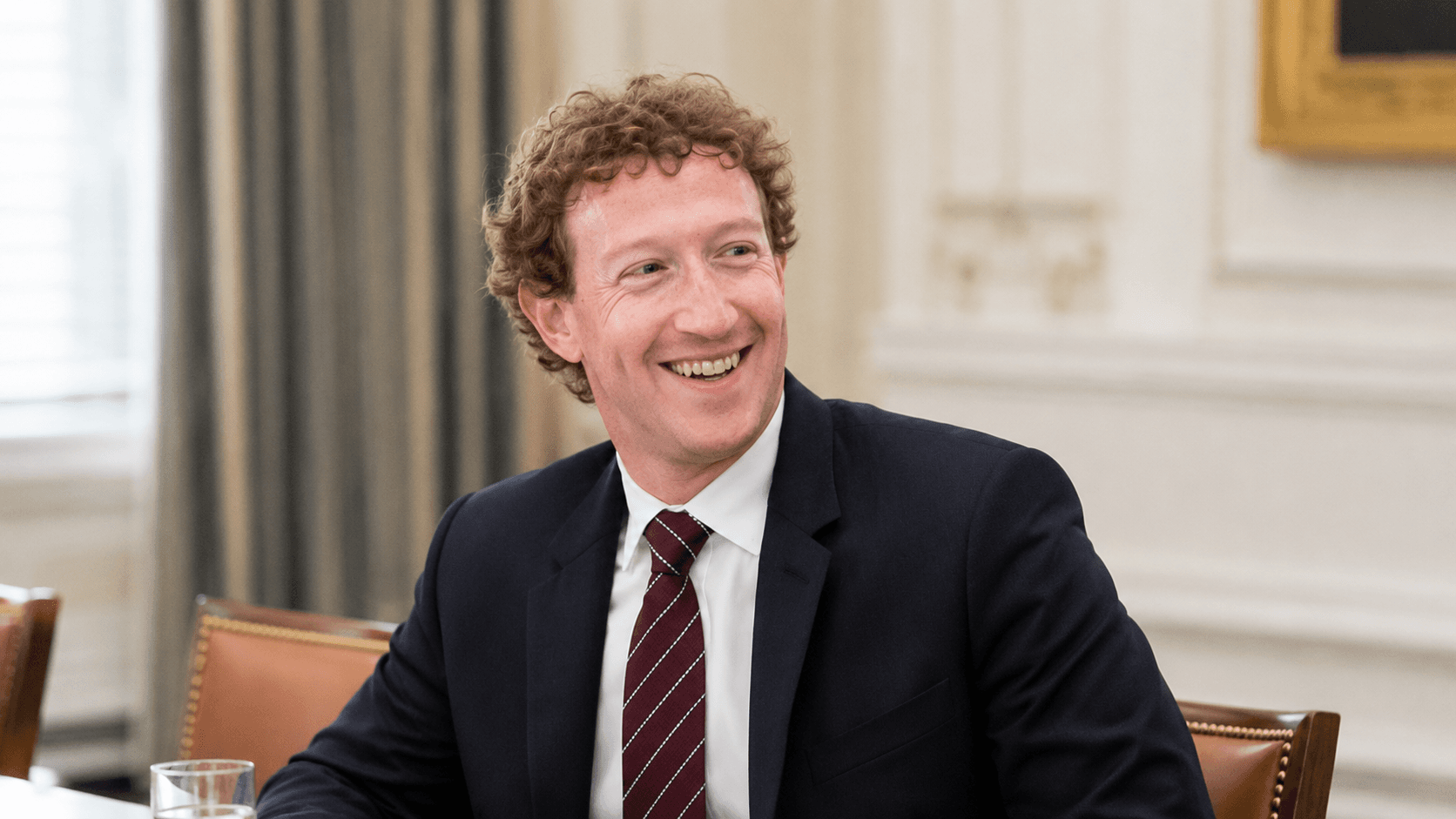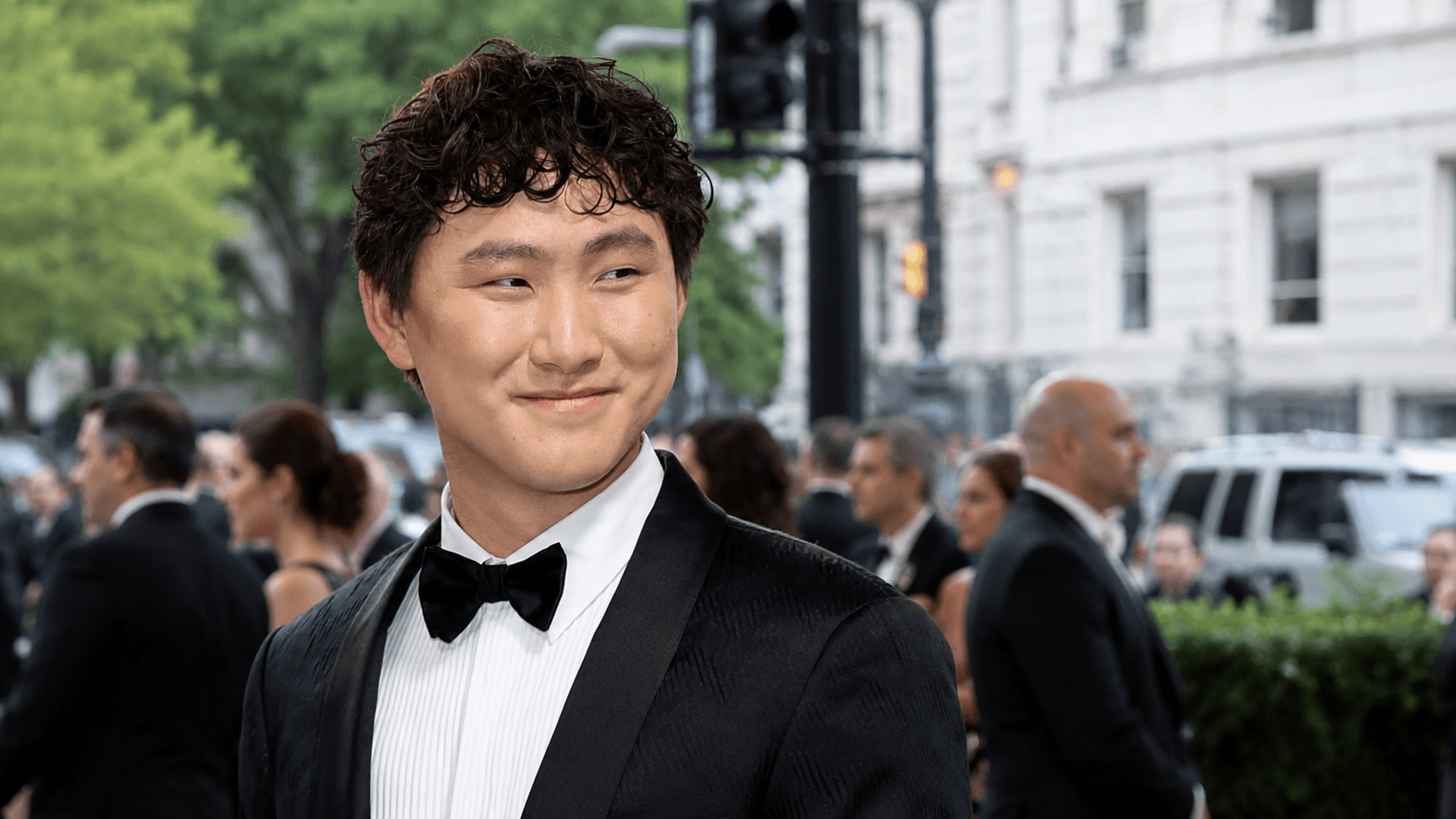
One year after Mark Zuckerberg handed Meta's AI revival to Alexandr Wang, a then-28-year-old start-up founder, the $1.5 trillion company has shipped Muse Spark — its most credible frontier model to date and the first major output of Wang's secretive TBD Lab. Zuckerberg bet $15 billion on the play, investing that sum into Wang's data-labelling start-up Scale AI and hiring its co-founder to rebuild Meta's research bench after the disappointing reception of Llama 4 in 2025. The release lands as investors press Meta for evidence that tens of billions in AI spending will translate into revenue.
In roughly 12 months, Wang assembled a handpicked group of about 100 researchers on multimillion-dollar salaries, working from a badge-restricted area of Meta's Menlo Park headquarters where both he and Zuckerberg have offices. The team, known internally as TBD Lab, shipped Muse Spark in April 2026. Wang has also become one of the only Meta executives besides Zuckerberg invited to a White House dinner last year hosted by President Donald Trump for top Silicon Valley figures.
Muse Spark is being deployed primarily inside Meta's own products, with limited external access through a private API. The model is expected to improve content and advertising targeting and underpin AI assistants, business agents, digital avatars and wearables. Wang has publicly said Muse Spark was developed "from scratch," but people familiar with the project say it was built using elements of Meta's pre-existing infrastructure, including code and datasets associated with Llama 4 — a framing that has irritated members of the legacy Llama team.
Key facts
- 01Mark Zuckerberg installed Alexandr Wang to run Meta's AI revival roughly 12 months ago, after investing $15B into Wang's Scale AI.
- 02Wang's TBD Lab, about 100 researchers working from a badge-restricted area of Menlo Park, shipped Muse Spark in April 2026.
- 03Former Apple executive Ruoming Pang left Meta for OpenAI after just seven months on the TBD team.
- 04Internal testers asked to use Muse Spark for coding still prefer Anthropic's Claude, and Wang has conceded the model trails rivals on code.
- 05Meta is a $1.5 trillion company spending tens of billions on AI, with investors pressing for revenue tied to the outlays.
Supporters point to the speed of execution as the headline result. Russ Salakhutdinov, a Carnegie Mellon computer science professor and Meta's former vice-president of AI research, said the pace of work at TBD Lab has been notable and credited Wang with knowing the limits of his own expertise.
Skeptics inside Meta tell a different story. One former Meta AI employee said the bar set for Muse Spark — both internally and externally — was low, and that OpenAI, Google and Anthropic are moving faster. Staff asked to test Muse Spark for software development tasks have continued to prefer Anthropic's Claude, and Wang has acknowledged the model trails rivals on coding. Future Meta models are expected to focus on coding, agentic tasks and more advanced multimodal capabilities, including video generation.
The first year has not been smooth. Ruoming Pang, a former Apple executive, left TBD Lab after just seven months to join OpenAI. Efforts to develop an entirely new training codebase ran into challenges, which is part of why Muse Spark ended up leaning on Llama 4 infrastructure. The model was also trained using some third-party open-source models, including Chinese ones, and insiders have compared aspects of the system with DeepSeek's latest release, though the extent of any similarities is disputed.
Wang has tried to cultivate a non-hierarchical, start-up-style culture inside TBD, hosting boba tea happy hours and pushing a small-team philosophy.
“the very small team where everyone is 'cracked' is always going to move faster than the large org where responsibility is distributed”— Alexandr Wang, Head of Meta Superintelligence Labs
He has also reshaped Meta's AI safety function with a new team called TBA, or "To Be Aligned," and has argued in leadership discussions for prioritising model advancement over rapid product rollout — a contrast with other Meta leaders focused on shipping AI features into social apps. Several people said Wang has also pushed for more proprietary models, a departure from Meta's longstanding open-source posture with Llama.
The broader Meta workforce has had a rougher year. Wang's tenure has coincided with restructurings and rounds of layoffs as the company offsets AI spending. Staff also protested a plan to install tracking software that would capture computer usage to train AI models; Meta told employees in a memo on Tuesday that it would roll back parts of that plan after the backlash. In an official statement, Meta said Wang has "helped build one of the strongest research teams in the industry" and led Meta Superintelligence Labs through the Muse Spark launch.
One Meta associate summed up the trajectory: "It was a rough start for him to find his power at the company. But he's found his groove." Successor models from TBD are expected in the coming months, and Wang's supporters believe they could narrow the gap with OpenAI, Google and Anthropic.
The harder question is whether "narrow the gap" is the right yardstick. Meta does not need to beat OpenAI on benchmarks to monetise AI — it needs models good enough to lift ad targeting, power business agents across WhatsApp and Instagram, and run on wearables at scale. By that measure, a coding-weak but visually strong Muse Spark deployed inside the world's largest ad network may be more commercially relevant than a leaderboard-topping frontier model with no distribution. The risk for Wang is that Zuckerberg's patience is finite, and the next TBD model has to clearly outrun Llama 4 on the metrics Meta's own ads and agents business actually cares about. One model in 12 months bought him the runway. The next one has to earn it.

Working on something we should cover, or seeing a story we missed? Send leads, documents, or feedback to hello@aichatdaily.com. For sensitive tips, see our secure tips page for Signal and PGP options.
Spotted an error? Email hello@aichatdaily.com with the URL and the issue, or read our full corrections policy.