United Airlines said Wednesday it is restricting unauthorized third-party personal AI agents and assistants from booking flights and completing other transactions on behalf of passengers, citing security and regulatory concerns. United is the first U.S. carrier to say explicitly that it will restrict access for these tools.
The restriction applies directly to United's own digital platforms, including its website and app, and indirectly through travel agencies, online travel agencies and ticket aggregators. United said it is updating its booking, ticketing and distribution policies to enforce it. AI assistants can still display United's flights and fares, but they cannot complete reservations through United's systems without authorization.
United's first argument is account security. Passengers who hand their login credentials to a third-party agent can expose sensitive personal information, the airline said, and an agent with account access could trigger purchases, reservation changes or MileagePlus redemptions the traveler never intended.
Key facts
- 01United said on Nov. 11, 2026 it is restricting unauthorized third-party personal AI agents from booking flights.
- 02The restriction covers United's website and app directly, and travel agencies, OTAs and aggregators indirectly.
- 03United cited credential exposure, unintended purchases or MileagePlus redemptions, and FAA and DOT check-in rules.
- 04AI assistants can still display United flights and fares but cannot complete bookings without authorization.
- 05United has set no implementation timetable and will honor AI-agent bookings made before Nov. 11.
The second argument is regulatory. United pointed to FAA and DOT rules, using check-in as the example: passengers must personally acknowledge that their bags contain no prohibited materials, including explosives. Automating that step without direct confirmation from the passenger could create regulatory problems, according to the airline.
United has not announced a specific implementation timetable. The airline has no agreements authorizing third-party AI agents to book on its behalf, but it will honor reservations completed by those tools before Nov. 11.
United also plans to update its Digital Trust Center to explain the restrictions and to give guidance to customers who experience unintended actions by AI assistants.
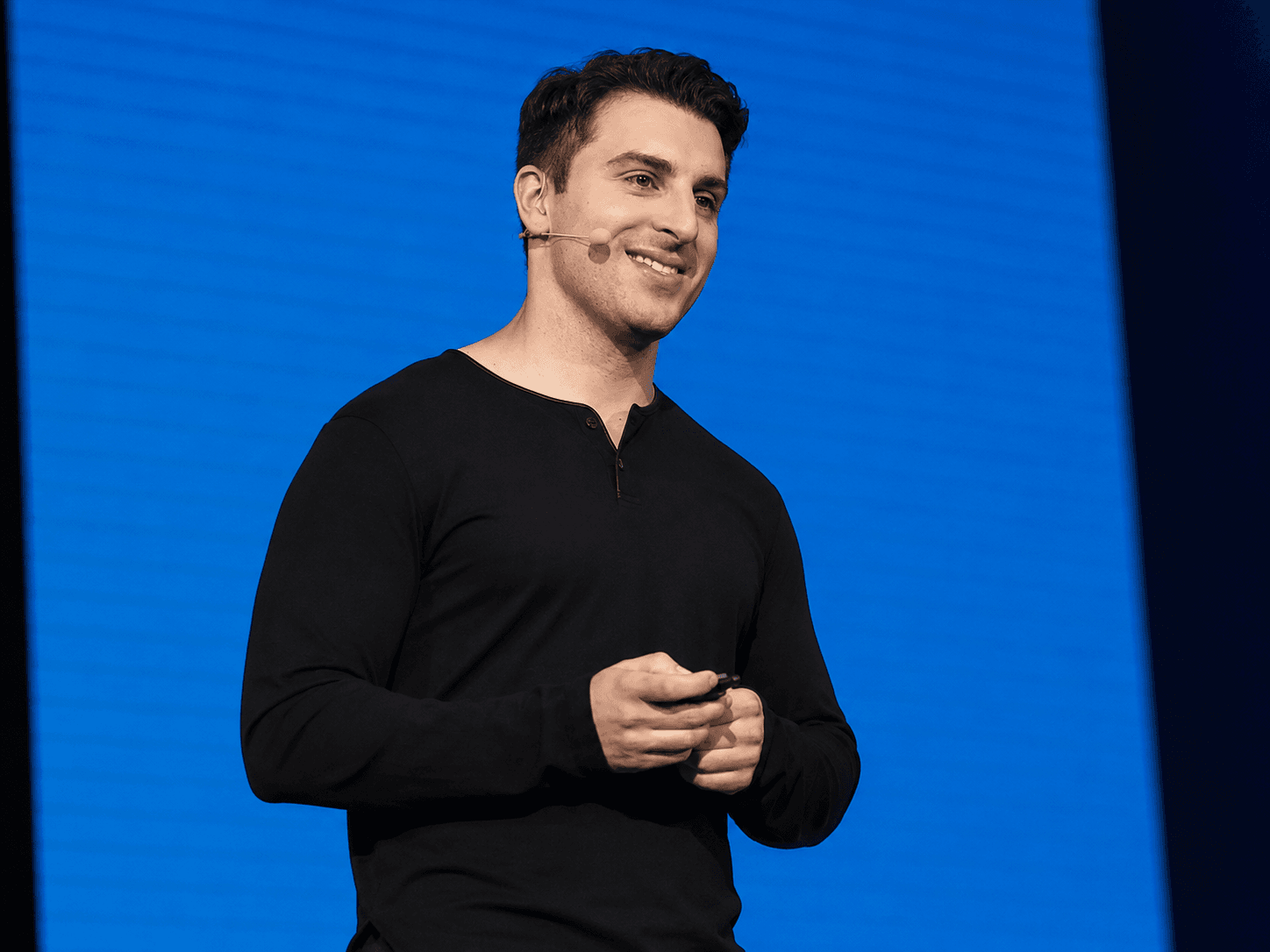
The decision has a commercial dimension as well. United CEO Scott Kirby said at an event in Chicago on Tuesday that he did not want to create another intermediary between the airline and its customers.
The move lands as AI companies push into travel booking. OpenAI acquired AI travel agent startup Odessia on Tuesday, Meta CEO Mark Zuckerberg has called travel a top use case for Meta's Muse agent, and Southwest Airlines has launched a ChatGPT integration for flight search. Expedia and Booking.com are building their own AI-platform integrations.
Other carriers are taking a different line. Delta Air Lines has indicated that properly authenticated AI assistants can make reservations, subject to additional safeguards for sensitive transactions, while Delta CEO Ed Bastian has described himself as cautious about AI agents in booking.
United said it will keep evaluating how third-party AI tools interact with its services as personal AI assistants evolve, leaving open the possibility of authorizing specific platforms later.

Working on something we should cover, or seeing a story we missed? Send leads, documents, or feedback to hello@aichatdaily.com. For sensitive tips, see our secure tips page for Signal and PGP options.
Spotted an error? Email hello@aichatdaily.com with the URL and the issue, or read our full corrections policy.