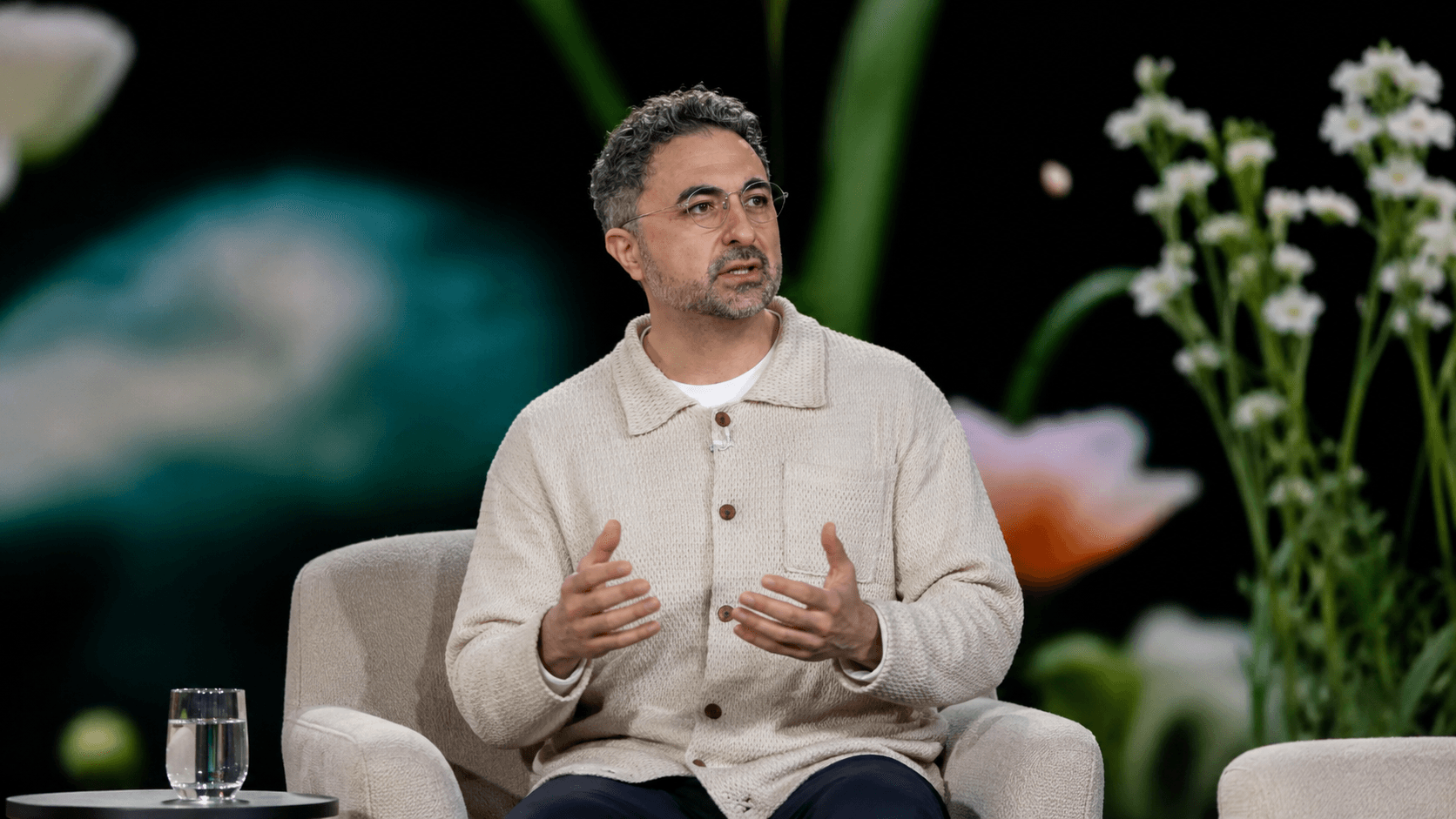
Microsoft AI chief Mustafa Suleyman is rewriting his most-quoted line of 2026. On Monday, June 9, Suleyman used a podcast appearance to walk back a February statement in which he told the Financial Times that most white-collar tasks would be fully automated by AI within 12 to 18 months. The new framing: AI automates tasks, not jobs, and the role of the lawyer or accountant stays intact.
The February quote was specific and widely circulated. Suleyman named four professions by category — lawyers, accountants, project managers, and marketing people — and put a clock on the automation timeline at 12 to 18 months. For a sitting head of Microsoft AI, that's a forecast with weight, given the company sells Copilot into exactly those workflows.
Pressed on the line this week, Suleyman pulled apart the wording. He argued the quote referred to tasks, and that tasks are components of jobs rather than jobs themselves. He called it 'a very important distinction' and used it to argue the original statement is consistent with a softer take.
“white-collar work, where you're sitting down at a computer, either being a lawyer or an accountant or a project manager or a marketing person — most of those tasks will be fully automated by an AI within the next 12 to 18 months.”— Mustafa Suleyman, Microsoft AI CEO
Key facts
- 01Microsoft AI chief Mustafa Suleyman walked back February comments that AI would automate most white-collar tasks within 12 to 18 months.
- 02Suleyman now says AI will handle sub-tasks like drafting emails and building PowerPoints, not replace entire roles for lawyers, accountants, or project managers.
- 03The original quote, given to the Financial Times in February 2026, named lawyers, accountants, project managers, and marketing professionals as the affected categories.
- 04Suleyman drew what he called 'a very important distinction' between tasks and jobs in the June 9 podcast interview.
- 05The clarification comes as Microsoft continues to integrate Copilot across enterprise software targeting exactly those white-collar functions.
The revised version of the message reframes AI as a productivity layer rather than a workforce replacement. Suleyman described sub-tasks — drafting an email, having a colleague conversation, assembling a PowerPoint — as the things AI will increasingly digitize and automate. The role itself, he said, does not necessarily go away.
That framing matches the line Microsoft has held publicly since it began shipping Copilot across Office, Teams, and Dynamics. The pitch to enterprise buyers has consistently been augmentation, not displacement: faster drafts, faster decks, faster summaries, with the human still in the seat.
“Sending an email, having a conversation with a colleague, putting together a PowerPoint — sub-tasks will increasingly become digitized, automated, and we can basically generate more and more of them. That does not necessarily mean that the role goes away at all.”— Mustafa Suleyman, Microsoft AI CEO
The February version of the quote was harder to square with that pitch. Telling a major newspaper that most white-collar tasks would be fully automated within roughly a year reads as a forecast that customers should be planning headcount reductions, not seat expansions. That's a different sales conversation.
Suleyman's clarification also lands at a moment when AI-attributed layoffs have become a regular feature of corporate earnings commentary. Banks, consulting firms, and software companies have all cited AI productivity gains alongside workforce reductions, making the task-versus-job distinction more than semantic.
There's no new product or research tied to the walk-back. The substance is the messaging itself, and Microsoft's senior-most AI executive choosing to put cleaner language on the record about what Copilot is meant to do to the workforce that uses it.
Skeptics will note that the original quote was not ambiguous. Suleyman said 'most of those tasks will be fully automated by an AI within the next 12 to 18 months' in reference to white-collar work performed by named professions, and the 12-to-18-month clock he set in February still has roughly half its runway left. Whether the tasks-not-jobs distinction holds up depends on what proportion of any given role those tasks represent — and on whether enterprises choose to redistribute the freed-up hours or eliminate the headcount.
For Microsoft, the recalibration is mostly about controlling the narrative around Copilot's economic effect. The company is selling AI tooling to the same chief information officers and chief financial officers who read FT headlines, and a Microsoft AI chief on record predicting their workforces' obsolescence is not a helpful sales asset. Expect the tasks-not-jobs framing to be the house line going forward — and expect the 12-to-18-month timeline to quietly stop being cited at all.

Working on something we should cover, or seeing a story we missed? Send leads, documents, or feedback to hello@aichatdaily.com. For sensitive tips, see our secure tips page for Signal and PGP options.
Spotted an error? Email hello@aichatdaily.com with the URL and the issue, or read our full corrections policy.