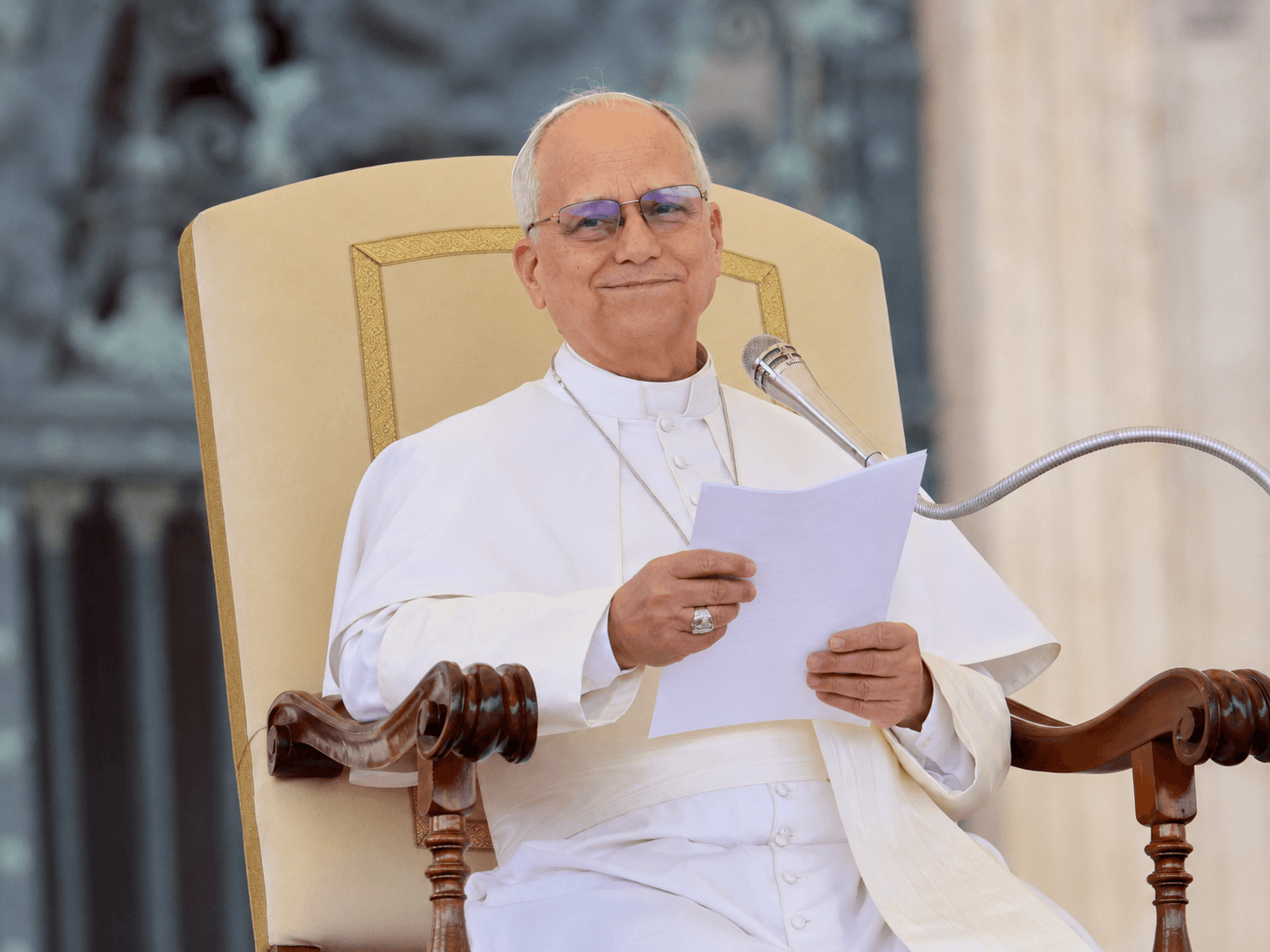
Pope Leo XIV told a gathering of AI scientists on Friday that machines are tools, not persons, and called on governments meeting in Geneva in November to take concrete steps toward banning lethal autonomous weapons.
Leo spoke at a private audience in the Apostolic Palace with participants in a one-day conference titled "The Future of AI: A Dialogue Between the Vatican and the Scientific World on the Development and Applications of Intelligent Technologies." The Pontifical Academy for Life and the Future of Life Institute organized the meeting. Attendees included members of the Vatican Commission on Artificial Intelligence and scholars such as MIT physicist Max Tegmark and UC Berkeley computer science professor Stuart Russell.
The pope opened by describing a shared sense of unease about how AI is developing, saying the direction is clear but "not enough is being done to move forward." He recalled Pope Francis's 2024 remarks to the G7 that no machine should be entrusted with taking a human life.
Key facts
- 01Pope Leo XIV addressed an AI conference at the Apostolic Palace on October 30, 2026.
- 02The Pontifical Academy for Life and the Future of Life Institute organized the one-day meeting.
- 03Leo opposed proposals to grant AI systems rights or legal personhood.
- 04He urged states meeting in Geneva in November to take concrete steps toward banning lethal autonomous weapons.
- 05Participants included MIT physicist Max Tegmark and UC Berkeley professor Stuart Russell.
Leo then laid out five considerations drawn from his encyclical Magnifica Humanitas. The first is that the future of AI is not predetermined. "As a technology developed by human beings, its future depends on the choices we make," he said, arguing that the central question is what purpose the technology should serve, not only what it can do.
“A reliable system that serves the human person is of greater value than one that is exceptionally powerful”— Pope Leo XIV, Pope
The second consideration addressed the legal status of AI systems. "Today, some propose granting these systems rights, or even legal personhood," Leo said, setting out his opposition to that idea on the grounds that it could blur who is responsible when a system causes harm.
“Such an approach risks obscuring human responsibility and leaving those who suffer harm to confront a faceless entity.”— Pope Leo XIV, Pope
Third, Leo said decisions affecting human life, freedom and the use of force must always remain subject to effective, informed and responsible human oversight. He warned that people placed on target lists or in border databases risk being reduced to data points.
Fourth, he said AI should serve the common good, arguing it must never become an end in itself or serve only a privileged few, and that its benefits, including care, knowledge, tools and opportunities, should be shared fairly.
The fifth point was about enforcement. Leo said the ethical principles are already known and that what is needed now are institutions capable of putting them into practice, including shared standards, independent oversight and clear accountability mechanisms so that decisions can be examined, challenged and remedied.
Tegmark, whose Future of Life Institute co-hosted the event, said he hoped the Vatican's moral standing could influence the direction of AI development.
“With strong moral leadership, the Vatican can help steer AI development onto a better pro-human path”— Max Tegmark, MIT physicist
Russell called for a change of course from the current pace of AI development. "We must turn aside from this trajectory before it is too late and pursue other trajectories," he said.

Working on something we should cover, or seeing a story we missed? Send leads, documents, or feedback to hello@aichatdaily.com. For sensitive tips, see our secure tips page for Signal and PGP options.
Spotted an error? Email hello@aichatdaily.com with the URL and the issue, or read our full corrections policy.