Anthropic, now valued at nearly $1 trillion, is lobbying US states to move past the transparency-focused AI safety laws it helped pass in 2025 and adopt tougher rules including third-party audits and enforcement powers. The company has endorsed a Massachusetts bill that would let the state attorney general seek injunctive relief against non-compliant labs, and an Illinois measure requiring outside auditors to sign off on safety processes. Cesar Fernandez, Anthropic's head of US state and local government relations, told WIRED the self-reporting model the company backed in California and New York last year is no longer enough.
The pitch is unusual coming from a frontier lab. Most of Silicon Valley fought the 2025 California and New York transparency bills, arguing they would slow the AI buildout. Anthropic endorsed them, and is now moving the goalposts further.
“The transparency-focused safety bills of 2025 were a really important start, but as the capabilities of AI systems continue to advance quickly—the policy responses need to match.”— Cesar Fernandez, Anthropic head of US state and local government relations
Fernandez frames the shift as a response to model capability rather than politics. The Anthropic-backed state bills target what they call large AI model developers — generally defined as companies spending hundreds of millions of dollars on AI development and clearing $500 million in annual revenue. Below that threshold, the rules do not apply.
Key facts
- 01Anthropic, valued at nearly $1 trillion, is pushing states to adopt AI rules tougher than the 2025 transparency laws it helped pass in California and New York.
- 02The company has endorsed Illinois and Massachusetts bills requiring third-party safety audits, with the Massachusetts version giving the state AG injunctive relief.
- 03Anthropic-backed bills apply to labs spending hundreds of millions on development and clearing $500 million in annual revenue — a threshold few startups meet.
- 04David Sacks, President Trump's AI adviser, accuses Anthropic of running a 'regulatory capture strategy' that traps smaller AI startups in red tape.
- 05Anthropic also urged the federal government to act against Alibaba over an alleged distillation attack on its models.
That threshold is the crux of the fight. Only a handful of labs currently clear it: Anthropic, OpenAI, and Google DeepMind sit comfortably above; well-funded newer entrants like Safe Superintelligence, Thinking Machines Lab, and Mistral have raised billions but generate far less revenue. Anthropic's own annual revenue sits well above the $500 million line, meaning the company is asking states to regulate a club it is already inside.
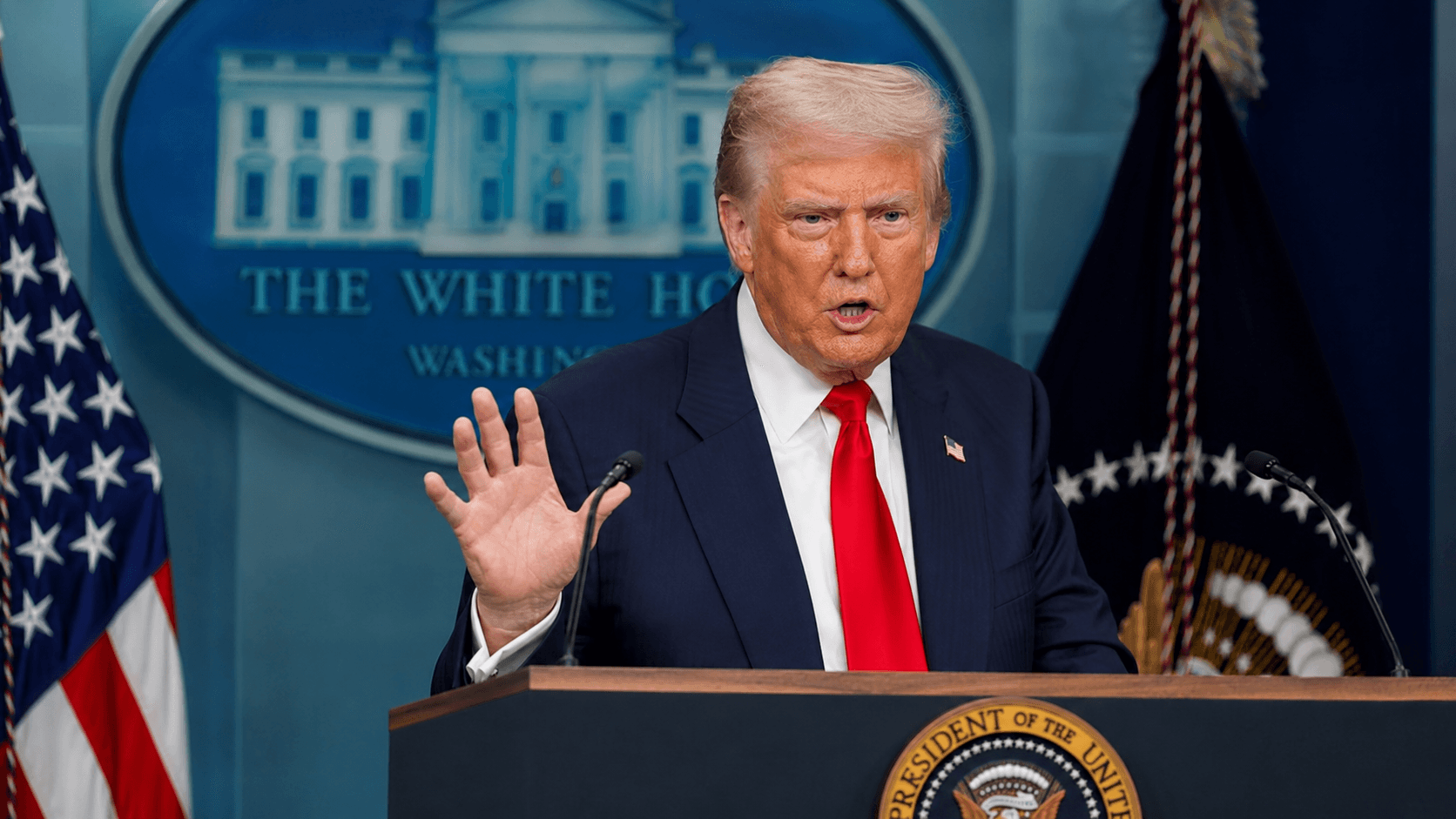
That has drawn sharp criticism from inside the current administration. David Sacks, White House AI adviser to President Donald Trump, has publicly accused Anthropic of using safety concerns as cover to entrench its market position.
Sacks called it a deliberate campaign to freeze out smaller entrants through compliance cost.
Fernandez rejects the framing. He argues that any company large enough to train a frontier-capable model should face the same rules, because the underlying capability risks are the same regardless of who ships the model. He points to the revenue and spending thresholds as evidence the bills are not aimed at garage-stage startups.
He acknowledges the threshold argument has an edge case: several well-capitalized labs could cross it within a year or two.
“It's hard to imagine a startup meeting that threshold.”— Cesar Fernandez, Anthropic head of US state and local government relations
Anthropic's federal work runs in parallel. Last month the company sent a letter to the US government accusing Alibaba of a distillation attack — extracting behavior from Anthropic's models through systematic prompting to train competing systems. Some researchers have called that filing another form of regulatory capture, arguing the real target is open-weight Chinese models that thousands of US businesses currently deploy. CEO Dario Amodei has previously warned Congress about the risks of open source AI.
There is a limit to how far Anthropic wants states to go. In a policy document published last month, the company argued that the authority to block deployment of an unsafe AI model should sit with the federal government, not with individual state legislatures. That position was tested earlier this year when the Trump administration issued an export control directive that forced Anthropic to pull its Mythos and Fable 5 models offline for everyone. Anthropic pushed back publicly, saying deployment blocks should only happen through a transparent evaluation process.
One gap is conspicuous. The AI concerns Americans raise most often — job displacement, data center siting in their neighborhoods, chatbot effects on children — have not produced anything close to the coordinated state-level campaign Anthropic has mounted around catastrophic risk. Fernandez says the company is 'eager to engage with lawmakers' on those issues and is having conversations across the states, but concedes no comparable legislative push has materialized.
The Anthropic position is coherent on its own terms: if you believe frontier models carry catastrophic risk, self-reporting is thin protection and third-party audits are a reasonable next step. It is also commercially convenient. Rivals that scale into the threshold will inherit a compliance regime Anthropic helped design, while the labs that never get there stay small. Whether states buy the safety framing or the capture critique will shape the regulatory floor for every US frontier lab through the rest of the decade — and with Congress still stalled, states are where that floor gets poured.

Working on something we should cover, or seeing a story we missed? Send leads, documents, or feedback to hello@aichatdaily.com. For sensitive tips, see our secure tips page for Signal and PGP options.
Spotted an error? Email hello@aichatdaily.com with the URL and the issue, or read our full corrections policy.