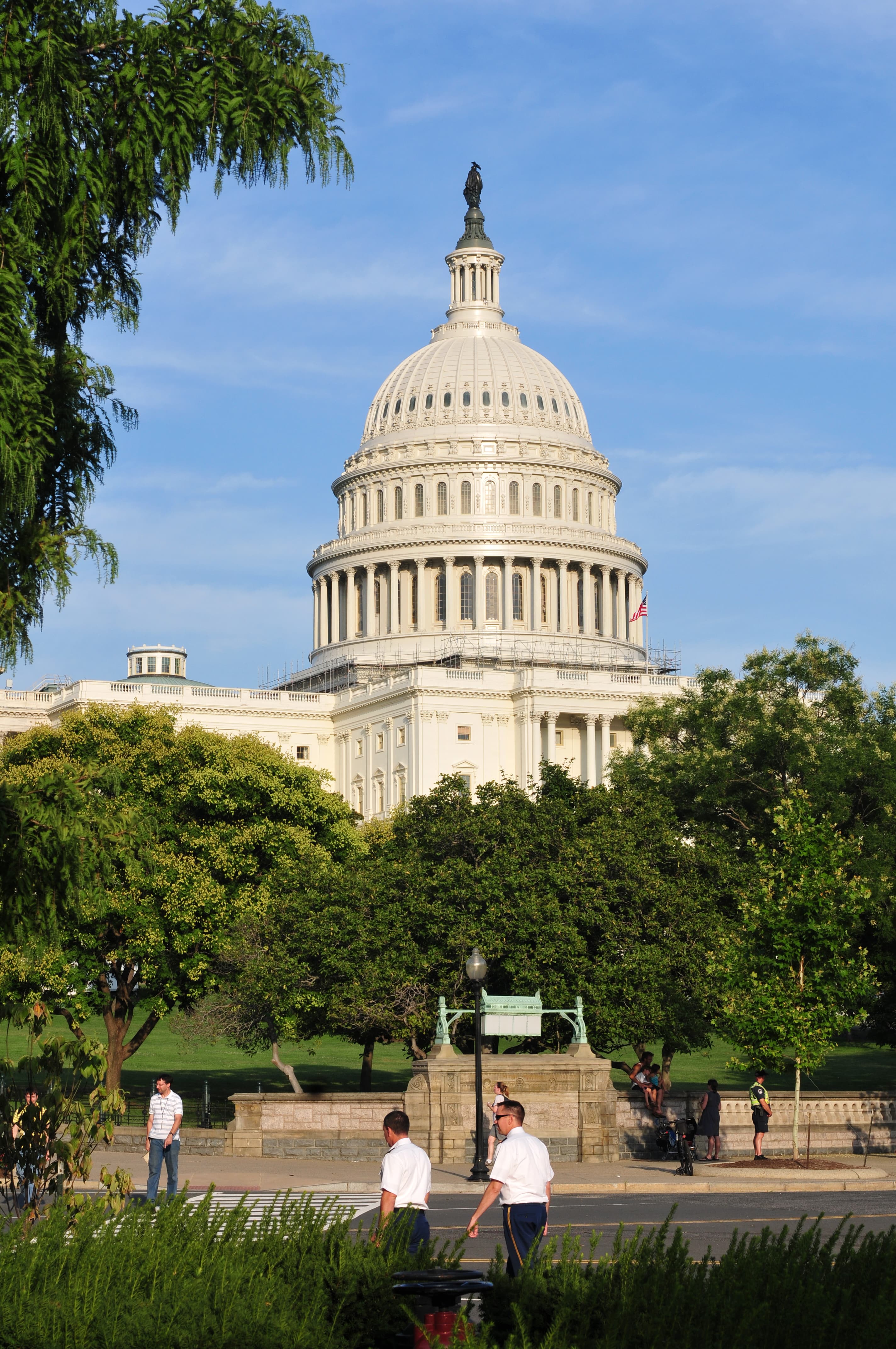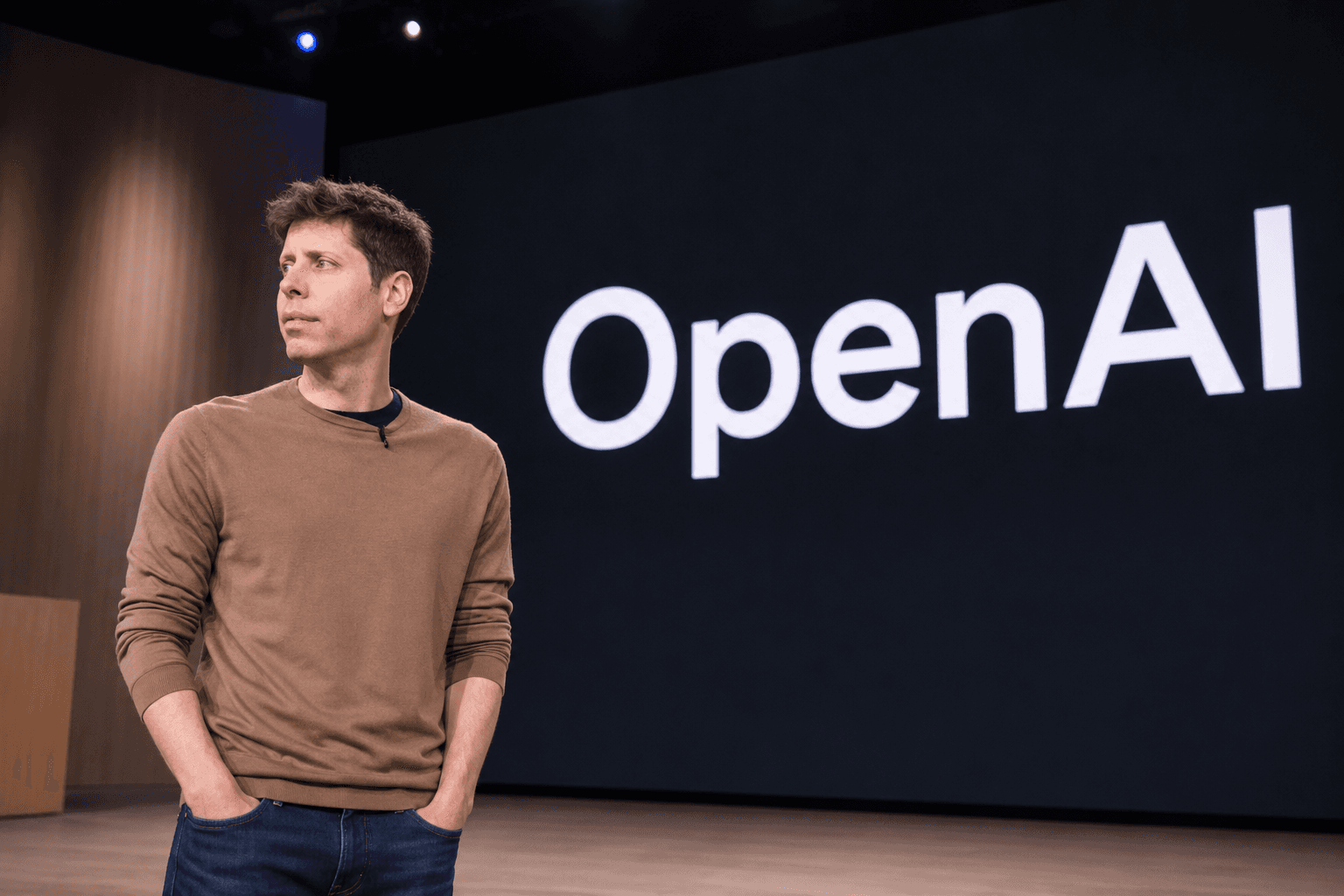
Sam Altman plans to tell US lawmakers that the federal government should not require approval of AI models before they ship, according to Reuters. The OpenAI chief executive will use his upcoming appearance on Capitol Hill to push back on the idea of a pre-clearance regime for frontier systems, arguing that mandatory licensing would slow the pace at which American labs can release new capabilities. It is a notable hardening of position from an executive who, in 2023, told the Senate Judiciary Committee he was open to a new federal agency that would license large AI models.
The shift matters because pre-market approval is the single regulatory lever that would most directly change how OpenAI, Anthropic, Google and xAI operate. Under such a regime, a model could not be deployed to consumers or enterprise customers until a federal body signed off, in the way the FDA clears drugs or the FAA certifies aircraft. Altman's planned message to Congress is that the cost of that delay, measured in months of foregone deployment, outweighs the safety benefit Washington would gain.
OpenAI's position now lines up with the broader frontier lab consensus that has formed over the past two years. The labs have argued for transparency requirements, voluntary safety testing commitments and incident reporting, but have resisted any structure that would gate releases on government sign-off. The counter-argument from licensing advocates is that voluntary regimes leave the public dependent on the labs' own judgment about when a system is safe enough to ship.
Key facts
- 01Sam Altman plans to urge US lawmakers not to impose a government approval requirement on AI models before release.
- 02OpenAI is signaling opposition to a federal pre-clearance regime of the kind floated in earlier Senate AI hearings.
- 03The position aligns OpenAI with frontier labs that argue licensing rules would entrench incumbents and delay deployment.
- 04Reuters first reported the planned testimony.
The political backdrop has also moved. The Trump administration's AI Action Plan, released earlier this year, leaned heavily toward removing regulatory friction on US developers to keep pace with Chinese labs, and the recent executive order on AI safety testing kept that work inside agencies rather than imposing a licensing gate. State legislatures, particularly California, have moved in the opposite direction with bills that would impose disclosure and testing duties on frontier developers. Altman's testimony will land in the middle of that split.
OpenAI has practical reasons to oppose a federal approval requirement now that it did not have in 2023. The company ships models, model updates and product features on a roughly continuous cadence, with GPT-5-class systems folded into ChatGPT, the API, and a growing list of enterprise deployments. A pre-clearance regime would either need to clear every checkpoint or force the company to batch releases in a way that breaks its current product rhythm.
The competitive frame is the part Altman is most likely to lean on. Chinese labs including DeepSeek and Alibaba's Qwen team have been releasing open-weight models on aggressive timelines, and US frontier labs have argued in public filings and blog posts that any regime which adds months between training and release will widen that gap. That argument has resonated inside the current administration, which has framed AI policy primarily through a competitiveness lens.
Skeptics of Altman's position will note that OpenAI is also one of the largest beneficiaries of the status quo, with run-rate revenue well into the billions and a product footprint that extends across consumer, developer and enterprise channels. A licensing regime would impose compliance costs that are easier for OpenAI to absorb than for a smaller competitor, which is the standard critique of voluntary frameworks: they often end up favoring whoever is already on top. Senator Josh Hawley and Senator Richard Blumenthal, who led earlier AI oversight hearings, have repeatedly raised that concern.
There is also the question of what Altman is actually willing to support. OpenAI has previously backed third-party evaluations, pre-deployment red-teaming and disclosure to the US AI Safety Institute, and is likely to frame those as the appropriate ceiling for federal involvement. What he is expected to oppose is the specific mechanism of approval-before-release, which is a narrower fight than the broader question of whether AI should be regulated at all.
For the AI industry, the testimony is the clearest signal yet that the major US labs have settled on a unified line going into the next round of congressional debate: yes to transparency, yes to evaluations, no to licensing. If Congress accepts that frame, the regulatory center of gravity stays in disclosure rules and post-deployment incident reporting, which is a regime the labs can ship inside. If it does not, and a future Congress moves toward pre-clearance, OpenAI's product cadence and the broader US frontier-model release pipeline are the first things that change.

Working on something we should cover, or seeing a story we missed? Send leads, documents, or feedback to hello@aichatdaily.com. For sensitive tips, see our secure tips page for Signal and PGP options.
Spotted an error? Email hello@aichatdaily.com with the URL and the issue, or read our full corrections policy.