Reuters published a column arguing investors are running out of time to position for a true oil shock, and the warning lands squarely on the AI sector's most exposed flank: power. A genuine crude disruption would not just move equity indices. It would reset the cost curve for every hyperscaler racing to bring gigawatts of data center capacity online.
The Reuters piece does not name a trigger date or a price target. The argument is structural — that complacency in oil markets has stretched longer than the underlying geopolitics support, and that a snap repricing would catch portfolios flat-footed. For AI infrastructure, the relevant transmission mechanism is electricity, diesel backup, and the cost of every industrial input that goes into building a hyperscale campus.
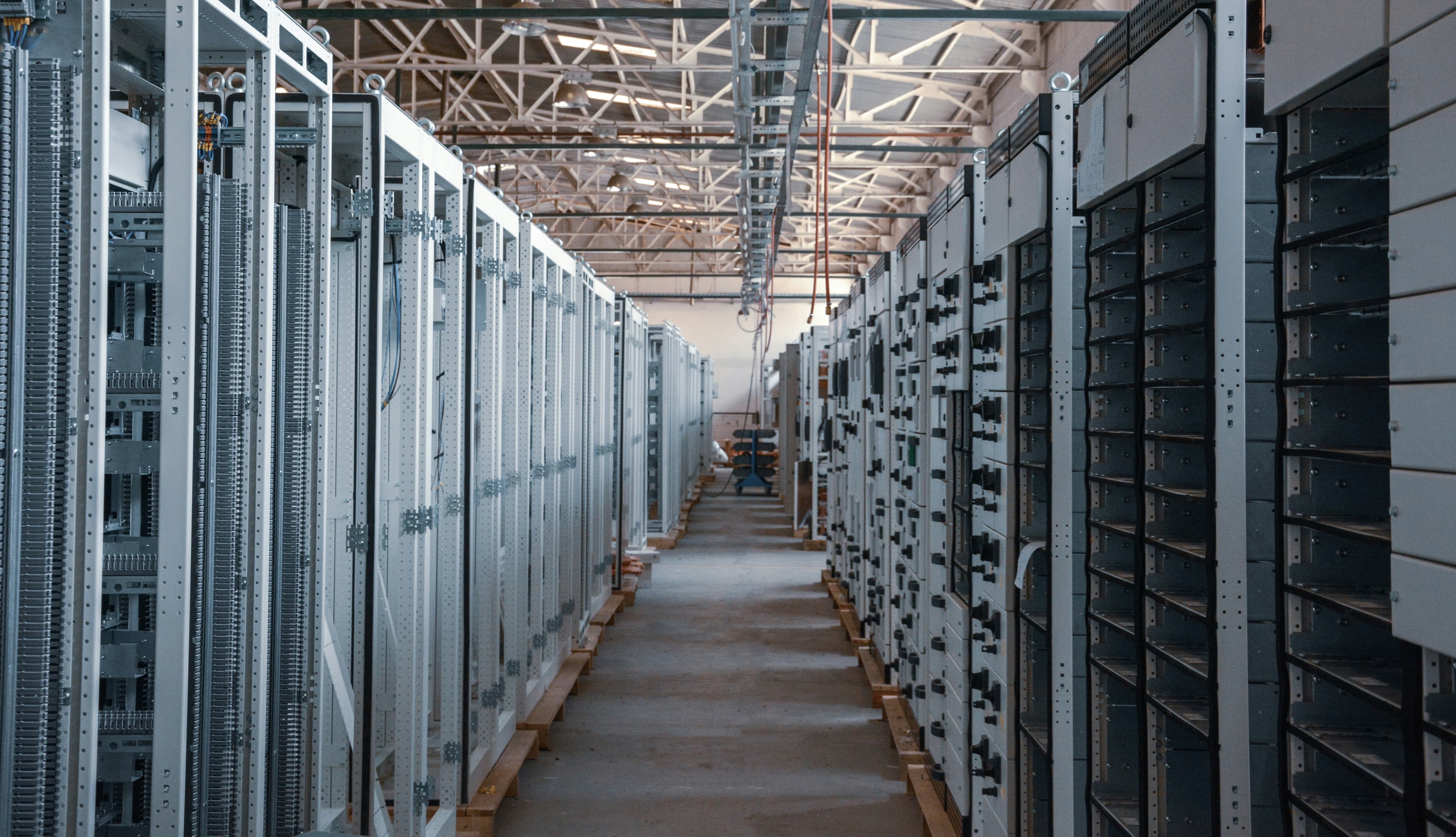
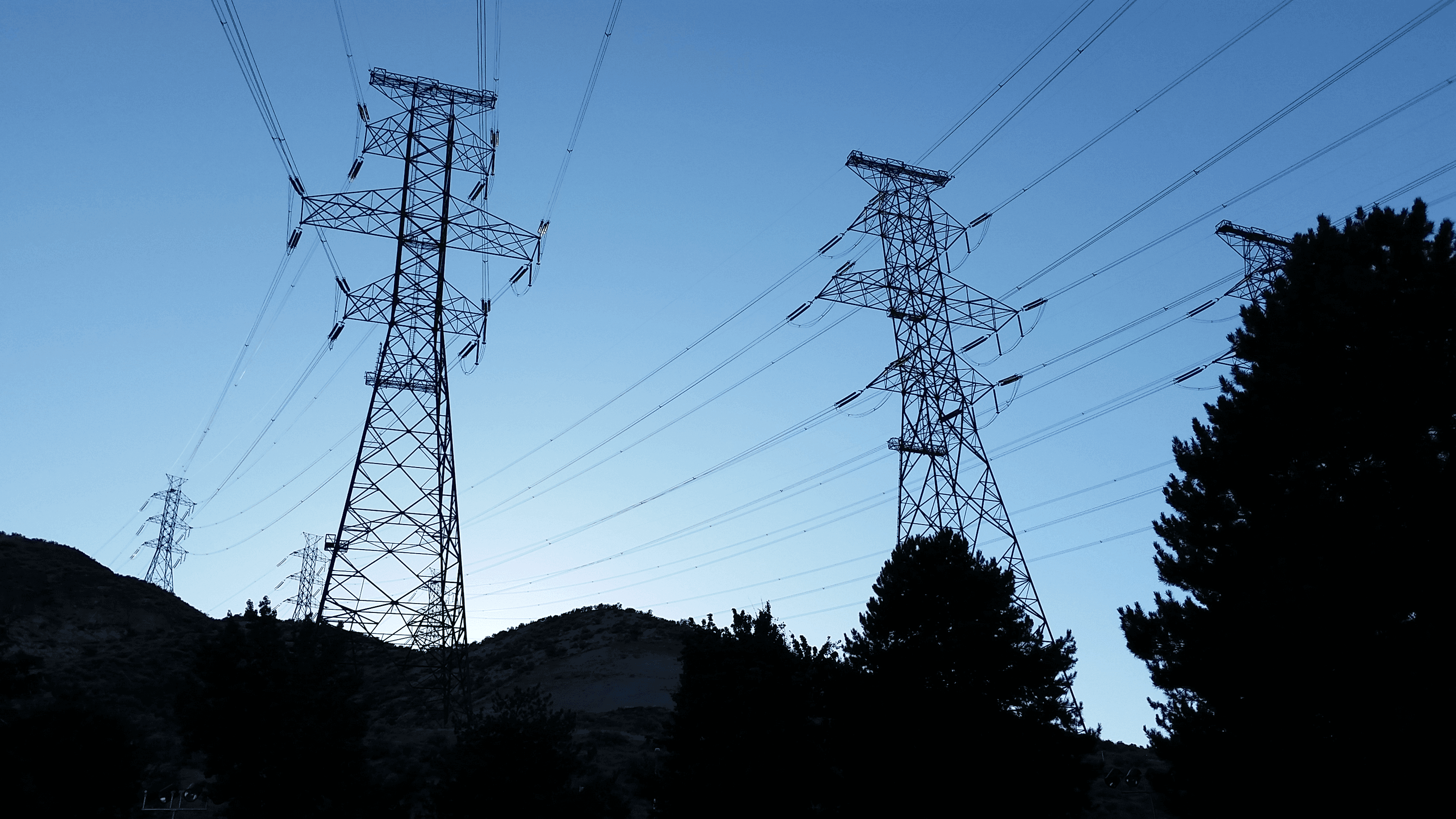
Power is now the binding constraint on AI buildout. Training a frontier model and serving inference at scale both require sustained, dispatchable electricity in volumes that already stress grids in Northern Virginia, Dublin, and Singapore. A spike in crude pulls natural gas with it in many regional markets, and gas is the marginal generator setting wholesale power prices across much of the United States.
Key facts
- 01Reuters argues investors are running out of time to position portfolios for a genuine oil supply shock.
- 02The warning lands as AI data center power demand is already straining grids in the US, Ireland, and Singapore.
- 03Hyperscalers including Microsoft, Google, and Amazon have signed multi-year nuclear and gas deals to hedge energy exposure.
Hyperscalers have spent the last 18 months trying to hedge exactly this risk. Microsoft signed a deal to restart Three Mile Island. Google contracted with Kairos Power for small modular reactors. Amazon bought a nuclear-adjacent campus in Pennsylvania. Each move is a bet that grid power, priced off fossil fuels, becomes too volatile to underwrite a 10-year data center lease.
The Reuters thesis matters because the AI capex cycle is being financed against assumed power costs. Oracle, CoreWeave, and the neoclouds have raised debt and signed multi-year customer contracts on the assumption that input costs stay roughly where they are. An oil shock that drags power prices up by even a meaningful single-digit percentage would compress the gross margins those deals depend on.
The exposure is not symmetric across the stack. Nvidia sells GPUs once and books the revenue; rising power costs are someone else's problem. The hyperscalers eat the cost on their own first-party AI workloads but can pass some of it through to enterprise customers. The neoclouds — leveraged, contracted, and thin-margin — have the least room to absorb a shock without renegotiating with customers or lenders.
There is also a second-order effect on the AI chip supply chain. Taiwan, Korea, and Japan import nearly all of their crude. A sustained oil spike would tighten margins at TSMC, Samsung, and SK Hynix at exactly the moment Nvidia, AMD, and the hyperscalers are demanding more wafer starts and more high-bandwidth memory. Every node in the chain runs hotter on energy than the last.
Skeptics of the Reuters framing would point out that oil-shock warnings have been a recurring feature of market commentary for two years without a sustained price break to the upside. OPEC+ has spare capacity, US shale remains responsive, and demand growth in China has softened. The column is a probability argument, not a forecast, and the base case in most sell-side energy desks remains range-bound crude into next year.
The harder question is whether the AI trade has any real hedge against an energy-driven repricing. The companies most insulated — Nvidia, the chip designers, the model labs that don't own infrastructure — are also the ones trading at the richest multiples. The companies doing the actual physical buildout, where an oil shock would bite first, are increasingly the ones carrying the debt. That is not a balance the market has priced in, and Reuters is right that the window to think about it is narrowing.

Working on something we should cover, or seeing a story we missed? Send leads, documents, or feedback to hello@aichatdaily.com. For sensitive tips, see our secure tips page for Signal and PGP options.
Spotted an error? Email hello@aichatdaily.com with the URL and the issue, or read our full corrections policy.