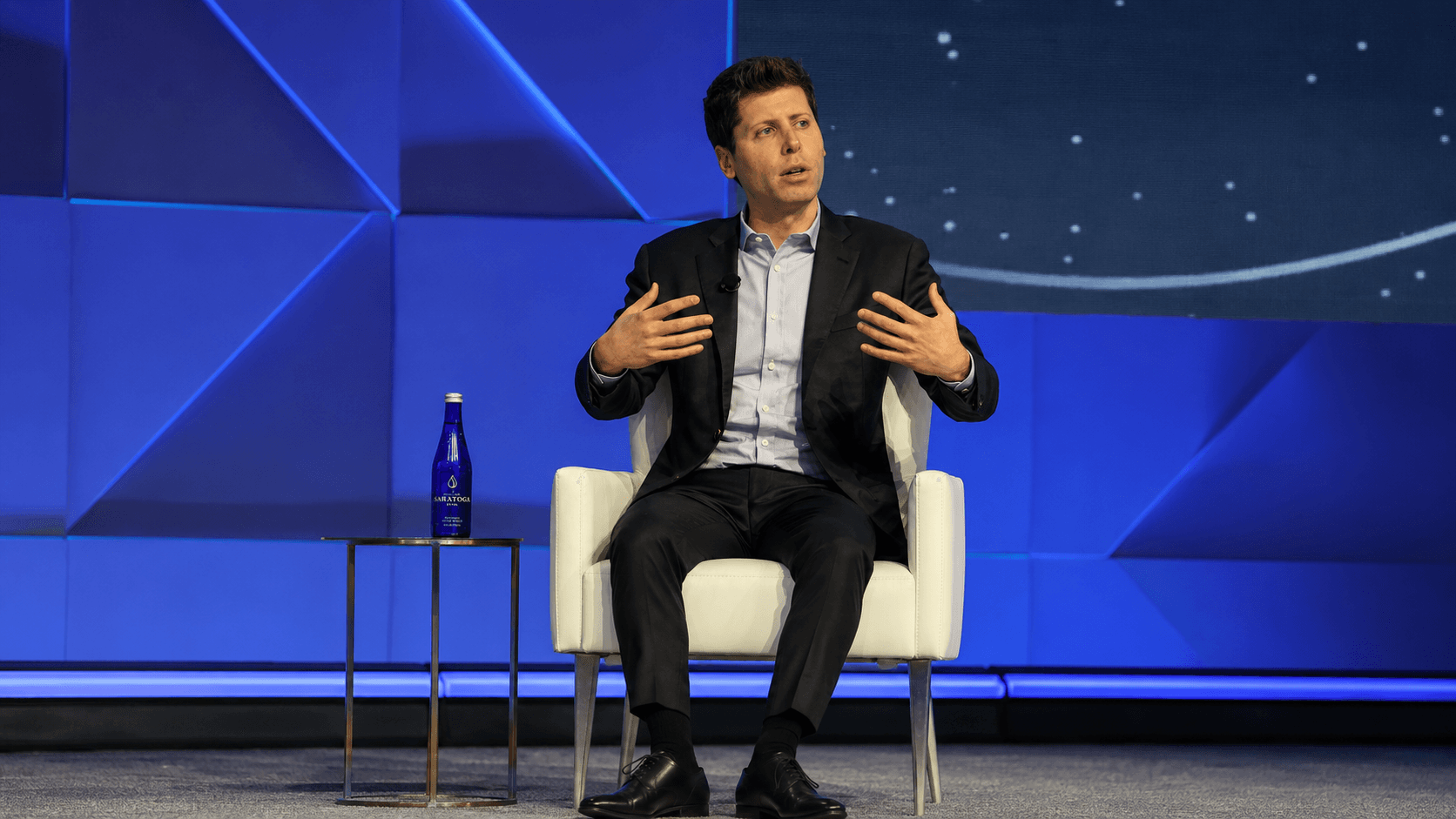
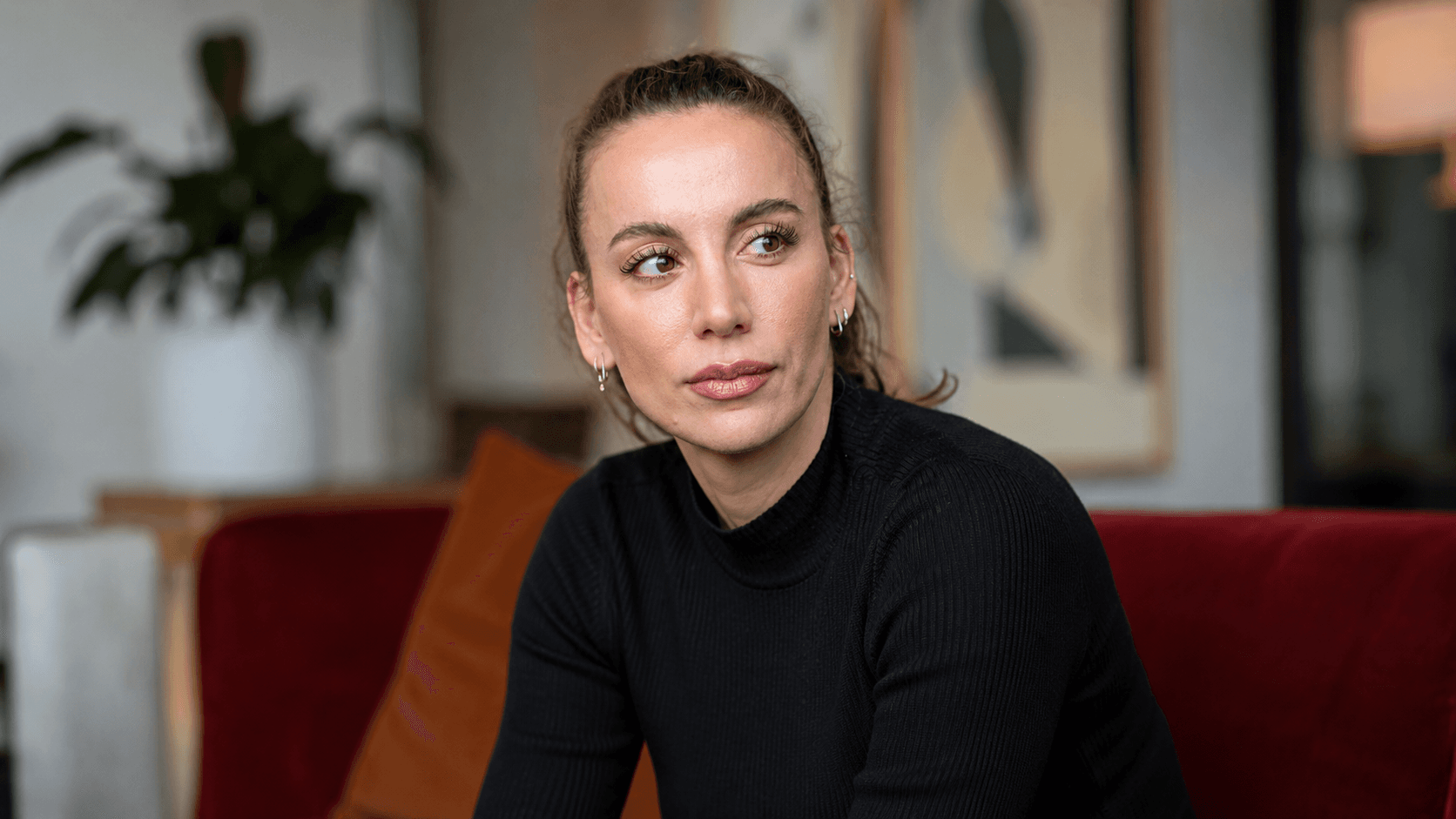
Court-ordered discovery in Elon Musk's lawsuit against Sam Altman has cracked open the November 2023 OpenAI boardroom revolt, surfacing a 78-message text exchange between Altman and Mira Murati, the chief technology officer who was briefly installed as interim chief executive after the board fired him.
The subpoenaed messages, alongside emails from across OpenAI, give the most granular look yet at how Altman fought his way back into the company he co-founded — material the participants would almost certainly never have released voluntarily. It's probably not flattering or exciting or happy for like, Sam Altman and everyone else involved, so they wouldn't really publish it otherwise, Jaeden Schafer said on the AI Chat Daily podcast.
According to the disclosures, four OpenAI board members signed the document terminating Altman and named Murati as interim CEO. Co-founder and then-chief scientist Ilya Sutskever delivered a 52-page memo to the board laying out the case for removal, a document that was then relayed back to Altman through Murati as she shuttled between board sessions and her ousted boss.
Key facts
- 01Discovery in Elon Musk's suit against Sam Altman has surfaced a 78-message text chain between Altman and then-interim CEO Mira Murati during the November 2023 ouster.
- 02Four OpenAI board members signed the document terminating Altman and installed Murati as interim CEO before he was reinstated days later.
- 03Co-founder Ilya Sutskever delivered a 52-page memo to the board arguing Altman should be removed; the memo was funneled back to Altman via Murati.
- 04Greg Brockman, the only senior figure who stayed, now holds an OpenAI stake estimated at roughly $30 billion.
The texts depict an Altman in recovery mode, repeatedly probing Murati for intelligence on who was in the room and what could still be salvaged. A lot of them are Sam Altman saying, like, is there any way to fix this? Is there any way to recover? Who's on the call right now? Who are you talking to? Schafer said, describing the cadence of the thread.
Altman pushed hard to pull Microsoft chief executive Satya Nadella into the discussions to, in his framing, fix things. Microsoft, OpenAI's largest backer, was simultaneously recruiting OpenAI staff in the open, and Altman floated scenarios in which a Microsoft acquisition might deliver the governance the board said it wanted — while making clear that if no deal materialised, he would run Microsoft's AI effort as a direct competitor.
The board's underlying complaint, according to the exchanges, traced back to long-running governance concerns about Altman's candor. Murati and others had flagged that Altman had a pattern of not sharing everything with directors, but once installed as interim CEO — a job Schafer says she did not want — the board could not publicly defend its own decision, and Altman returned within days.
The fallout has reshaped OpenAI's senior ranks. Sutskever has since left to launch Safe Superintelligence, and Murati exited to start her own lab, Thinking Machines. Of the original inner circle, only president Greg Brockman remains, and Schafer noted that "apparently his stake in OpenAI is worth about 30 billion dollars today."
For Musk, whose suit alleges OpenAI abandoned its founding non-profit mission, the discovery haul is ammunition: it puts on the record how close the company came to collapsing into Microsoft and how thinly the board's governance case held together under pressure. For Altman, it is a reminder that the messages he sent in the worst week of his career are now exhibits, and that the next phase of the litigation is likely to surface more of them.

Working on something we should cover, or seeing a story we missed? Send leads, documents, or feedback to hello@aichatdaily.com. For sensitive tips, see our secure tips page for Signal and PGP options.
Spotted an error? Email hello@aichatdaily.com with the URL and the issue, or read our full corrections policy.