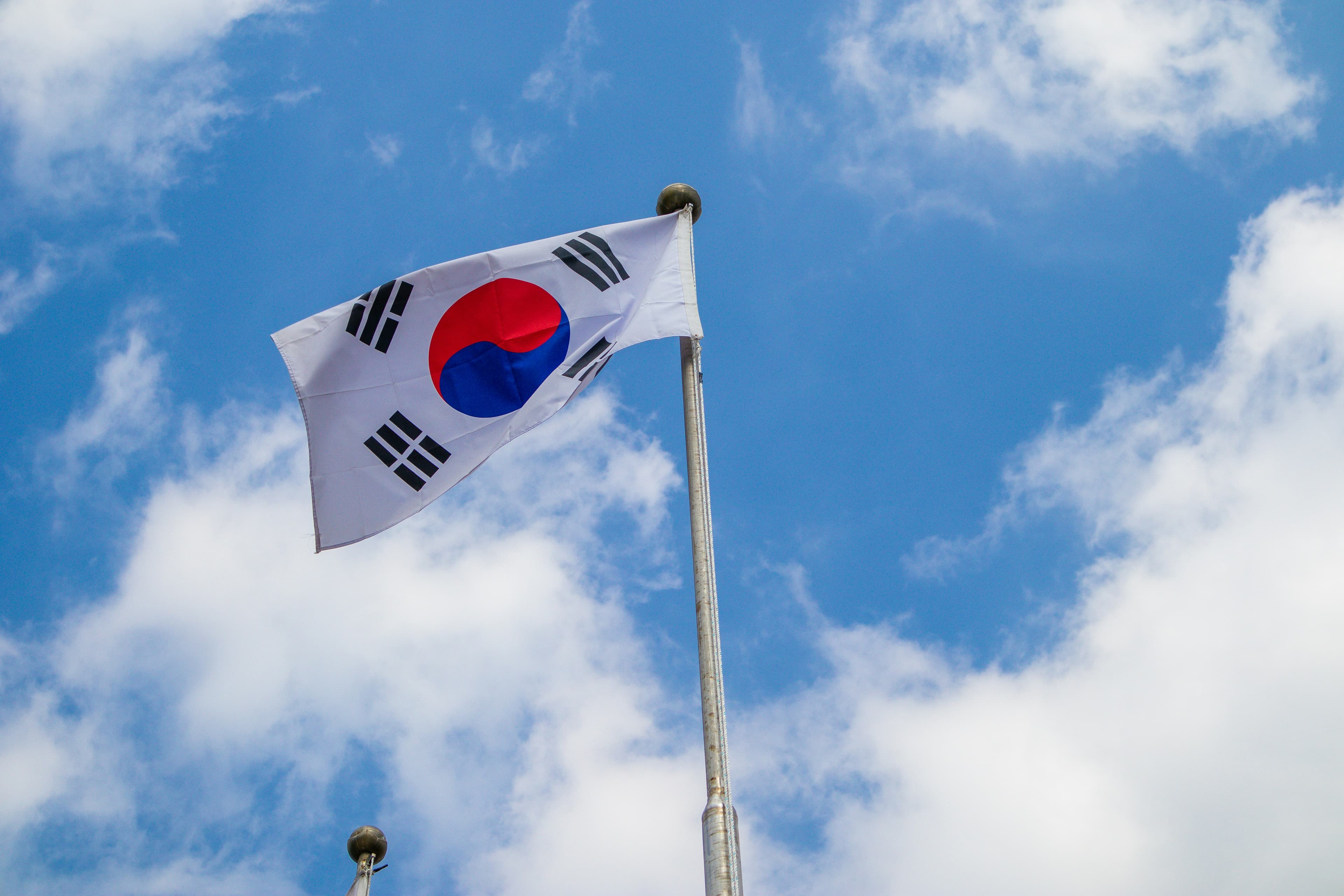
South Korea forecasts its economy will expand 2.6% in 2026, up from 2.2% in 2025, marking the fastest annual growth rate in five years. The upgrade is tied almost entirely to one variable: surging global demand for AI memory chips. Seoul is now the clearest sovereign-scale beneficiary of the AI infrastructure buildout underway across the United States, China, and the Middle East.
The 40-basis-point acceleration from 2.2% to 2.6% may sound modest, but for a mature export economy the size of South Korea's it represents tens of billions of dollars in incremental output. It also breaks a run of tepid growth years that had raised structural concerns about the country's dependence on cyclical semiconductor demand.
This time, the semiconductor cycle is not cyclical in the usual sense. High-bandwidth memory — the specialized DRAM stacked next to Nvidia, AMD, and hyperscaler AI accelerators — is sold out through 2026 at both major Korean suppliers, and pricing has held firm rather than following the historical boom-and-bust pattern of commodity memory.
Key facts
- 01South Korea forecasts 2.6% GDP growth in 2026, up from 2.2% in 2025.
- 02The projected 2.6% rate would be the country's fastest expansion in five years.
- 03Government attributes the upgraded outlook to surging AI chip demand.
- 04Memory semiconductors — HBM in particular — are the export engine behind the forecast.
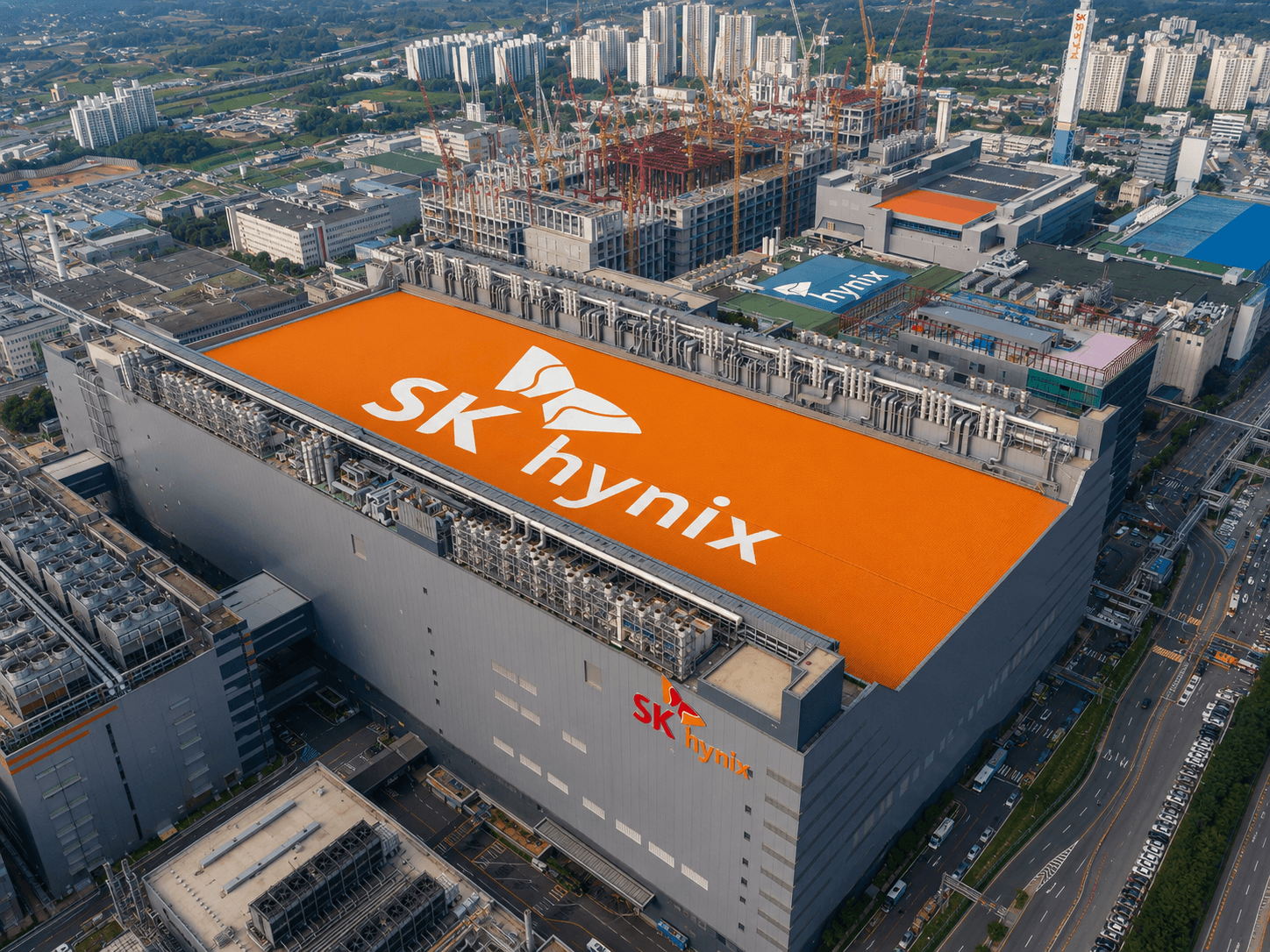
Samsung Electronics and SK Hynix together control the overwhelming majority of global HBM supply. SK Hynix has been the primary HBM3E supplier to Nvidia's H200 and Blackwell accelerators, while Samsung has been working to qualify its own HBM3E into Nvidia's roadmap. Both companies are expanding fabrication capacity to meet orders that extend well into 2027.
The government's 2026 forecast implicitly assumes that AI capex from US hyperscalers — Meta's $50B-plus Hyperion buildout, Microsoft's ongoing OpenAI-linked infrastructure spend, Amazon and Google's Anthropic and internal deployments — continues at current pace or accelerates. Every one of those data centers is a purchase order that eventually lands on a Korean fab.
Exports are the transmission mechanism. Semiconductors have historically accounted for roughly a fifth of South Korean exports, and the AI-driven mix shift toward higher-margin HBM and advanced logic packaging lifts both volume and average selling price simultaneously. That combination is what pushes headline GDP.
Domestic consumption and construction remain the softer parts of the outlook. The 2.6% figure leans heavily on the external sector, which means a slowdown in AI infrastructure spending — whether from a US recession, tighter export controls, or a shift in accelerator design that reduces HBM content per chip — would compress the number quickly.
The forecast also arrives against a policy backdrop where Washington's chip export controls on China continue to reshape supply routes. Korean memory makers have retained more flexibility than US logic peers to sell into Chinese customers, but that latitude is not guaranteed to persist through 2026.
Skeptics will note that sovereign growth forecasts that hinge on a single sector aging well are historically unreliable. If HBM pricing corrects — either from oversupply as new fabs come online or from a design pivot at the accelerator layer — the 2.6% projection is the first casualty. The consensus among memory analysts is that pricing holds through at least mid-2026, but that consensus has been wrong before.
South Korea's forecast is the clearest read yet on how AI infrastructure spending translates into national economic output outside the United States. If the numbers hold, expect Taiwan's own 2026 projections — driven by TSMC's advanced packaging and logic — to follow a similar upward path, and expect capital to keep flowing into Korean and Taiwanese fab expansions as the AI buildout's supply-side bottleneck becomes the investment story of the next 24 months.

Working on something we should cover, or seeing a story we missed? Send leads, documents, or feedback to hello@aichatdaily.com. For sensitive tips, see our secure tips page for Signal and PGP options.
Spotted an error? Email hello@aichatdaily.com with the URL and the issue, or read our full corrections policy.