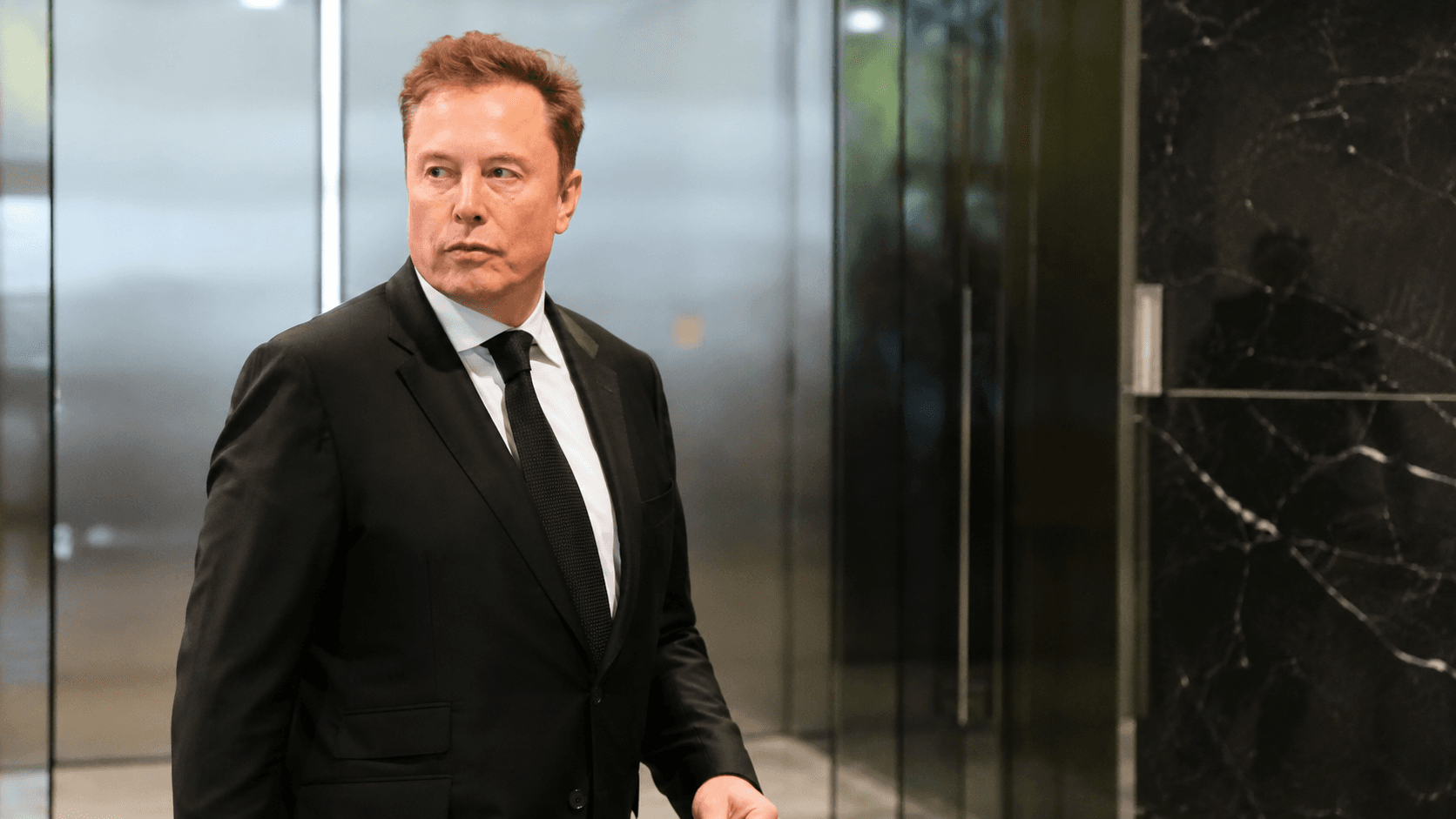
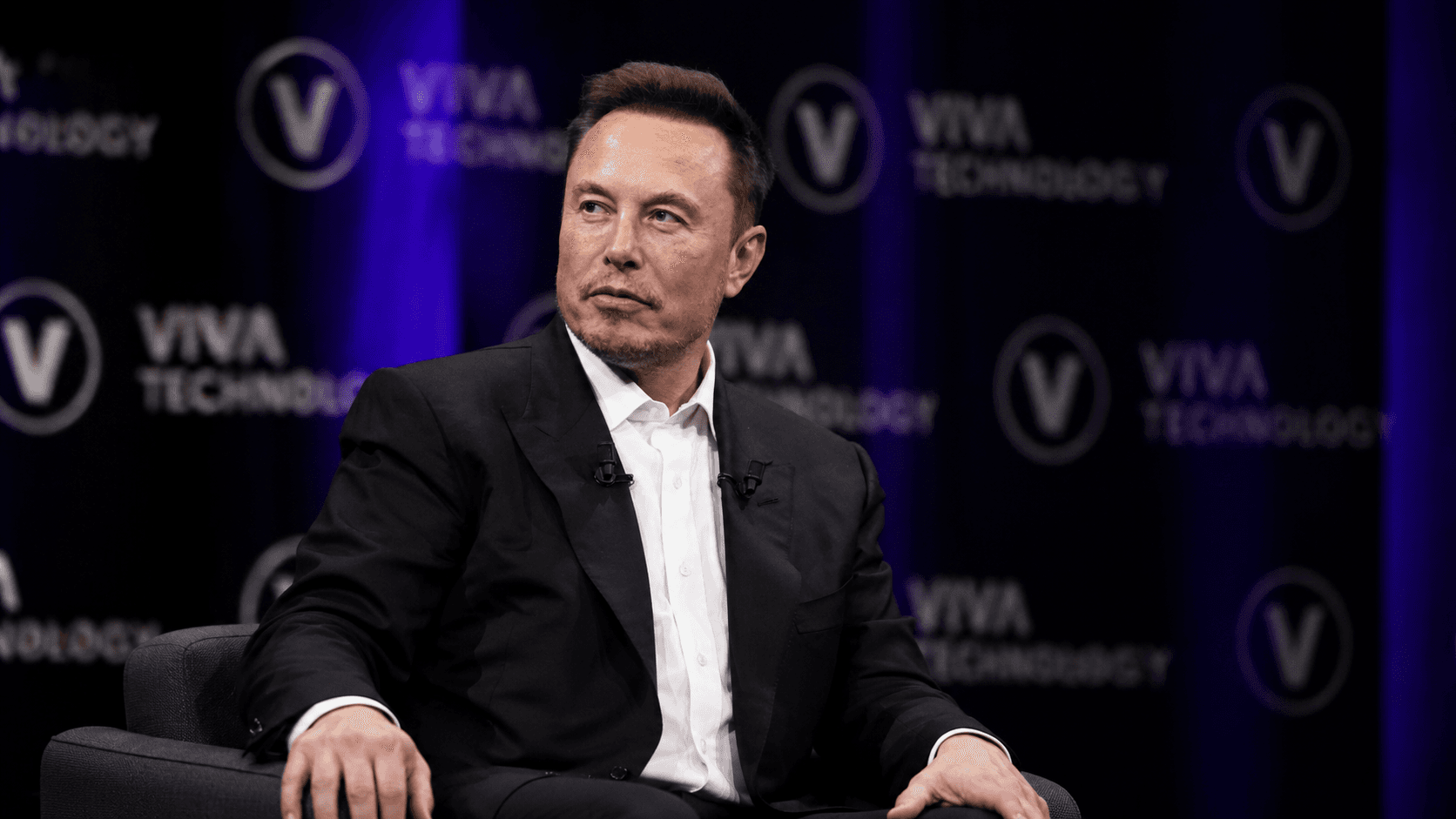
Elon Musk attempted to settle his lawsuit against OpenAI before the Oakland trial began, according to a court filing reported by Reuters. The disclosure recasts the public posture of a fight Musk has framed as existential, suggesting he was willing to walk away on terms before letting a jury decide.
The filing surfaced as the case moved through its opening week in federal court in Oakland. Musk's complaint targets OpenAI and chief executive Sam Altman over the company's pivot from its original nonprofit mission to a for-profit structure that now anchors one of the most valuable private companies in technology.
Settlement overtures before trial are routine in commercial litigation, but the optics here are unusual. Musk has spent two years portraying the suit as a matter of principle about OpenAI's founding charter, not a dispute amenable to a number on a piece of paper.
Key facts
- 01A court filing shows Elon Musk sought to settle his lawsuit against OpenAI before the Oakland trial began.
- 02The case pits Musk against OpenAI and CEO Sam Altman over the company's shift from nonprofit roots to for-profit structure.
- 03The disclosure follows week one of the trial, in which Musk acknowledged xAI distills OpenAI's models.
The Oakland trial is the culmination of a feud that began when Musk left OpenAI's board in 2018 and escalated sharply after the launch of ChatGPT. Musk has since built xAI into a direct competitor, while continuing to argue in court that OpenAI betrayed the nonprofit terms under which he co-founded and funded it.
Week one of the trial produced its own headline moment, when Musk acknowledged under questioning that xAI distills OpenAI's models, a practice we covered earlier this week. That admission complicates Musk's narrative that OpenAI's commercial turn is uniquely harmful, given that his own competing lab leans on OpenAI outputs.
The settlement filing does not disclose the terms Musk proposed or the point at which OpenAI rejected them. What it establishes is that the two sides talked, and that the Oakland courtroom is the venue Musk landed in only after those talks failed.
OpenAI has consistently argued in pretrial briefs that Musk's complaint is a competitive maneuver dressed up as a governance dispute. The company has pointed to xAI's existence, its $200 billion-plus valuation trajectory, and Musk's public attacks on Altman as evidence that the suit serves a business purpose, not a charitable one.
For Altman, who is testifying personally, the trial is the most exposed legal moment of his tenure. OpenAI's restructuring into a capped-profit entity, and its subsequent moves toward a more conventional for-profit posture, sit at the heart of Musk's claims, and any adverse finding could ripple through the company's commercial agreements with Microsoft and others.
The skeptical read on Musk's settlement attempt is that it weakens his case at trial. Plaintiffs who try the moral-crusade frame in court tend not to negotiate dollar figures in the run-up. Defense lawyers will look for ways to put that contradiction in front of the jury.
Musk's lawyers can credibly counter that exploring settlement is standard practice and proves nothing about the merits. Federal judges routinely push parties toward resolution before trial, and a refusal to engage would itself draw criticism. The filing, on its own, does not say who initiated the talks.
What it does is shift the story. A trial that has been narrated as Musk-versus-Altman ideological combat now carries a footnote showing both sides were, at some point, prepared to put a price on the dispute. Whatever the jury concludes about OpenAI's nonprofit-to-for-profit arc, the public version of Musk's grievance is harder to maintain once the settlement overture is on the docket.

Working on something we should cover, or seeing a story we missed? Send leads, documents, or feedback to hello@aichatdaily.com. For sensitive tips, see our secure tips page for Signal and PGP options.
Spotted an error? Email hello@aichatdaily.com with the URL and the issue, or read our full corrections policy.